Sydney, Feb 4, 2026, 17:32 AEDT — After-hours
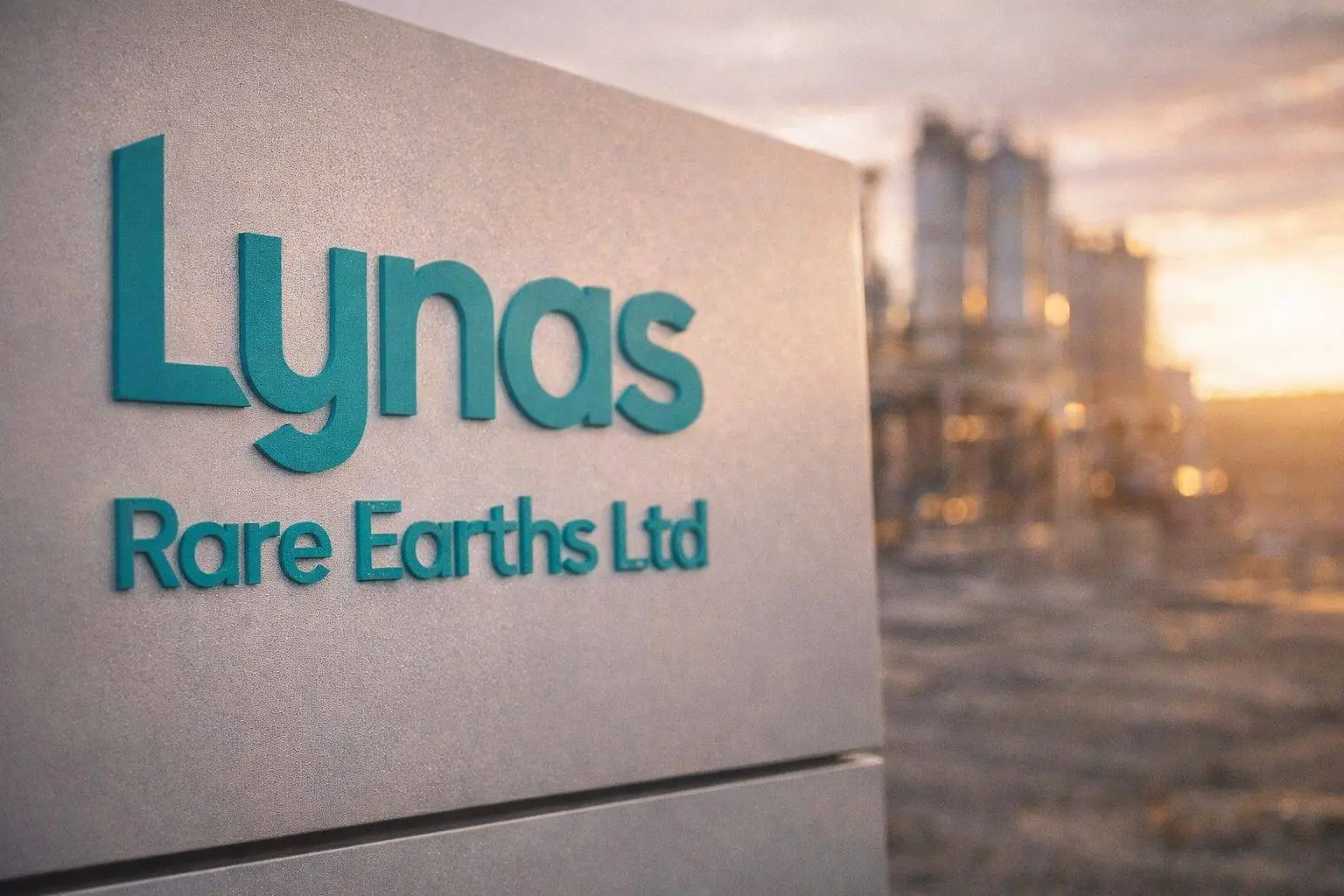
Lynas Rare Earths shares climbed roughly 5% on Wednesday, closing at A$16.01. The rare-earth miner ranked among the top gainers on the Australian market that day. Intelligent Investor
The move follows Madeleine King’s hint at a potential government-backed “price floor” for critical minerals — in effect, a minimum price — aimed at attracting investment in new mines and processing plants. “We will work to make sure Export Finance Australia has the right financial tools to be able to introduce price floors,” King said in Washington. Department of Industry, Science and Resour…
Rare earths, a key group within critical minerals, power everything from consumer gadgets to sophisticated defence gear. When governments guarantee a minimum price, it cuts revenue uncertainty for miners, unlocking funds for projects that often stall in weak markets.
The momentum is building in Washington, D.C. Doug Burgum revealed that around 30 countries are interested in joining a U.S.-led alliance to trade critical minerals outside China’s supply chain, with a “price floor for minerals” under discussion. “We’re free market folks, we don’t like messing with markets,” Burgum said, noting that dominant suppliers can still crush prices by flooding the market. Reuters
In Sydney trading, the rally gained momentum. Lynas surged up to 6.9% early on, Iluka Resources Ltd climbed as much as 5.2%, Arafura Rare Earths Ltd added 6.3%, and Sunrise Energy Metals Ltd jumped 10% in morning deals, according to a report. The Edge Malaysia
Lynas, based in Perth, extracts rare earths at Mt Weld and carries out processing in Malaysia, with additional operations in Kalgoorlie, according to its company profile. Reuters
A price floor isn’t the same as a subsidy cheque. Think of it as a backstop: if market prices drop below a certain threshold, the support system kicks in to boost revenue or back contracts, allowing lenders and customers to make longer-term bets.
Yet investors remain focused on the headline, not the final policy. The crucial details — which minerals qualify, how the “floor” is determined, and its duration — will ultimately decide if the plan genuinely alters cashflows for Lynas or mostly supports the development of new, higher-cost projects.
There’s a risk on the flip side. Should Beijing maintain high supply and low prices, governments might get pushed to boost guarantees simply to keep projects afloat, which could spark political headaches. Meanwhile, manufacturers may push back against rising input costs, trapping the policy in endless talks and official statements.
With markets closed, all eyes turn to Washington’s critical minerals talks set for Wednesday. The outcome will be key before the Australian session kicks off Thursday, Feb. 5.