- Futures Tumble: U.S. stock index futures fell on Tuesday, with Dow E-minis down ~0.45%, S&P 500 futures ~0.74%, and Nasdaq 100 futures ~0.97%reuters.com. Investors grew cautious ahead of fresh U.S.-China trade news and Fed commentary.
- Global Slide: Asian and European markets were lower. Japan’s Nikkei tumbled ~2.6% and Hong Kong’s Hang Seng ~1.7%reuters.com, while Europe’s STOXX 600 fell ~0.7%reuters.com. Tech shares led the weakness overseas amid lingering “Trade War 2.0” angstreuters.com.
- Tech vs. Energy: After Friday’s sharp tech sell-off, Monday’s rally saw chipmakers surge – Broadcom jumped ~10% on an OpenAI partnershipreuters.com. The Nasdaq gained ~2.2% and S&P ~1.6% on Mondayreuters.com. But analysts warn of volatility: CFRA’s Sam Stovall noted “AI continues to be the momentum driver” even as U.S.-China friction persistsreuters.com. Energy stocks lagged, reflecting weaker oil prices; Reuters observes tech was the week’s top performer while energy saw steep lossesreuters.com. Financials are now in focus as big banks (JPMorgan, Goldman, Citi, Wells Fargo) begin reporting earningsreuters.com.
- Commodities Diverge: Gold and other safe havens soared. Gold hit fresh all-time highs (~$4,140/oz) on Tuesdayreuters.comreuters.com, supported by safe-haven demand and expectations of Fed easing. In contrast, crude oil slipped (Brent ~$62–63) as OPEC and IEA forecasts pointed to balanced supply/demandreuters.comreuters.com. Notably, rare-earth/mining stocks spiked – e.g. MP Materials (+8.7%), Critical Metals (+35.9%) – as investors bet on supply-chain shocksreuters.com. The dollar firmed against some currencies, putting pressure on exporters and boosting havens like the yen and goldreuters.com.
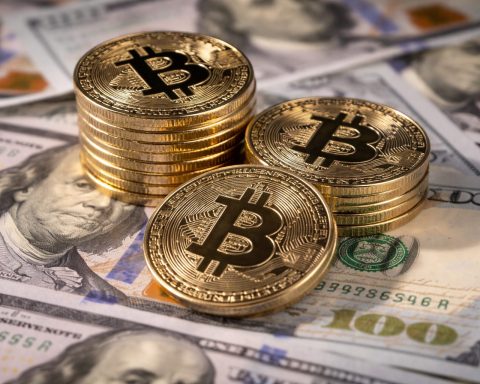
- Crypto Crash: Bitcoin and other cryptos plunged on Friday’s trade shock. Bitcoin fell from a record ~$122,600 on Friday to around $115,000 by Mondayreuters.com (down over 14%). Ether also slid sharply before recovering part of the losses. Traders were aggressively buying protective “puts” on bitcoin and ether, signaling bearish short-term betsreuters.com. Crypto analysts say the sell-off “cleaned out the excessive leverage” but note Bitcoin now faces hurdles to break new highsreuters.com.
- Fed & Outlook: Looking ahead, investors will watch Fed Chair Jerome Powell’s speech for clues on rate cutsreuters.com. Market pricing remains heavily tilted toward a Fed rate cut in October. Analysts expect S&P 500 corporate earnings to grow ~8.8% year-on-year for Q3reuters.com, which may help support valuations. Experts urge caution amid uncertainty. Bill Merz of U.S. Bank Wealth Management notes “anything attached to AI is garnering a significant amount of attention”reuters.com, even as risk appetite cools.
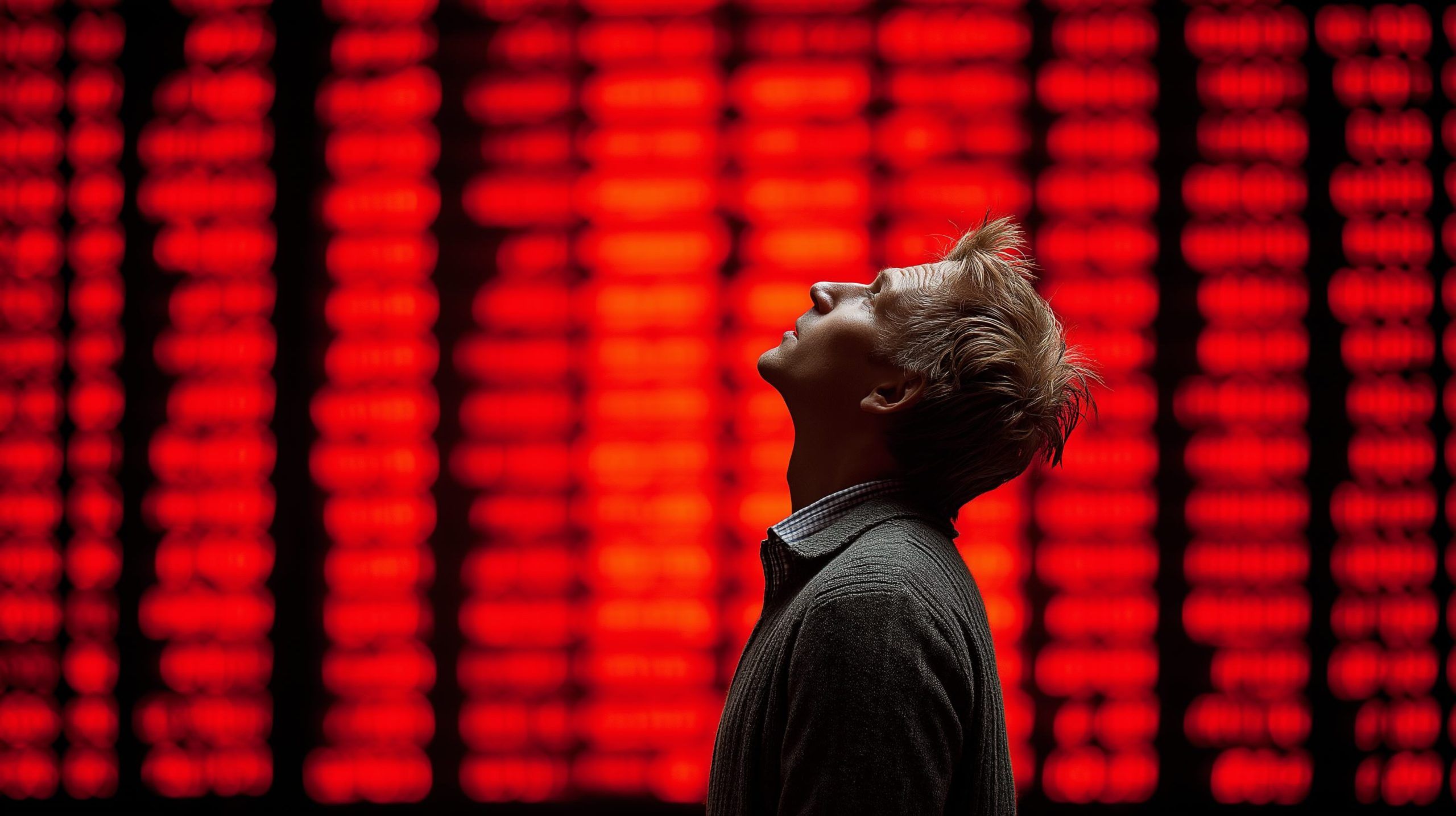
Traders at the New York Stock Exchange monitor screens as futures opened lower on Tuesdayreuters.com. U.S. stock-index futures fell on trade-war jitters despite a tech-fueled rebound on Monday.
U.S. Markets and Fed Watch
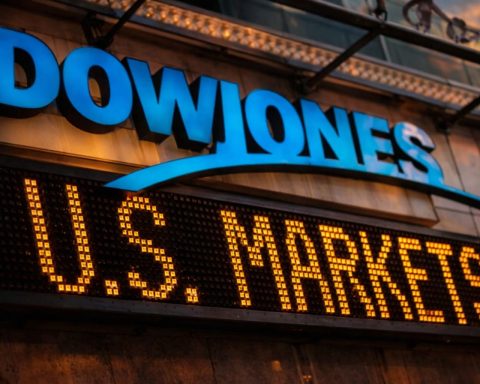
Wall Street futures opened lower on Tuesday as investors fretted over renewed trade tensions with China. U.S. stock-index futures dipped – Dow futures were off about 0.5%, S&P 500 and Nasdaq futures off ~0.7–1.0%reuters.com. This followed a strong Monday rebound: the Nasdaq gained ~2.2% and the S&P 500 ~1.6% as President Trump tweeted a conciliatory message on China (saying “it will all be fine” with Beijing)reuters.com. Analysts say markets now straddle record tech-driven highs and growing uncertainty. CFRA’s Sam Stovall observed, “AI continues to be the momentum driver,” but warned that investors should remain cautious as long as U.S.-China trade frictions lingerreuters.com. Investors are also focused on Federal Reserve signals: Fed Chair Jerome Powell is scheduled to speak later this week, and traders are looking for clues on the timing of expected rate cutsreuters.com.
Global Markets
The selloff rippled overseas. In Europe, shares gave back some of their October gains – the STOXX Europe 600 index was down about 0.7% on Tuesdayreuters.com. Asian markets plunged: Japan’s Nikkei 225 fell roughly 2.6% and Hong Kong’s Hang Seng about 1.7%reuters.com. The declines were led by technology shares, reflecting a broader risk-off mood (news reports flagged fears of an “AI bubble” unwinding as a factorreuters.com). Safe-haven assets rallied: the U.S. 10-year Treasury yield eased to near 4.02%reuters.com, and gold jumped to a new record (~$4,140 per ounce) on Tuesdayreuters.com. Crude oil prices retreated as well (Brent around $62.63) after forecasts showed ample supply, dampening support for oilreuters.comreuters.com.
Sector Trends
Tech stocks drove both the gains and losses this week. Monday’s surge was led by chipmakers: Broadcom jumped nearly 10% after announcing an AI-chip partnership with OpenAIreuters.com, and Nvidia rose on continued enthusiasm for AI. By contrast, energy stocks have lagged as oil wobbles; analysts note that tech has been the strongest S&P sector recently while energy dragged (energy saw the steepest losses of all sectors)reuters.com. Financial stocks are now in the spotlight: JPMorgan Chase, Goldman Sachs, Citigroup and Wells Fargo begin reporting Q3 results this weekreuters.com, which will give clues to how tariffs and economic headwinds are affecting major banks. In Europe, travel and industrial names were mixed – some airlines and auto companies moved higher on hopes of calmer trade talk, while defensive sectors like utilities were mixed. Overall, investors are monitoring whether the tech-fueled rally can sustain itself amid policy uncertainty.
Commodities and Currencies
Risk-off sentiment powered gold and other safe-havens to fresh highs. Gold notched an all-time peak around $4,140 per ounce on Tuesdayreuters.comreuters.com, driven by demand for a hedge against market turmoil and expectations of Fed easing. In contrast, oil prices fell: Brent crude settled near $62.6 after OPEC said 2026 supply and demand would nearly balancereuters.com, and broader trade concerns weighed on fuel demand. Notably, stocks tied to strategic materials surged. Rare-earth and critical-mineral miners jumped – for example, Critical Metals soared ~36% and MP Materials ~9% on Mondayreuters.com – as investors bet on supply disruptions from tightening export rules in China. In currency markets, the U.S. dollar strengthened slightly against risk-linked currencies (the Australian dollar and British pound fell a bitreuters.com), while safe-haven currencies like the yen strengthened on the uncertainty.
Cryptocurrencies
Crypto markets were roiled last Friday by the tariff shock. Bitcoin fell sharply from a Friday peak of about $122,600 to a low around $104,800 by Sunday – a drop of over 14%reuters.com. By Monday, it had recovered to roughly $115,700. Ether, the second-largest cryptocurrency, similarly dipped over 12% at its low before bouncing to ~$4,250 by Mondayreuters.com. In response, traders hit crypto options markets with put-buying hedges. Data showed heavy demand for bitcoin puts (contracts to sell at set prices) into late October, indicating traders are bracing for further dropsreuters.com. Crypto analysts noted that the crash “cleaned out the excessive leverage” in the market, resetting risk levelsreuters.com, but cautioned that Bitcoin will need to overcome new resistance levels to resume its record run. Many altcoins were hit even harder (Dogecoin, Solana, etc. down 50–70% off their peaks), suggesting capital flowed back into safer assets like bitcoinreuters.com.
Expert Views and Outlook
Market strategists are divided on the path forward. Bill Merz of U.S. Bank Wealth Management points out that the relentless focus on AI means “anything attached to AI is garnering a significant amount of attention”reuters.com – a force that has helped power stocks higher despite geopolitical risks. But others urge caution. Niklas Larsen (Bloomberg economist) recently noted that the surge in gold and the Yen signals “a lot of nervousness” about future growth. Jeremy Siegel (Univ. of Pennsylvania) commented that Trump’s tariffs might be temporary and markets could rebound if they are lifted. Economists on average still see the Federal Reserve cutting rates soon to support the economy. According to Refinitiv, analysts expect S&P 500 companies’ Q3 earnings to rise about 8.8% from a year agoreuters.com – which could underpin equity valuations.
Bottom line: U.S. stock futures are down amid a complex mix of strong earnings and growth prospects (especially in AI and tech) versus rising geopolitical risks. As one market analyst put it, the recent volatility is less a reversal of the long rally and more “a correction” after big gainsreuters.com. Investors will watch the upcoming bank earnings and Fed commentary for clues on whether the bull trend remains intact. For now, gold’s record highs and bitcoin’s swings underscore how uncertain markets are feeling as trade and policy uncertainties play out.
Sources: Reuters, CNBC, Bloomberg, TechStock² (ts2.tech), and other market reportsreuters.comreuters.comreuters.comreuters.comreuters.com.