New York, Jan 13, 2026, 12:47 PM EST — Regular session
- Mastercard shares dropped roughly 4.5% by midday, deepening a two-day losing streak
- Investors zeroed in on the fallout from a proposed one-year cap on credit-card interest rates, alongside new warnings issued by JPMorgan
- Traders are eyeing policy updates before Jan. 20 and the next batch of major bank earnings for insights into card spending and credit trends
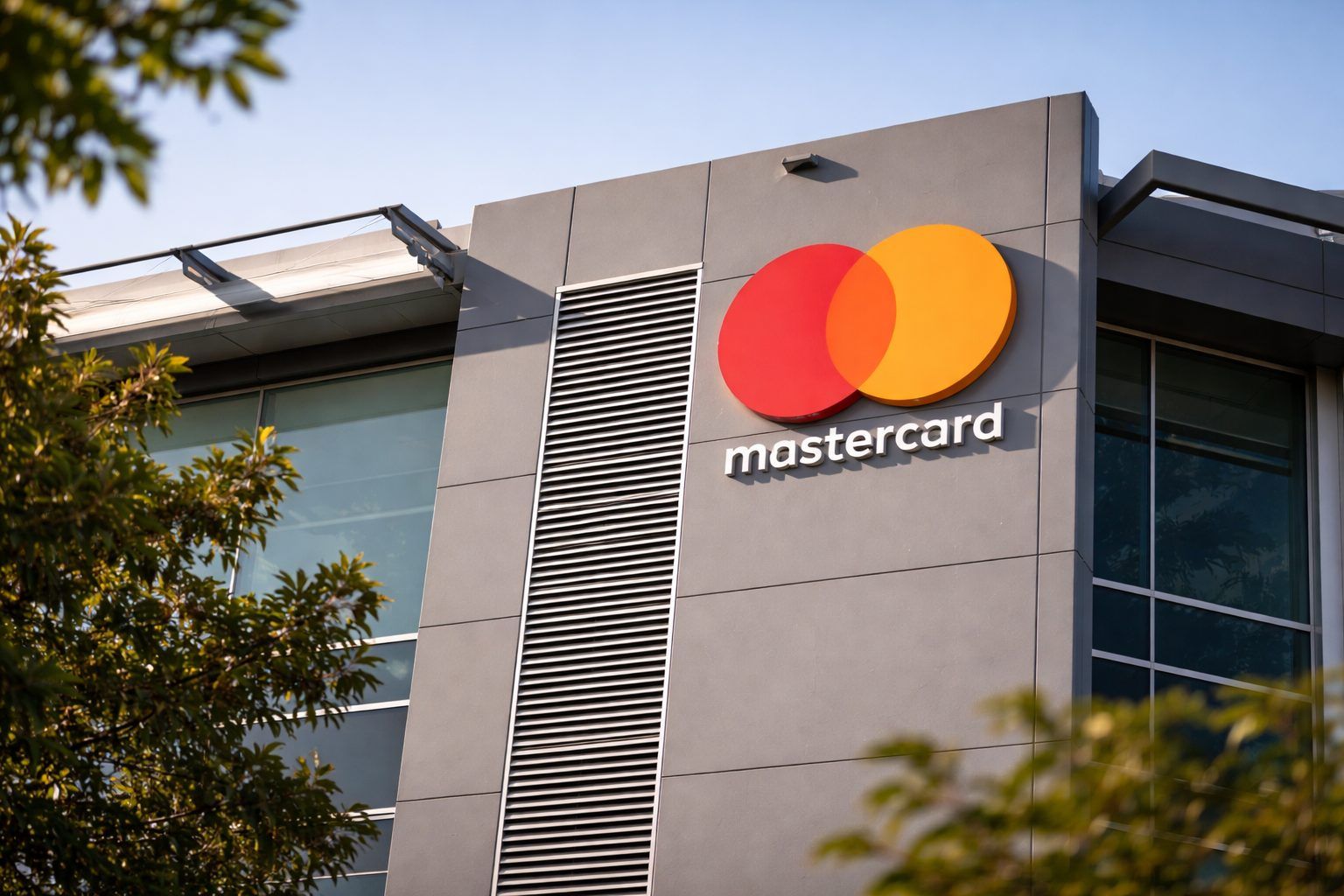
Shares of Mastercard Incorporated slipped roughly 4.5% to $540.94 by midday Tuesday, underperforming the broader market as investors offloaded payment and card-linked stocks for the second day running.
The drop came amid fresh concerns about President Donald Trump’s plan to cap credit-card interest rates at 10%. JPMorgan flagged that such a limit might pressure consumers and tighten credit availability. Visa also fell in early trading. Reuters
This is important now as the market wrestles with pricing in policy risk for a financial sector segment long seen as stable: card spending, rewards economics, and consumer credit trends. Mastercard doesn’t collect interest on card balances, but it earns a share of payment flows, meaning a widespread credit pullback can still dent transaction volumes.
JPMorgan CFO Jeremy Barnum slammed the proposed cap as “very bad for consumers, very bad for the economy,” warning the bank would have to scale back credit availability if it passes. Trump backed cutting card “swipe fees” — the charges merchants pay when customers use cards — adding fresh pressure on the card sector. The Electronic Payments Coalition cautioned that a 10% cap would force most accounts with credit scores below 740 to be closed or restricted. However, a Vanderbilt Policy Accelerator study challenged those industry claims, suggesting a cap could save Americans $100 billion a year. Reuters
Trump proposed a one-year 10% cap on credit-card rates starting Jan. 20, but offered no details on enforcement, Reuters reported Monday. Wall Street analysts doubt it can be implemented without Congressional approval. UBS Global noted it “would take an Act of Congress” amid expected legal challenges to an executive order. The Federal Reserve’s November report, cited by Reuters, puts the average credit-card interest rate at 20.97%. Reuters
Mastercard closed Monday at $566.28, roughly 5.9% shy of its 52-week peak, MarketWatch reports. The stock dropped despite the broader market edging up slightly. MarketWatch
Mastercard announced on Tuesday a partnership with Saudi digital lender STC Bank to boost cross-border transfers via its money-movement platform, “Mastercard Move.” The company is pushing this platform to move beyond its core card payment business. “There is a clear and immediate need for responsive solutions that enable consumers to access fast, secure and reliable payments,” said Onur Kursun, Mastercard’s executive vice president. Mastercard
The policy outlook remains uncertain. If a cap fails to clear Congress, the selloff might seem overblown. On the other hand, a serious effort to slash swipe fees would trigger a tougher, drawn-out battle — with fewer clear boundaries for investors to gauge.
Mastercard’s next big trigger is in Washington: will the White House lay out details for the Jan. 20 rollout? And can lawmakers turn discussions into actual legislation? Traders are also eyeing this week’s bank earnings for clues—especially any changes in card spending, delinquencies, and credit demand. These core factors often outweigh headline news when it comes to payment networks.