New York, Jan 19, 2026, 16:20 EST — Market closed.
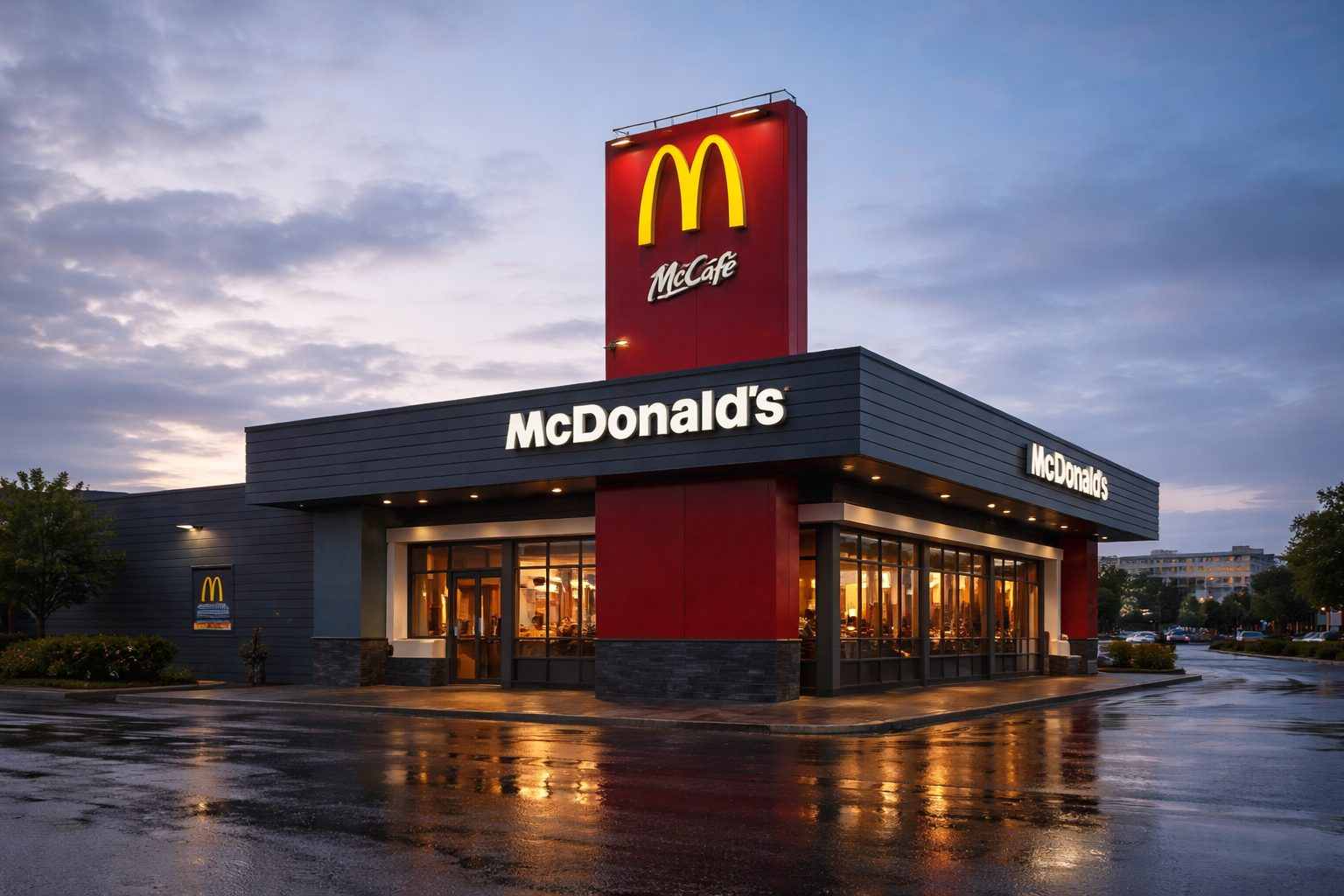
- On Friday, McDonald’s shares ended slightly lower, slipping 0.4% to $307.43.
- A U.S. market holiday means the next price update won’t come until trading resumes Tuesday.
- Trump’s threat to impose tariffs on Europe and McDonald’s upcoming earnings report are the key catalysts in the near term.
Shares of McDonald’s Corp (MCD.N) dipped 0.4% on Friday, closing at $307.43 ahead of Monday’s market holiday.
Markets took a hit after President Donald Trump announced a 10% tariff on imports from Denmark, Norway, Sweden, France, Germany, the Netherlands, Finland, and Britain starting Feb. 1, unless the U.S. can purchase Greenland. That tariff would jump to 25% on June 1 if no agreement is reached. “Hopes that the tariff situation has calmed down for this year have been dashed for now,” said Holger Schmieding, chief economist at Berenberg. Tina Fordham summed it up bluntly: “The U.S.-EU trade war is back on.” Reuters
This hits McDonald’s hard since it moves with the market, not just on how many burgers it sells. A risk-off start Tuesday can drag down Dow components, even the more reliable ones.
Tariffs don’t translate directly into McDonald’s earnings, yet they can reignite inflation worries and shift attention to household spending. When investors anticipate weaker consumer demand, restaurant shares typically take a hit fast.
No cash trading took place Monday, so attention turns to stock index futures—those contracts hinting at Wall Street’s opening direction—and overseas markets. For McDonald’s, this often leads to a volatile start Tuesday and a chaotic first hour of price discovery.
Looking ahead to company news, earnings are next on the horizon. Nasdaq’s calendar currently projects McDonald’s will report on Feb. 9, but that date isn’t set in stone since the company hasn’t officially confirmed it yet. Nasdaq
Investors are zeroing in on comparable sales—those from restaurants open at least a year—and the split between growth driven by price hikes versus customer traffic. Any remarks on labor and food costs will draw intense scrutiny.
Yum Brands, Restaurant Brands International and Wendy’s also influence sentiment within the fast-food sector, particularly around value messaging. McDonald’s leads the way, but it seldom moves without peers making an impact.
The week could still swing the other direction. If trade threats expand or spark retaliation, investors might keep shedding risk and brace for higher costs. Any sign of weaker traffic would also chip away at the value argument.
McDonald’s shares face their next major test Tuesday, Jan. 20, when U.S. markets reopen after the holiday. Investors will be closely tracking whether the Feb. 1 tariff threat actually materializes and how traders are positioning themselves ahead of the upcoming earnings report.