
NEW YORK, June 7, 2026, 10:04 (EDT)
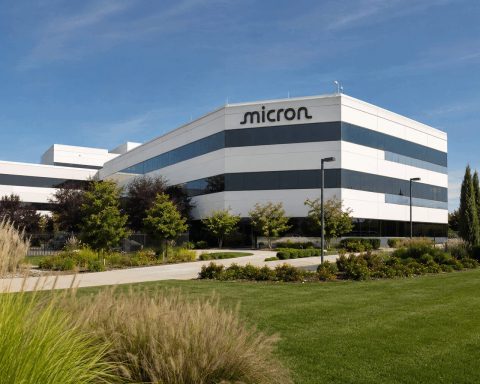
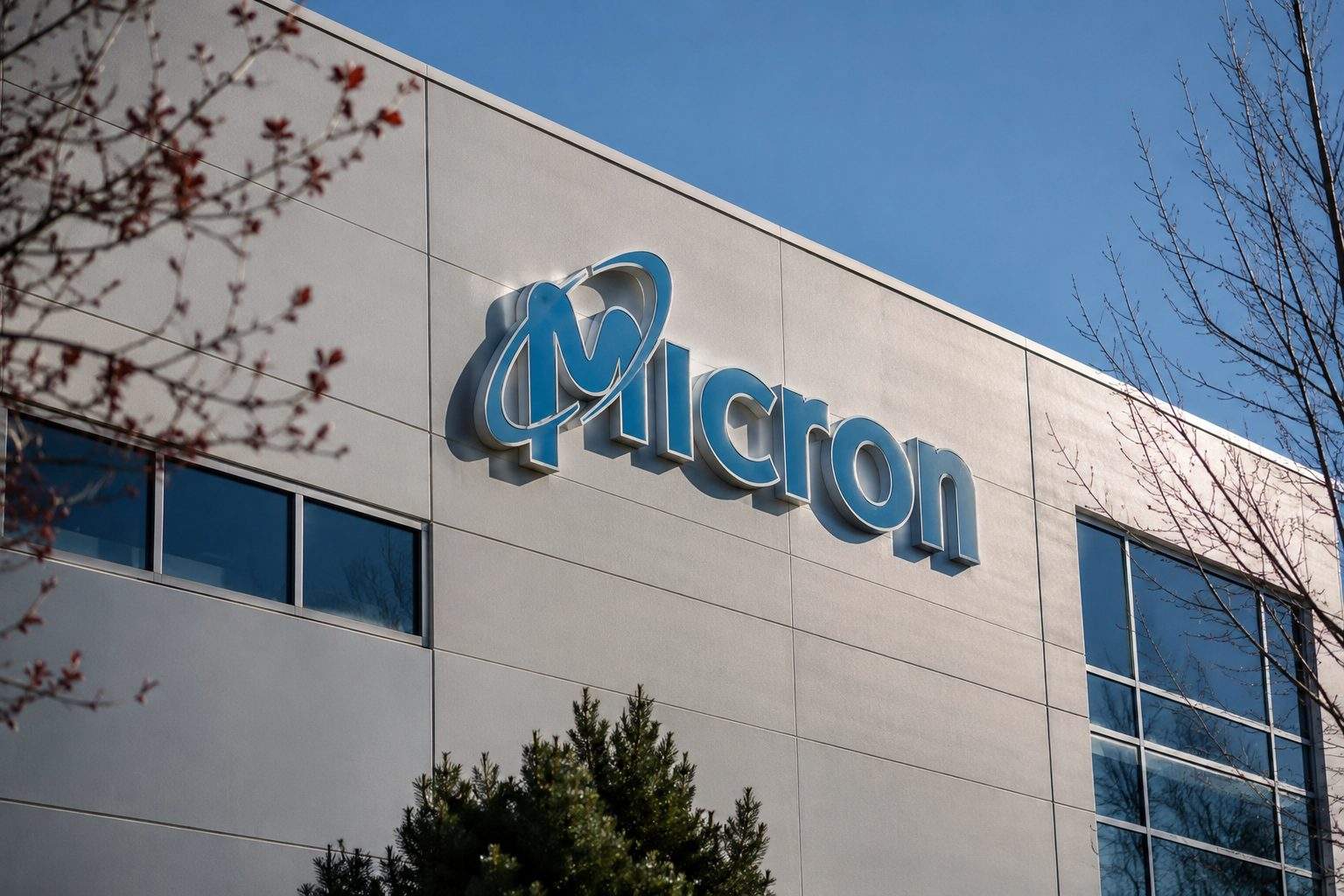
Micron Technology heads into the new week with its AI-memory trade badly dented. The shares closed at $864.01 on Friday, down 13.3%, after peaking at $1,089.29 on Wednesday; because U.S. equity trading is paused for the weekend, that Friday close is the latest market marker.
This matters now because Micron no longer trades like a plain cyclical bet on commodity memory. Reuters reported last week that high-bandwidth memory, or HBM — stacked memory used alongside AI processors so data can move faster — has pulled Micron into specialized, longer-term deals, including parts tied to Nvidia’s coming Vera Rubin platform.
The selling was bigger than Micron. U.S.-traded chipmakers lost about $1.3 trillion in market value on Friday, while the PHLX Semiconductor Index, a basket of major chip shares, fell 10.3% in its worst one-day drop since March 2020. Micron tumbled 13%, wiping out about $150 billion in value; Dennis Dick at Triple D Trading said a dip-buying trade that had worked for months “ended today.” Reuters
Broadcom lit the fuse, but rates gave the selloff more force. Reuters reported that a stronger-than-expected U.S. jobs report pushed investors to brace for a more hawkish Federal Reserve, with the Nasdaq losing 4.18%; Ryan Detrick at Carson Group said “the dam just broke,” while Wells Fargo’s Ohsung Kwon called semiconductors “way overbought” but not “the end of the semi bull market.” Reuters
Micron’s numbers still show why investors had bid the stock so hard. The company reported fiscal second-quarter revenue of $23.86 billion and net income of $13.79 billion under U.S. accounting rules, then guided for fiscal third-quarter revenue of $33.5 billion, plus or minus $750 million; CEO Sanjay Mehrotra said “memory has become a strategic asset” in the AI era. Micron Technology
The jargon matters here. DRAM is short-term working memory used by servers and devices, while NAND is storage that keeps data when power is off; Micron told investors it expected supply-demand conditions for both to remain tight beyond calendar 2026. That is the core of the positive case, and also why valuation can snap when buyers worry demand is being over-counted.
Competitive pressure is not standing still. SK Hynix Chairman Chey Tae-won said this past week the Korean memory group planned to “double the whole capacity” over the next five years, while Counterpoint Research estimated SK Hynix had 58% of the first-quarter HBM market and Samsung and Micron had 21% each. Reuters
The week ahead is thin on scheduled Micron news but heavy on price discovery. The company’s next official set piece is June 24, when it has scheduled a third-quarter financial call at 4:30 p.m. EDT and a post-earnings analyst call at 6 p.m. EDT.
But the downside path is not hard to sketch. Higher rates can compress the value investors put on future tech profits, Broadcom showed how quickly disappointment can spread across AI suppliers, and Micron itself warns that projections on demand, customers, investment and performance may differ materially from actual results.
By Monday, the question is not whether AI still needs memory. It is whether investors want to pay the same price for that scarcity after a two-day semiconductor break.
Related articles: NASDAQ:MU