
TAIPEI, Jan 20, 2026, 21:25 GMT+8
- Micron is set to acquire Powerchip’s P5 fab site in Taiwan for $1.8 billion cash, targeting a ramp-up in DRAM output by the latter half of 2027
- Micron executive Manish Bhatia called the AI-driven memory shortage “unprecedented,” adding that customers are lining up for supplies well into 2026
- Micron’s shares have climbed recently, boosted by insider buying and positive parallels drawn with Nvidia’s 2023 surge.
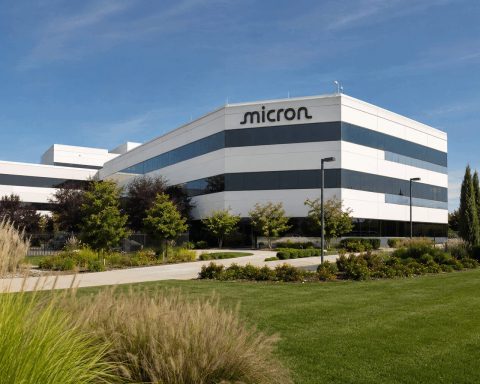
Micron Technology revealed plans to buy Powerchip Semiconductor Manufacturing Corp’s P5 fab in Tongluo, Taiwan, for $1.8 billion in cash. This move underscores Micron’s confidence that demand for dynamic random access memory (DRAM)—used mainly in computers and servers—will keep outstripping supply. Shares of Powerchip surged nearly 10% after the announcement. The acquisition brings about 300,000 square feet of cleanroom space to Micron and aims to increase DRAM wafer production starting in the second half of 2027. The deal should wrap up by Q2 2026, subject to regulatory approval. TrendForce projects the initial capacity phase could account for more than 10% of Micron’s global output by Q4 2026. CEO Sanjay Mehrotra warned the tightness in the market might persist past 2026 as Samsung Electronics and SK Hynix boost output of high-bandwidth memory (HBM) chips designed for AI accelerators.
Business Times, citing Chinese outlet Jiemian, says major smartphone players like Xiaomi, Oppo, and Transsion are scaling back their 2026 shipment goals amid climbing memory prices. The article also references Counterpoint Research, which predicts a 2.1% decline in global smartphone shipments in 2027. “The shortage we are seeing is really unprecedented,” Manish Bhatia, Micron’s executive vice president of operations, told attendees at the launch of a $100 billion DRAM plant near Syracuse, New York. He noted that HBM for AI accelerators is “consuming so much of the available capacity across the industry,” with PC and smartphone makers already jockeying to lock in supply well beyond 2026. The Business Times
Micron is opting to acquire an existing plant instead of holding out for a new fab. The real constraint is cleanroom space, and getting the tools installed, tested, and fully operational demands a lot of time.
HBM and DRAM form the core of computing, even if they don’t grab headlines. AI models rely heavily on shuttling data in and out of memory, and as these models scale up and multiply, memory demand surges—putting pressure on supply across the tech industry.
On Monday, Seeking Alpha contributor James Foord compared Micron’s current run to Nvidia’s 2023 rally, pointing to AI-driven demand squeezing memory markets and stretching the upcycle. He flagged the usual hazards—steep capex and price swings—despite Micron’s stock jumping more than 200% over the past year.
Late last week, a regulatory filing disclosed that Micron director Mark Liu, formerly CEO of Taiwan Semiconductor Manufacturing, bought 23,200 shares worth about $7.8 million. After the news broke, Micron’s stock surged more than 5% on Friday, Investopedia reported.
Barron’s highlighted how the rally has spilled over to other memory and storage names, with Sandisk gaining alongside Micron as investors pour money into the space. The report warned, however, that flash memory prices might drop steeply if new supply arrives or if low-cost Chinese competitors boost their output.
Micron’s Taiwan deal won’t relieve the current supply crunch right away, but it does reveal the company’s expectations about the shortage’s duration. Securing cleanroom space is a straightforward move, typically indicating that management anticipates strong pricing power to continue.
Memory is famously volatile. Should AI investment falter or Samsung, SK Hynix, and Micron boost capacity faster than demand grows, today’s tight market could flip to oversupply—and prices would drop sharply.
Memory still acts as a bottleneck in the chip market, not a commodity. Key indicators to monitor include supply contracts, pricing movements, and whether Micron can close the Taiwan deal on schedule and maintain its ramp-up timeline.
Related articles: NASDAQ:MU