Sydney, January 21, 2026, 17:22 AEDT — The market has closed.
National Australia Bank Limited (ASX:NAB) slipped 1.62% to close at A$41.18 on Wednesday, after bouncing between A$41.03 and A$41.57 during the session. Around 2.94 million shares changed hands, pushing the stock further down from Tuesday’s 0.85% decline. Investing.com
This shift is significant given financials make up a large chunk of Australia’s benchmark index. The ASX financial sector dropped roughly 3.2% in the last three sessions, MarketIndex reported, as a risk-off sentiment capped gains in banks. Market Index
Coming up, several key rate-sensitive updates will hit the market. Australia’s labour force report for December is out Jan. 22, followed by the ABS monthly CPI for December on Jan. 28. The Reserve Bank of Australia meets Feb. 2–3. NAB has its first-quarter trading update scheduled for Feb. 18. Australian Bureau of Statistics
The S&P/ASX 200 dipped 0.37% on Wednesday, dragged down by a slide in financial shares. Rising gold prices lifted materials stocks, AAP reported. CommBank
Part of the pressure stemmed from abroad. “Global investors are taking these threats seriously,” said Jack Ablin, chief investment strategist at Cresset Capital, highlighting how markets have responded to fresh tariff and geopolitical risks. Reuters
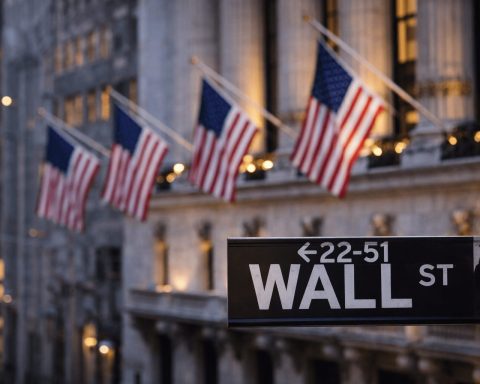
Wall Street led the decline a day earlier, with the S&P 500 tumbling 2.06%—its sharpest one-day drop in three months—after investors digested U.S. tariff threats linked to Greenland. Jamie Cox, managing partner at Harris Financial Group, said it wasn’t clear this marked the beginning of a broader correction. Reuters
Gold surged past $4,800 an ounce, hitting fresh highs as investors flocked to safety. Capital.com analyst Kyle Rodda attributed the rally to “the loss of trust in the U.S.” amid escalating tariff tensions. Reuters
On Tuesday in Sydney, the major banks began to slip. NAB dipped 0.85% to A$41.86. Commonwealth Bank dropped 1.51%, ANZ was down 0.94%, and Westpac shed 0.74%, according to IG Markets. IG
NAB made headlines with its operational changes. According to The Australian, the bank plans to close its Knox data centre amid a shift to cloud services. It has also brought on Mahya Knox, a former AI executive at Commonwealth Bank, as chief AI officer, set to start in April.
NAB investors are now watching to see if upcoming domestic data shifts rate expectations once more. While banks stand to gain from higher lending rates, they also face pressure from fluctuating funding costs and shifts in loan demand as markets adjust their forecasts.
But things can turn quickly. A softer stance on tariffs or a bounce in U.S. stocks might trigger a relief rally in Australian financials. On the other hand, a further rise in global yields or stronger-than-expected local data on jobs or inflation would probably weigh on the sector.