Taipei, Jan 20, 2026, 09:15 (GMT+8) — Regular session
- Just minutes into trading, shares dropped 10%, triggering the daily limit halt.
- Nanya indicated that DRAM prices will rise again in Q1 after a solid rebound in Q4.
- Following the earnings call, a U.S. bank cut its EPS forecast for 2026 but stayed bullish on DDR4 supply shortages.
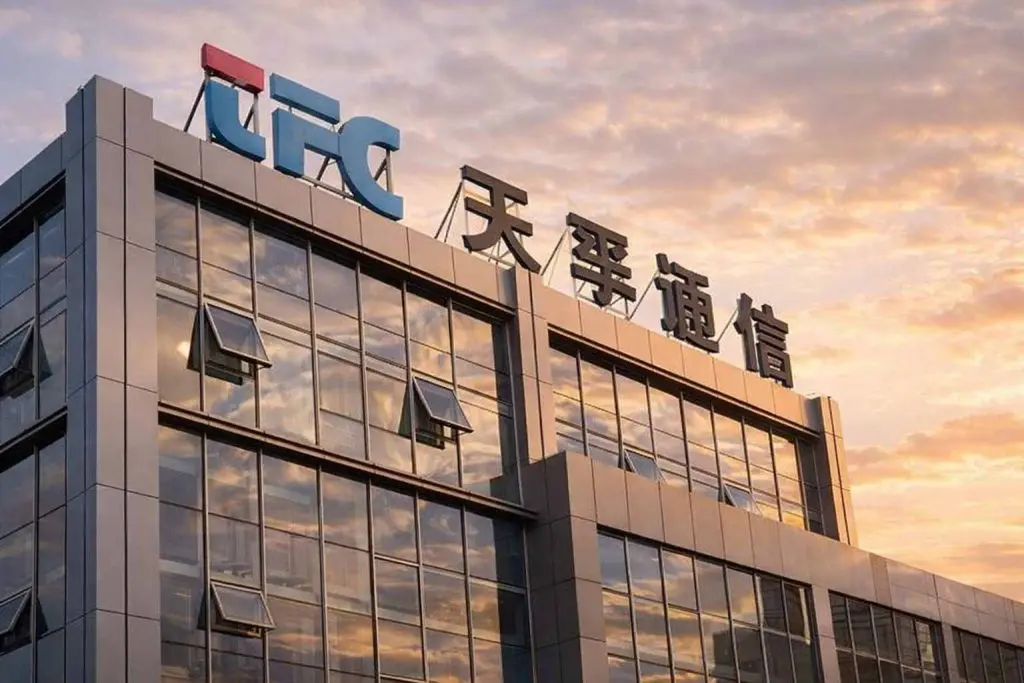
Taiwan DRAM maker Nanya Technology Corp (2408.TW) kicked off Tuesday trading at its limit-down price of T$247.50, hitting the market’s 10% daily drop ceiling. About 5,800 lots were up for grabs at that level. The TAIEX benchmark slipped 0.6%. Even with the steep drop, Nanya’s shares have climbed roughly 15% over the past five sessions. 鉅亨網
Nanya’s shares plunged after the company reported a fourth-quarter net profit of T$11.083 billion, with a gross margin sitting at 49%. The jump was driven by a more than 30% rise in average selling prices alongside shipments that grew between 11% and 13%. DRAM — the memory chip used in servers, PCs, and phones — remains the key profit engine. General manager Pei-Ing Lee told investors to expect DRAM prices to keep climbing in the first quarter, although the pace should ease compared to last quarter’s sharp spike. UDN Money
Nanya projected that average selling prices (ASP) could rise by at least 10% in Q1, possibly jumping more than 20% if supply stays tight. The company’s net cash hit T$38.5 billion by year-end. It also hinted at a lower dividend payout ratio in 2026, aiming to conserve cash for expansion. Quartr
A U.S. investment bank cut its 2026 earnings-per-share forecast to T$29.9 from T$55.7 after the call, according to Taiwan’s Economic Daily News. Still, it bumped up its 2027 estimate. The firm stayed bullish, pointing to ongoing shortages of DDR4—an older DRAM type—that might last into next year. It also noted progress in wafer-on-wafer (WoW) stacking and high-bandwidth memory (HBM) technology, key for AI accelerators. UDN Money
Lee is zeroing in on supply bottlenecks. He pointed out that capacity expansions in the sector look limited through mid-2027 and described the full-year outlook as “not bad,” while flagging a usual seasonal slump later in 2026. Nanya plans to seek board approval for roughly T$50 billion in capital expenditures for 2026 and aims to start equipping a new plant in 2027, with production scaling up in 2028. Yahoo News
Talk of supply-side shifts is intensifying beyond just the company. Micron, a U.S. competitor, revealed plans to acquire Powerchip Semiconductor’s P5 facility in Tongluo for $1.8 billion. This deal aims to boost cleanroom capacity and increase DRAM wafer output beginning in the latter half of 2027. Reuters
Nanya doesn’t see the deal shaking up prices anytime soon. Lee pointed out that Micron and Powerchip will need time to secure equipment and fine-tune their processes. He expects little to no impact on the memory market this year or into early next year. Yahoo Finance
Tuesday’s limit-down plunge shows how fast sentiment can sour in a crowded trade. If contract prices fall earlier than anticipated or customers push back on allocations, Nanya’s earnings leverage turns into a liability. Big expenses and a cut dividend could test investors’ resolve as well.
Traders are closely monitoring DRAM spot and contract prices, waiting to see if buying ramps up when the stock finally escapes the limit-down range.
Nanya is set to release its first-quarter earnings on April 14. marketscreener.com