
BENGALURU, Jan 19, 2026, 15:24 IST
- Nifty 50 dropped 0.68%, while the Sensex slid 0.7% in early trading, dragged down by Reliance Industries and ICICI Bank.
- Wipro dropped nearly 10% following a weak revenue forecast and its lowest deal bookings in six quarters
- New tariff threats from U.S. President Donald Trump weighed on risk appetite across regions
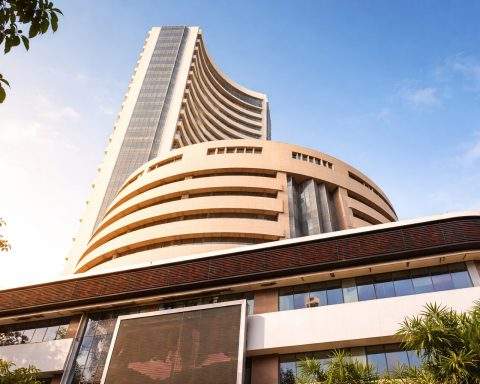
Indian stocks dipped on Monday, weighed down by earnings disappointments from Reliance Industries and ICICI Bank, while a steep decline in Wipro hit benchmark indexes. By 10:01 a.m. IST, the Nifty 50 dropped 0.68%, and the Sensex was down 0.7%.
This shift is significant as earnings season hits full stride, with a few mega-caps capable of jolting index-heavy benchmarks fast. Reliance, ICICI, and Wipro carry substantial weight, and their struggles quickly spilled over into mid- and small-caps.
Tariffs cut both ways. Trump’s newest threat, linked to his push for Washington to buy Greenland, rattled trade-war jitters and dragged stocks lower across Europe and Asia.
Shares of Reliance dropped as much as 2.7% after the Mukesh Ambani-led group reported a profit of 186.45 billion rupees ($2.06 billion) for October-December, falling short of the 196.44 billion rupees average estimate compiled by LSEG. The company’s retail segment saw core margins shrink to 8% from 8.6% a year ago, weighed down by festive discounting and investments in hyper-local delivery.
ICICI Bank’s profit fell short due to increased provisions—funds reserved for possible loan losses—following a Reserve Bank of India supervisory review. Executive director Sandeep Batra told analysts the regulator identified 200-250 billion rupees of loans misclassified as agriculture under “priority sector” lending, even though those loans were not delinquent. Reuters
The pain hit tech hard. Wipro dropped nearly 10% after forecasting fourth-quarter revenue growth of just flat to 2% quarter-on-quarter. The company also reported $3.34 billion in deal bookings — the lowest haul in six quarters.
Morgan Stanley downgraded Wipro to “underweight” and trimmed its price target, flagging concerns that weak deal conversion might widen the gap with bigger competitors Tata Consultancy Services and Infosys. Wipro currently trades at roughly 19.7 times forward earnings, compared with 21.3 for TCS and 22.5 for Infosys.
“Wipro is caught in a double bind, unable to keep revenue growth or rein in costs, which is hitting its profitability,” said Gaurav Vasu, founder of market intelligence firm UnearthInsight.
Fourteen out of 16 major sectors declined, with small- and mid-cap indexes also slipping. “Mixed earnings from frontline stocks have kept markets in a cautious zone,” said Prashanth Tapse, senior vice president of research at Mehta Equities.
Foreign portfolio investors (FPIs) have been selling aggressively, offloading $2.5 billion in Indian stocks this month alone. This follows record outflows of $19 billion in 2025, according to NSDL data.
In London, the FTSE 100 has been edging close to record highs this month, buoyed by positive economic data and company earnings. Yet, talk of tariffs is casting a shadow over sentiment. On Jan. 15, the FTSE 100 closed at a fresh record of 10,245.99. The FTSE 250, which leans more domestic, jumped 1.4% to hit a four-year peak after figures showed the UK economy expanded 0.3% in November. IG analyst Axel Rudolph described the data as “a potential catalyst for inflows” into both indexes. Reuters
A Bloomberg UK markets live blog on Jan. 16 reported the FTSE 100 was on track for its strongest weekly gain since August despite a late stumble, buoyed by fresh enthusiasm for AI-related stocks.
But the setback in India highlights how quickly sentiment can shift when major earnings underperform and geopolitical risks surface. Should the tariff threat become actual policy and more big companies report disappointing results, the next phase might be fueled by outflows instead of fundamentals.
Investors are bracing for a surge of quarterly reports and fresh trade headlines, pushing markets to cling tightly to anything solid while offloading the rest.