New York, Jan 8, 2026, 09:38 EST — Regular session
- Nvidia shares rose about 1% early Thursday after a Reuters report on tougher payment terms for H200 chip orders in China
- The policy shift highlights regulatory uncertainty around approvals and export licensing for high-end AI chips
- Next focus: any sign of purchase orders from China and Nvidia’s Feb. 25 quarterly results
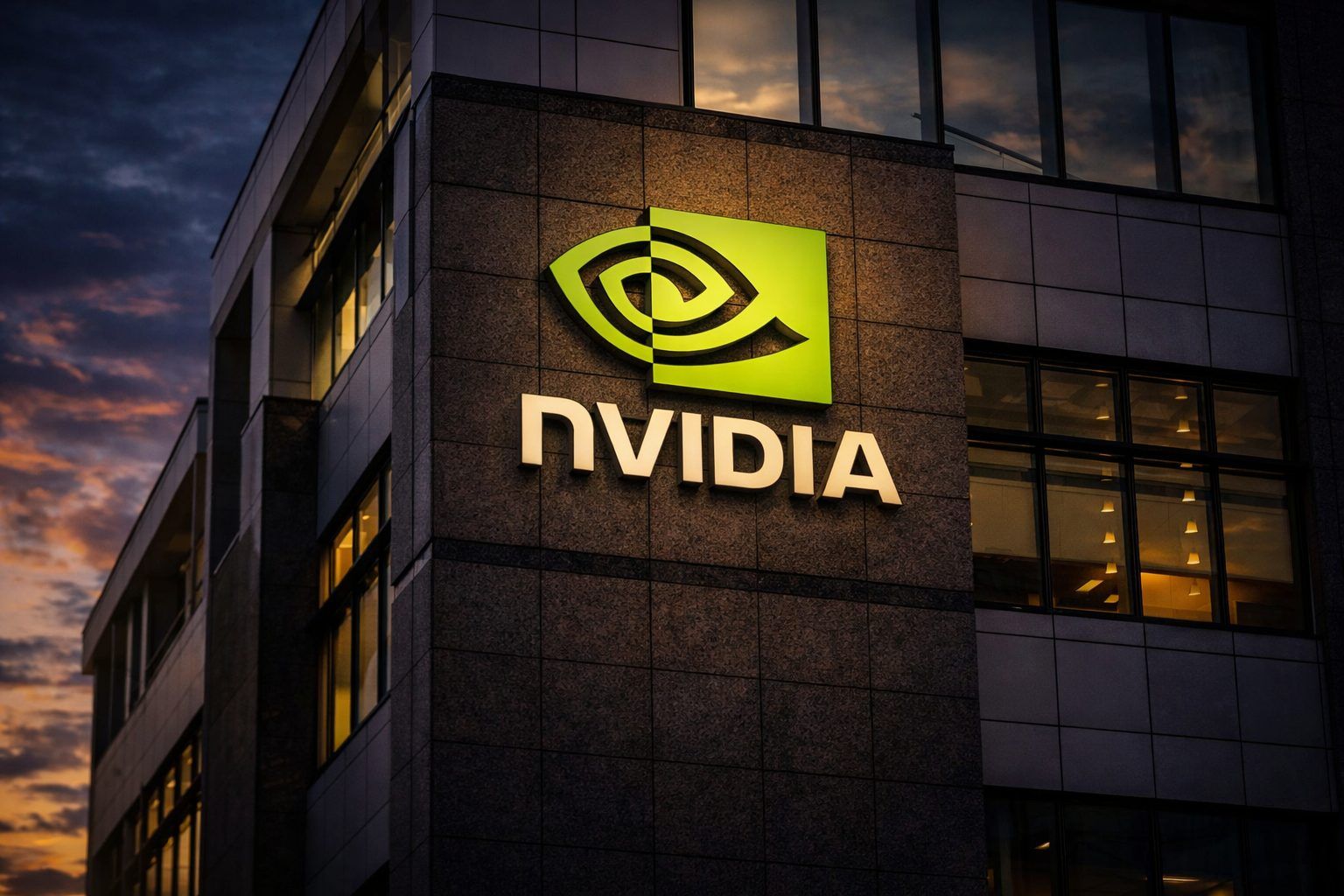
Nvidia shares rose about 1% in early trading on Thursday after Reuters reported the chip designer is demanding full upfront payment from Chinese customers seeking its H200 artificial-intelligence chips, tightening terms as Beijing weighs approvals. The stock was up $1.94 at $189.11. Reuters
The issue is timing, not appetite. Chief Executive Jensen Huang said this week demand from China for the H200 was “quite high” and that Nvidia had “fired up our supply chain,” but the company is still waiting on export licenses and does not know when approvals will land, Chief Financial Officer Colette Kress said. Reuters
For investors, China has become a swing factor again at a moment when the stock is trading near the $190 level and the market is trying to pin down how much revenue can actually ship, not just how much is booked. The upfront-payment requirement pulls cash forward and pushes more risk to the buyer if approvals drag or rules change midstream.
On the customer side, Nvidia continues to stack up ties to companies building “AI factories” — data centers designed for training and running large models. China’s Lenovo said it will pair its liquid-cooled hybrid infrastructure with Nvidia computing platforms to cut deployment time to “weeks,” with Lenovo CEO Yang Yuanqing calling the program “a new benchmark” for scalable AI-factory design. Reuters
Power and cooling, a practical constraint for AI buildouts, also stayed in focus after Huang’s CES remarks rippled through adjacent sectors. Barclays analysts led by Julian Mitchell wrote that “one should not take their comments lightly” when Nvidia talks about reducing data-center cooling needs, even if the claims sound dramatic. Reuters
The broader tape was cautious. Wall Street opened under pressure as investors positioned for Friday’s U.S. nonfarm payrolls report, after a choppy prior session that saw money rotate toward AI-linked names even as the S&P 500 and Dow finished lower. Reuters
A separate, routine disclosure also hit the docket: a Form 144 filing showed Nvidia executive Ajay K. Puri disclosed a proposed sale of up to 200,000 shares. Form 144 is a notice used by insiders planning to sell restricted or control securities under certain conditions. Securities and Exchange Commission
Still, the bigger risk sits offshore. If Beijing delays approvals, tightens conditions on buyers, or pushes a higher domestic-chip purchase requirement alongside imported H200s, the flow of shipments could slow and the headline demand won’t translate into near-term revenue. Another snag on U.S. export licensing would land the same way, while domestic rivals such as Huawei continue to press for share in China’s AI stack.
Traders are watching for tangible signs — purchase orders and shipping schedules — and then the next hard checkpoint: Nvidia is scheduled to report fourth-quarter fiscal 2026 results on Feb. 25, according to its investor events calendar. investor.nvidia.com