NEW YORK, January 8, 2026, 14:25 EST — Regular session
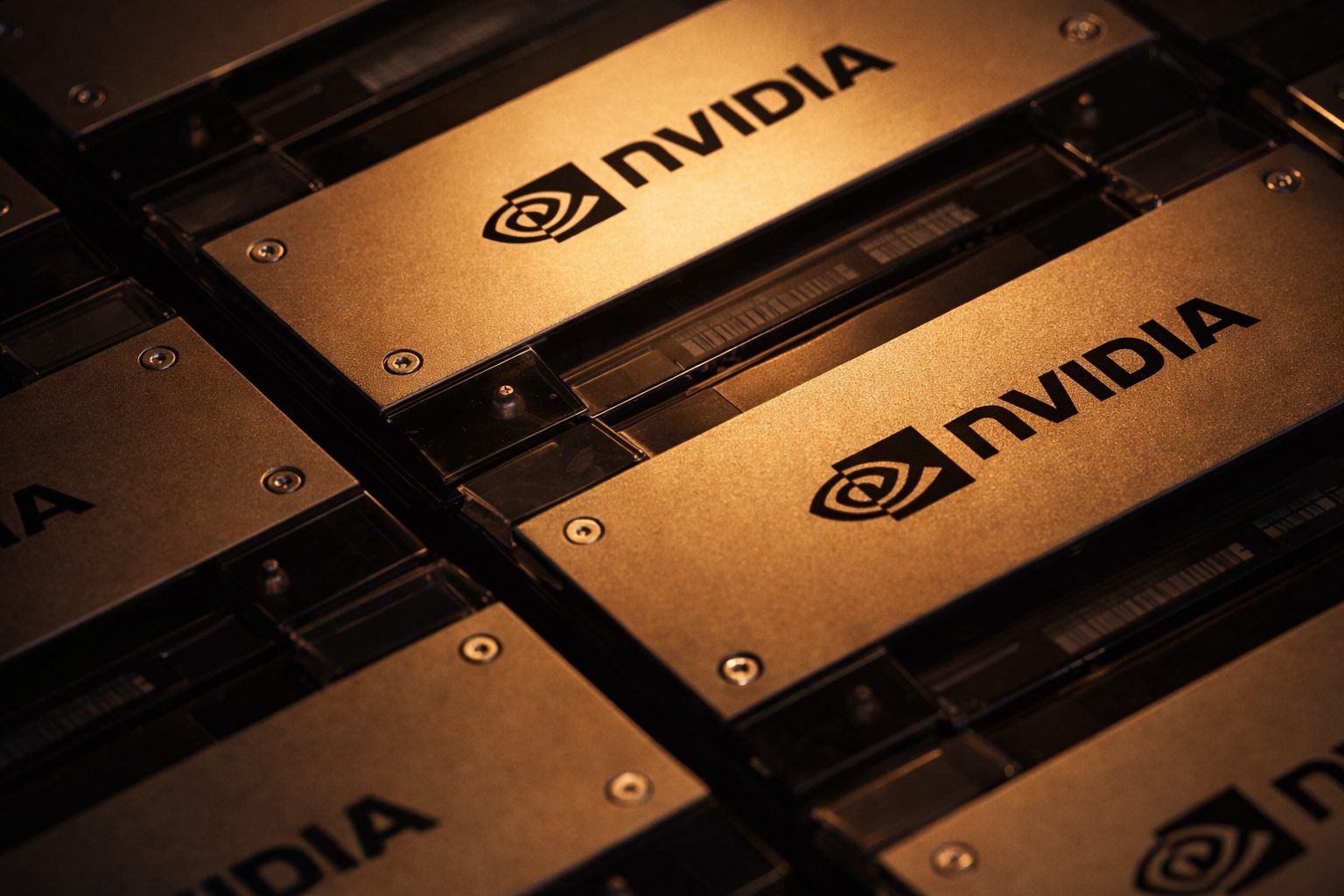
Nvidia shares fell about 2.7% on Thursday after the AI chipmaker tightened payment terms for its H200 processors sold into China, demanding full upfront payment and barring cancellations or refunds, sources briefed on the matter told Reuters. The stock traded at $184.03, near the day’s low of $183.86. Beijing has asked some tech companies to pause H200 orders while regulators decide how many domestic chips buyers must purchase alongside each order, the report said. Reuters
The move matters because China is again a live swing factor for Nvidia’s growth story, even as rules remain unsettled. At the Consumer Electronics Show in Las Vegas, Chief Executive Jensen Huang said he did not expect a formal Chinese announcement and that approvals would show up in “purchase orders.” CFO Colette Kress said the U.S. government was “working feverishly” on export license applications and that Nvidia still did not know when they would be approved. Reuters
H200 demand has stayed strong, but the plumbing around it is now the issue. H200-class chips are used for AI “training” — the computing-heavy phase where models learn patterns from data — and buyers typically want predictable delivery schedules and terms. New prepayment rules shift risk toward customers, but they also underline how easily the China pipeline can slow if approvals drag or conditions change.
Nvidia’s drop came with a broader tech retreat that left the Nasdaq down about 0.5% around midday, while the S&P 500 hovered near flat. “It was ‘too soon’ to call” it a broadening of the rally beyond tech, Joe Saluzzi at Themis Trading said. Shares of Advanced Micro Devices, another AI chip name watched alongside Nvidia, were down about 2.9%. Reuters
Still, the downside case is obvious. If Beijing limits approvals to narrow commercial uses — or if Washington’s export stance hardens again — the stop-start pattern could return, forcing customers to delay orders and leaving investors guessing about the pace of data-center revenue.
The next big checkpoint is Nvidia’s own update cycle: the company’s investor calendar shows its fourth-quarter fiscal 2026 financial results are slated for Feb. 25. Traders will look for any hard sign of China orders resuming, and for how management frames supply, margins and demand into the next chip generation. investor.nvidia.com