New York, January 8, 2026, 10:31 EST — Regular session
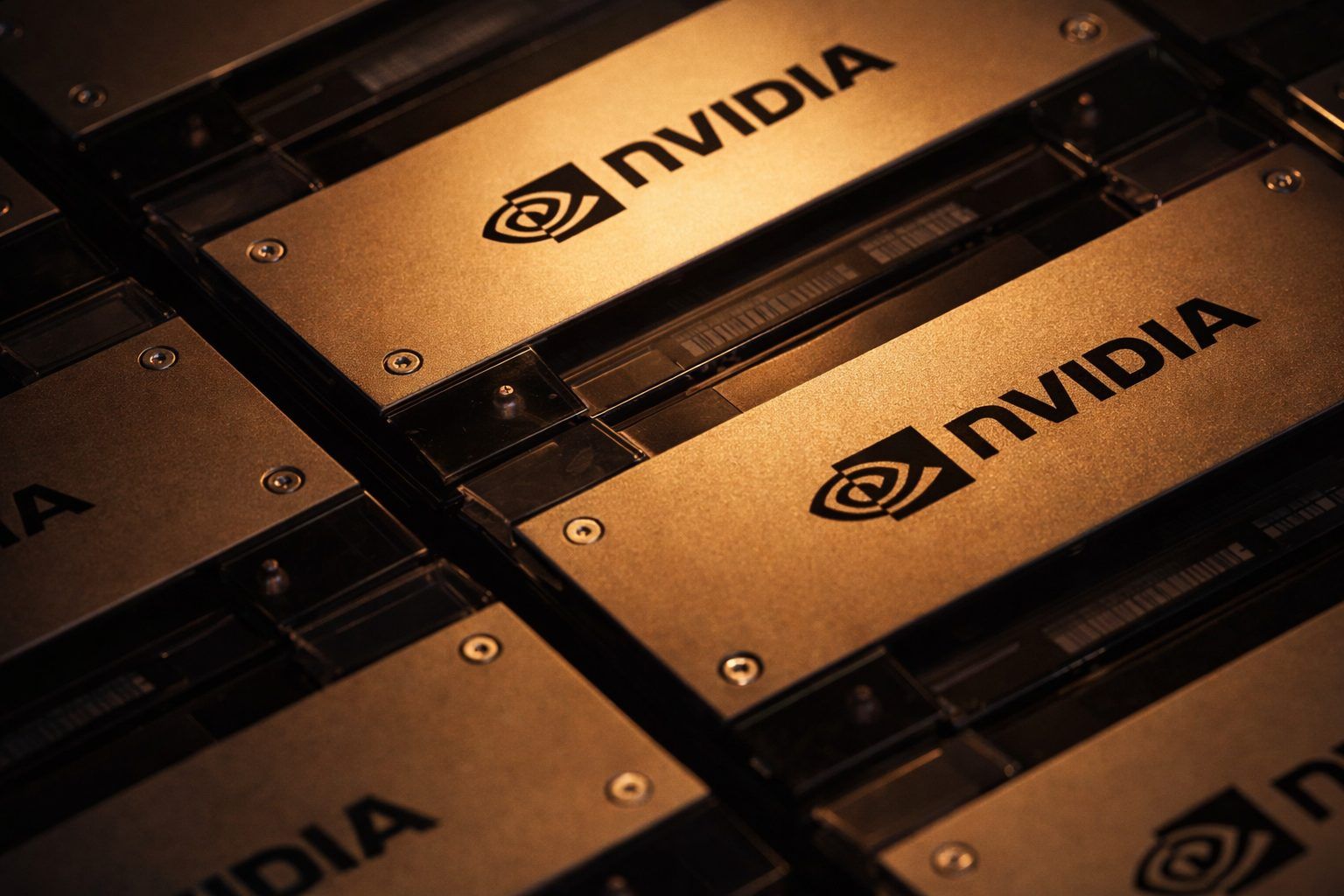
Nvidia shares fell about 1.6% to $186.03 on Thursday after two people briefed on the matter said the chipmaker is demanding full upfront payment from Chinese customers seeking its H200, a data-center processor used to train artificial-intelligence models. The terms bar cancellations, refunds or configuration changes after an order is placed, the people said. The stock hit an intraday low of $184.73 and a high of $190.28. Reuters
The shift lands as investors start 2026 leaning again into big AI names, even as valuations and policy risk keep flashing yellow. “Investors have come into 2026 with a similar playbook to last year: Buy tech and forget about it. Rumors that the AI trade was done turned out not to be true,” Jake Dollarhide, chief executive of Longbow Asset Management, said in a note on Wednesday’s session. Reuters
China’s regulators are still deciding what strings to attach to those imports, and that uncertainty is now leaking into the commercial terms. Beijing asked some Chinese tech companies to halt H200 orders this week while it considers whether to mandate purchases of domestically made AI chips alongside Nvidia’s, The Information reported, Reuters reported on Wednesday. U.S. export licenses for the chips are still being processed with no set timeline, the report said. Reuters
The sensitivity around any Nvidia headline has been on display across the supply chain. Earlier this week, data-center cooling shares slid after CEO Jensen Huang said Nvidia’s next-generation chips were in “full production” and suggested future systems could sharply reduce cooling needs; Barclays analysts led by Julian Mitchell wrote that “given the primacy of Nvidia to the whole AI ecosystem, one should not take their comments lightly.” Reuters
Rivals are pushing their own AI hardware story at CES, but Nvidia still sets the pace for many buyers. Advanced Micro Devices’ CEO Lisa Su highlighted MI455 processors and an “enterprise” AI chip aimed at on-premise deployments, as AMD works to translate its OpenAI relationship into broader data-center wins. OpenAI President Greg Brockman said chip advances were critical to OpenAI’s computing needs, according to a Reuters report from the event. Reuters
The bigger risk is that buyers get tired of wiring cash into a deal that depends on shifting approvals, or that Beijing’s final rules curb purchases more than the market expects. A faster green light would cut the other way, but it would not erase the wider uncertainty around AI chip trade between the United States and China.
Next up, traders will look for clearer signals on Chinese approvals and export licenses, but the calendar has a hard marker: Nvidia is scheduled to report fourth-quarter fiscal 2026 results on Feb. 25, its investor site shows. investor.nvidia.com