
New York, June 11, 2026, 04:27 a.m. ET
- Nvidia ended the day at $200.42, off 3.73%, with the AI-chip trade facing new pressure.
- The selloff had more to do with worries about valuation, rates, and geopolitics weighing on high-growth tech than with Nvidia’s latest results.
- Investors are putting Nvidia’s $91 billion quarterly revenue target to the test as they watch for the impact of tighter conditions and China restrictions.
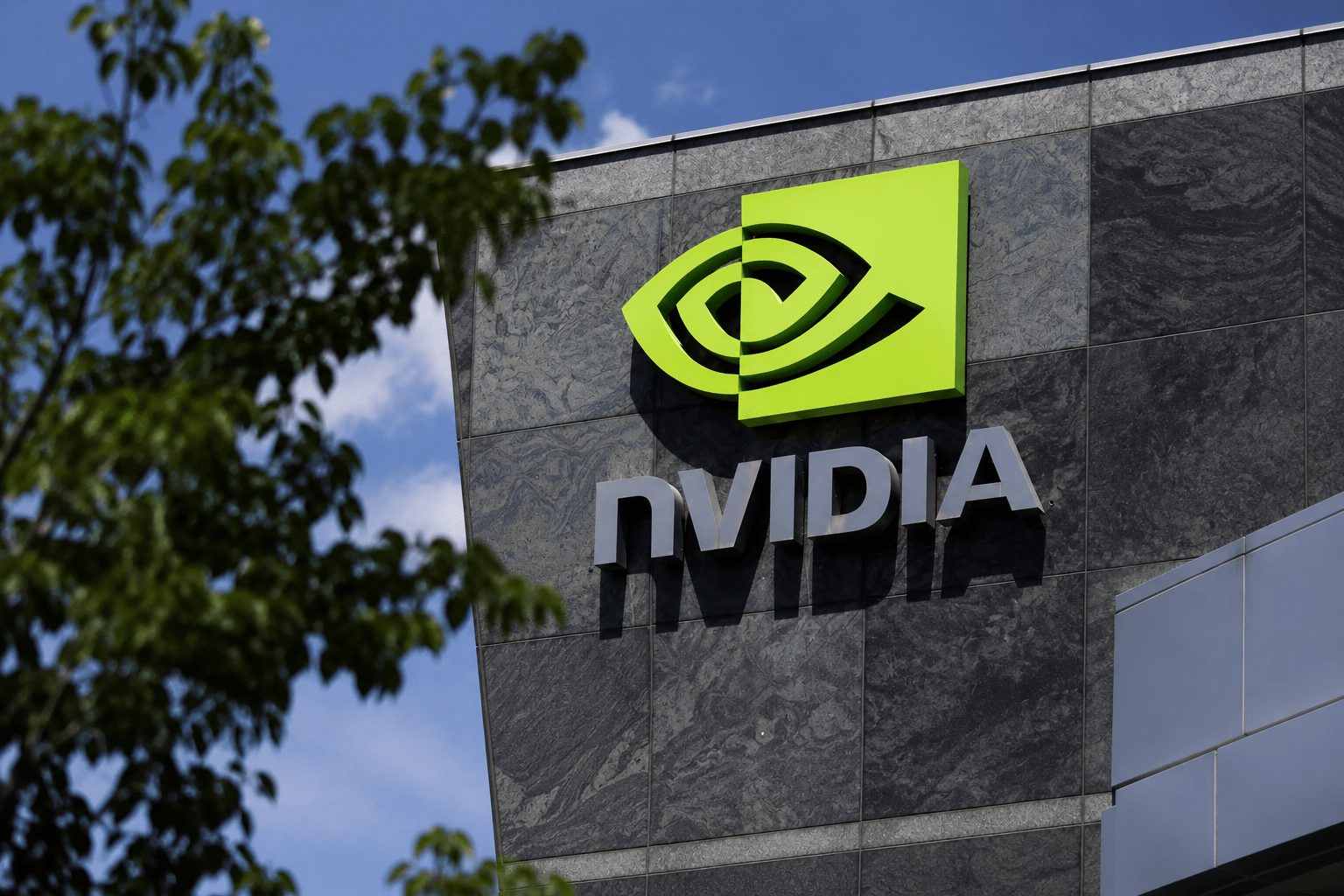
Nvidia dropped 3.73% to $200.42 on Wednesday, leading another slide in artificial intelligence stocks. The move did not follow any poor Nvidia earnings report. Instead, investors pulled back from paying high prices for AI growth as chip stocks weakened, inflation fears took hold, and geopolitical risks came back into play.
Philadelphia Semiconductor Index fell 3.6%, Reuters reported, with Nvidia and Broadcom leading S&P 500 losses. The S&P 500 tech sector closed 11% off its June 2 record, pushing past the 10% correction line. That’s key for Nvidia, now a major index weight and a bellwether for AI demand.
Stocks sank, with the Dow off 953.33 points, the S&P 500 down 1.62%, and the Nasdaq losing 1.98%. The drop came as investors looked at a 4.2% jump in May consumer prices and priced in at least one Fed rate hike this year. Higher rates can hit long-duration growth stocks since future profits get discounted harder.
Nvidia’s slide hit the S&P 500 hard. The Associated Press called Nvidia, almost $4.9 trillion in market cap, the biggest weight on the index after dropping 3.7%. Broadcom fell 5.1%, landing as the next largest drag.
Nvidia is still posting huge company numbers. In May, it reported fiscal first-quarter revenue of $81.6 billion, up 85% over last year. Data Center revenue was $75.2 billion, a 92% jump. CEO Jensen Huang said, “The buildout of AI factories — the largest infrastructure expansion in human history — is accelerating at extraordinary speed.” Nvidia calls an AI factory a data center designed to train or run artificial-intelligence models at industrial scale. NVIDIA Investor Relations
Wednesday’s slide is about what’s expected, not just results. Nvidia is looking for fiscal Q2 revenue of $91 billion, give or take 2%, and says that forecast doesn’t factor in any Data Center compute money from China. Compute refers to the AI training and inference systems.
Nvidia’s latest reporting split has investors focused on where growth is coming from. The company is breaking out Data Center into “Hyperscale,” for the biggest cloud and internet names, and “ACIE,” which lumps together AI clouds, industrial, enterprise, and sovereign buyers. For the first quarter, Hyperscale revenue landed at $37.9 billion. ACIE pulled in $37.4 billion. Nvidia wants to show AI demand isn’t just about U.S. cloud titans. Q4 Capital
China is still weighing on results. Nvidia’s latest quarterly filing showed it shipped no Data Center Hopper products to China, after reporting $4.6 billion from those shipments last year. Nvidia also reported $4.55 billion in revenue from customers based in China, including Hong Kong, which fell from $9.66 billion a year ago.
Nvidia’s risk is clear: Shares could drop even if sales break records, as long as AI spending cools off, export rules get tighter, or customers can’t secure enough capital, energy or data-center space. The company said sales are heavily tied to a few buyers; three direct customers made up 21%, 17% and 16% of first-quarter revenue.
Nvidia is boosting capital returns but that only goes so far if the stock rerates. The company bought back 108 million shares for $20.2 billion in Q1, signed off on another $80 billion for buybacks, and lifted its quarterly dividend to $0.25 per share. That dividend’s payable June 26 to shareholders of record on June 4.
Investors now have to decide if Wednesday’s drop means a shakeout in the crowded AI trade or signals something bigger. Nvidia’s got a $91 billion second-quarter target—now it’s the bar. The company left out China Data Center compute revenue from that forecast, so if U.S. cloud, enterprise, or sovereign AI demand weakens, there’s not much cushion.