NEW YORK, Feb 16, 2026, 12:34 EST — Market closed
- Brent picked up 41 cents, landing at $68.16 a barrel. U.S. WTI advanced by 43 cents to settle at $63.32.
- With U.S. markets closed for Presidents’ Day and several Asian exchanges also on break for Lunar New Year, trading volumes stayed light.
- Traders have their eyes on U.S.-Iran talks set for Tuesday in Geneva, while an OPEC+ meeting on March 1 covering output plans is also on their radar.
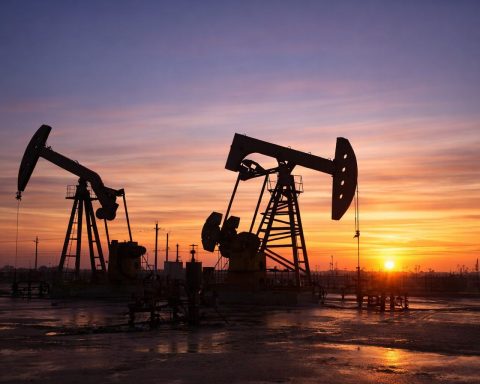
Oil ticked up on Monday, with traders keeping a close eye on U.S.-Iran nuclear negotiations and factoring in the possibility of increased OPEC+ supply over the next few months. https://www.reuters.com/business/energy/oi…
The standoff is propping up a geopolitical risk premium in crude, injecting extra price support as traders weigh the possibility that supply might outstrip demand later this year.
Brent crude futures added 41 cents to $68.16 a barrel, a 0.6% rise as of 1508 GMT. U.S. West Texas Intermediate crude moved up 43 cents, reaching $63.32.
WTI skips settlement on Monday due to the U.S. Presidents’ Day holiday, a quirk that tends to amplify short-term moves.
Oil prices have held steady, PVM analyst Tamas Varga noted, with “fears of supply disruption from the U.S.-Iran tensions” supporting the market.
With China, South Korea and Taiwan markets shut for Lunar New Year, trading was already expected to be thin—holidays taking a chunk out of the tape.
Last week saw both benchmarks slide. Brent shed roughly 0.5% for the week; WTI dropped 1%. U.S. President Donald Trump’s remarks—suggesting Washington might strike a deal with Tehran within a month—loomed over the market.
The United States and Iran are set for a second round of Geneva talks on Tuesday focused on Tehran’s nuclear programme. Ahead of the meeting, Iran’s foreign minister sat down with the U.N. nuclear watchdog chief, while an Iranian diplomat indicated that topics like energy and mining investments, along with aircraft purchases, were also in discussion.
SEB analysts, in a note, put Brent anywhere from $80 a barrel if Iranian tension escalates, to $60 if the situation calms down: “Increased Iranian tension could drive Brent to $80 a barrel. Fading tension would drop it back to $60 a barrel.”
OPEC+ — that’s the Organization of the Petroleum Exporting Countries and its Russia-led allies — is leaning toward restarting output hikes beginning in April, traders said, with a decision expected at a March 1 meeting. The move, after three months on pause, could put a lid on further rallies.
China is on track to notch a third consecutive monthly record for Russian oil imports in February, traders and ship-tracking data show. That extra buying is helping to counter a pullback in Indian orders as U.S. pressure mounts.
Diplomacy’s a double-edged sword here. A strong indication that a deal’s possible might wipe out the risk premium fast. But if talks collapse, the market could snap right back to supply-risk pricing—long before any barrels actually disappear.
Traders now turn attention to Tuesday’s Geneva talks, before shifting focus to the OPEC+ gathering set for March 1. Another data point lands Feb. 19, as the Energy Information Administration is set to release its latest weekly U.S. crude inventory figures. https://www.eia.gov/petroleum/supply/weekl…