
New York, June 10, 2026, 15:42 (EDT)
- OpenAI said it has filed a confidential S-1, starting the process for a U.S. IPO.
- What’s new: Sam Altman has reportedly told staff he thinks OpenAI could go public “within the next year.”
- Investors are keeping an eye on the timing here, with OpenAI, Anthropic and SpaceX all cited as possible tests of public-market appetite for mega-cap AI IPOs.
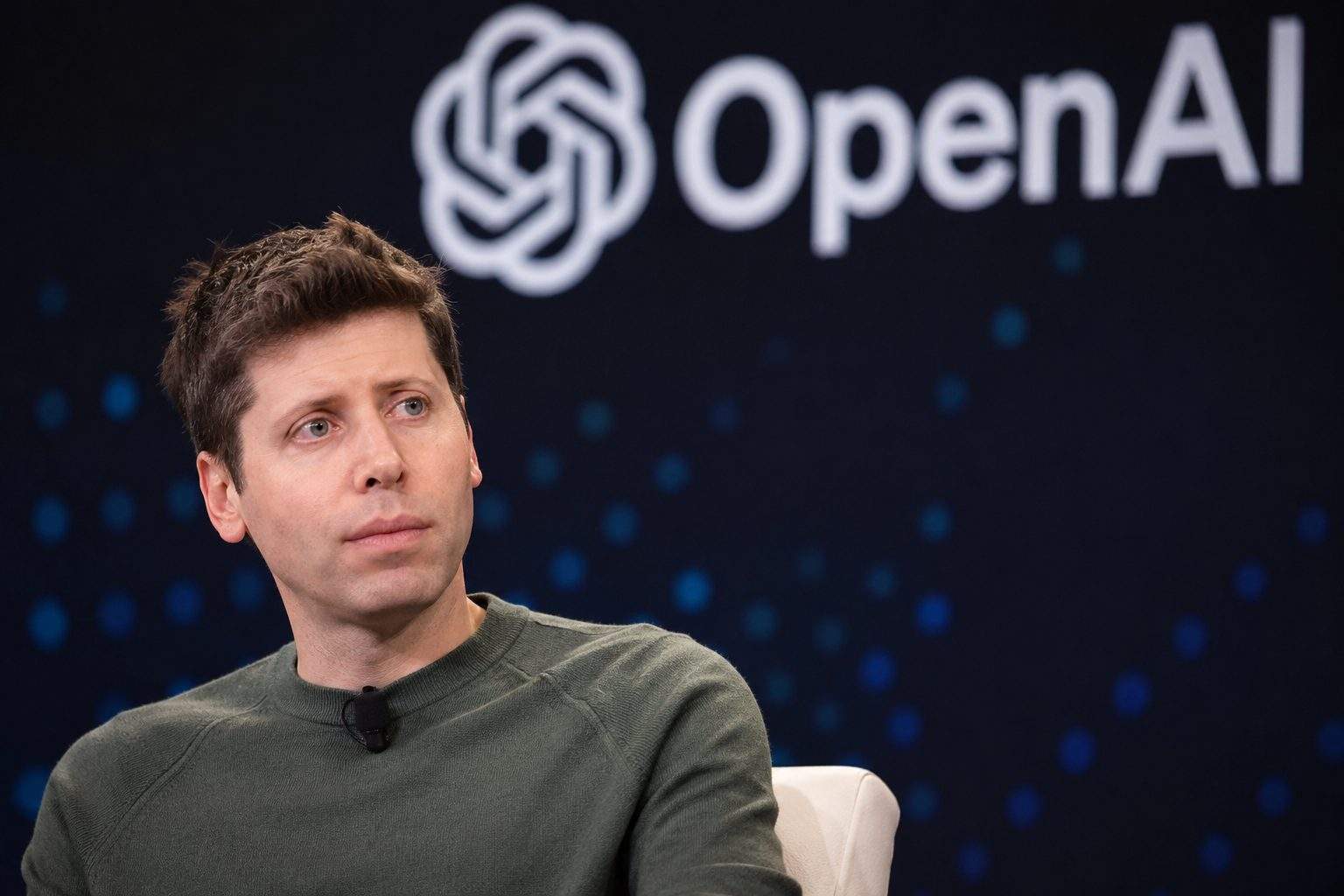
OpenAI may be getting closer to a public listing. Just two days after the company said it had confidentially filed an S-1 with the SEC, Reuters said CEO Sam Altman told staff he thinks OpenAI will go public “within the next year,” according to The Information. Investors had only a vague sense of timing after OpenAI’s statement, which said no timeline was set, but the new report points to a looser target. OpenAI
A confidential S-1 is a draft IPO filing that regulators see before investors get a look at the company’s financials, risk factors and ownership structure. Under SEC rules, companies can submit this paperwork privately first. But they still have to make the filing public before their road show, which is the marketing period for the IPO.
OpenAI’s June 8 statement left out share count, price range, exchange, and underwriters. No target date either. The company also said it’s not making an offer to sell securities yet—a standard disclaimer, but it means retail buyers still don’t have access to OpenAI stock through any IPO.
There isn’t a public OpenAI ticker trading today. The price move investors watched is still private. Altman told staff a tender offer was coming “very soon,” saying shares would go at $687.69, according to Reuters, which cited The Information. Tender offers are private deals where current holders can sell. These deals can help set a valuation marker before an IPO. Reuters
Investors are zeroing in on a much higher figure. Reuters reported OpenAI is aiming for a valuation that could reach $1 trillion if it lists, possibly as soon as September. But OpenAI’s statement still says the timing is undecided.
Growth and scarcity drive the argument for that price. In March, OpenAI announced $122 billion in committed capital and a post-money valuation of $852 billion. The company reported $2 billion in revenue per month, and said ChatGPT had over 900 million weekly users and more than 50 million subscribers.
OpenAI’s IPO is notable because it’s just one of several on the way. Anthropic has already filed confidentially for a U.S. listing, and SpaceX is working on its own IPO, driven in part by its AI push. The wave is shaping up as a test for capital markets, with public investors facing big new AI offerings at steep, trillion-dollar valuations.
Gil Luria, managing director at D.A. Davidson, told Reuters, “What OpenAI does not want is for the public market capital to exhaust itself.” Luria laid out what portfolio managers are trying to figure out now: if SpaceX or Anthropic go public first and attract capital, OpenAI could have trouble pushing its own price. Reuters
OpenAI says enterprise clients now generate more than 40% of its revenue, and could match consumer sales by the end of 2026. The shift matters because public investors often give higher valuations to firms with steady business contracts than to those built on viral consumer apps. OpenAI is pushing to be seen as more than just a chatbot provider.
There’s actual risk in this paragraph, not just posturing for the IPO. The public S-1 could bring out losses, capital commitments, or governance limits that drag down the valuation. If Anthropic or SpaceX go public first, that could sap some demand. Oversight from regulators and legal questions is still an unknown. Reuters said Altman told staff that if recursive self-improvement advances faster — meaning AI systems get better at making new AI — it could be a reason to hold back from going public too soon.
That puts just one clear catalyst on the table. Investors are looking for the next public filing, not a blog post. OpenAI’s full S-1 would spell out revenue quality, losses, compute spend, ownership, voting rights, risk details. For now, the market gets a smaller but important update: OpenAI has started the regulatory process, and reports say Altman is telling staff to expect a listing within the next year.
Related articles: Artificial Intelligence