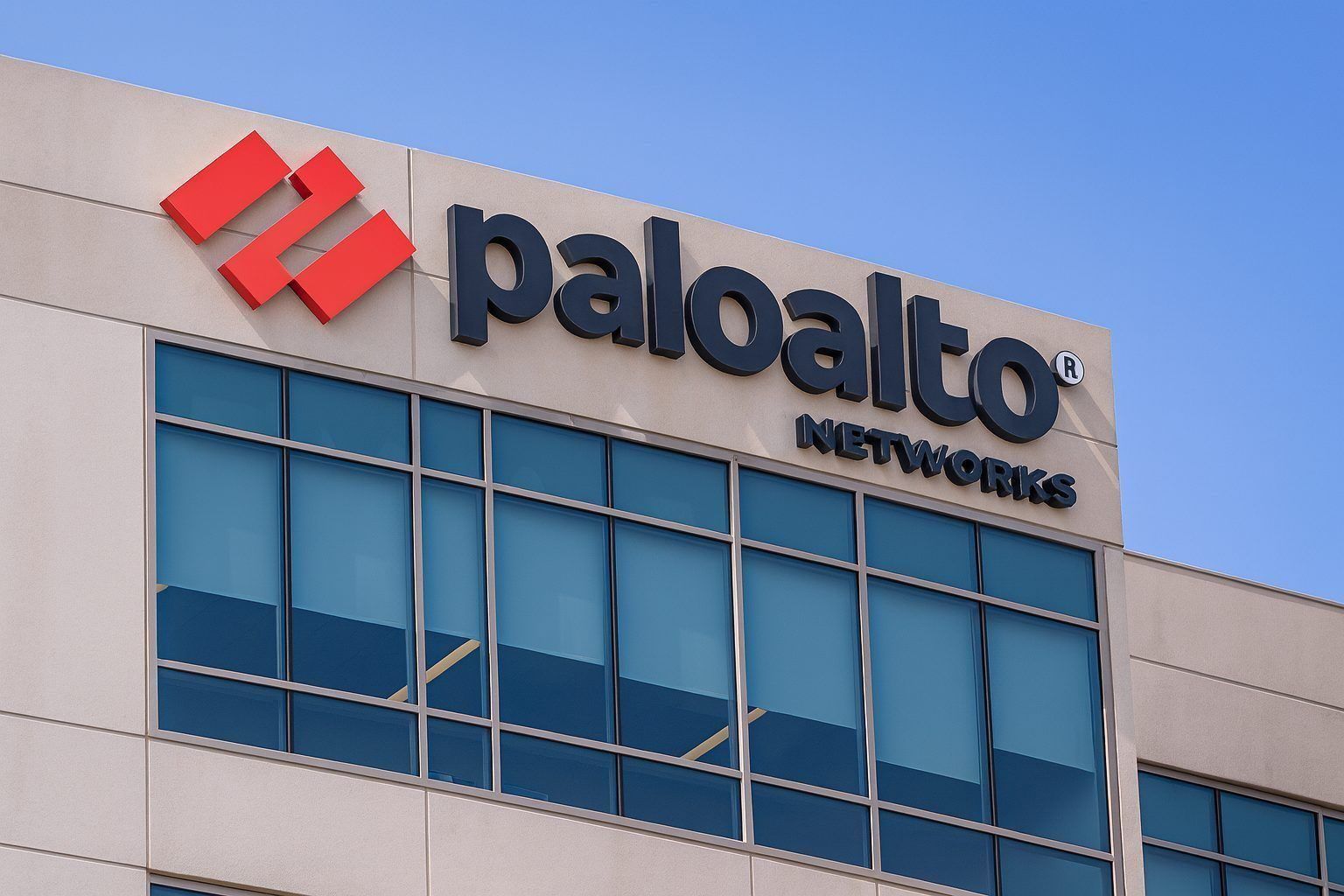

NEW YORK, January 8, 2026, 05:53 EST — Premarket
- Palo Alto Networks shares edged lower in early premarket trade after a strong prior session.
- A broker rating change and an insider sale filing were in focus ahead of the next earnings update.
Palo Alto Networks shares dipped 0.5% to $193.01 in premarket trading on Thursday, after closing at $193.90 a day earlier following a 4.3% gain. The stock swung between $187.77 and $196.19 in the prior session and sits within a 52-week range of $144.15 to $223.61.
The move matters because cyber stocks have started the year as a bellwether for how much big firms will keep spending on security as budgets tighten elsewhere. Traders have also been quick to fade or chase anything tied to “platform” spending — buying fewer vendors, sticking to them longer — and Palo Alto sits in the middle of that shift.
Guggenheim recently moved the stock to “Neutral” from “Sell” and kept its price target at $215, arguing the shares’ stretch of lagging the market makes the short case harder to press. Analyst John DiFucci wrote the sector is “somewhat insulated, if not boosted by the threat of AI.” TipRanks
Cybersecurity names moved higher broadly in the previous session. CrowdStrike rose 4.5% and Fortinet gained 3.9% on Wednesday, while the S&P 500 finished lower, according to MarketWatch data.
A Form 4 filing posted on Tuesday showed Chief Accounting Officer Josh D. Paul sold 800 shares on Jan. 2 at $184.81 a share, leaving him with 46,005 shares. The transaction was under a Rule 10b5-1 plan — a pre-set trading plan executives use to schedule sales ahead of time.
Investors’ next scoreboard is the company’s subscription growth. In its last quarterly update, Palo Alto forecast fiscal second-quarter revenue of $2.57 billion to $2.59 billion and next-generation security ARR — annual recurring revenue, a measure of subscription run-rate — of $6.11 billion to $6.14 billion. It also guided for remaining performance obligation (RPO), a backlog-style metric, of $15.75 billion to $15.85 billion.
But the setup cuts both ways. A miss on ARR growth, softer RPO, or a cautious outlook could revive worries that customers are stretching out upgrades or pushing vendors into sharper price fights — especially with peers also pitching “one platform” deals.


![US Stock Market Today 08/28/2026 [UPDATE: 00:10 EDT] [Marvell Holds 7.8% Loss Despite Raised Revenue Targets]](https://ts2.tech/wp-content/uploads/2026/08/US-market-dashboard-2026-08-28-0009-480x384.jpg "US Stock Market Today 08/28/2026 [UPDATE: 00:10 EDT] [Marvell Holds 7.8% Loss Despite Raised Revenue Targets]")



![Australia Stock Market Today 28/08/2026 [UPDATE: 14:35 AEST] [ASX Reaches Session High as Xero and CBA Extend Gains]](https://ts2.tech/wp-content/uploads/2026/08/AU-market-dashboard-2026-08-28-1435-480x384.jpg "Australia Stock Market Today 28/08/2026 [UPDATE: 14:35 AEST] [ASX Reaches Session High as Xero and CBA Extend Gains]")