
New York, May 2, 2026, 12:02 (EDT)
- Shares of Paramount Skydance jumped after Morgan Stanley issued a rare double-upgrade on the stock, linking its optimistic move to the Warner Bros. Discovery takeover.
- Paramount shares gained ahead of its May 4 first-quarter report, following news that a fresh consumer lawsuit aims to halt the deal.
- The $110 billion Warner Bros. deal isn’t past regulatory hurdles yet—litigation remains, and concerns about foreign funding also hang over the transaction.
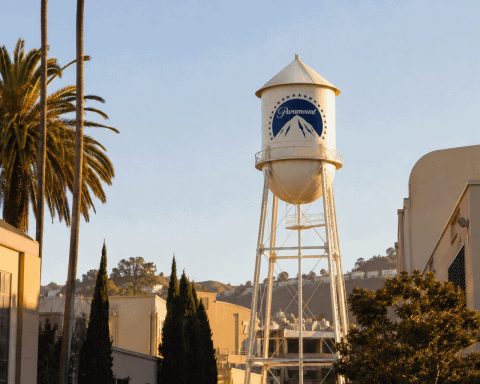
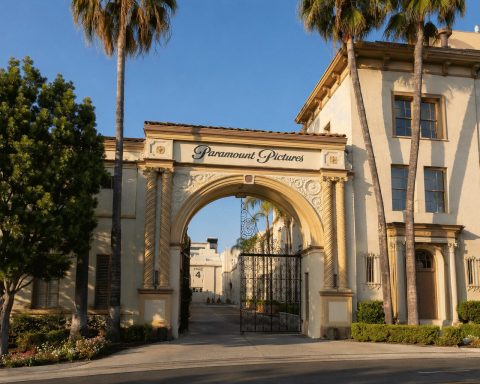
Shares of Paramount Skydance Corp. surged 8.3% to $11.09 on Friday, ending a six-day losing streak, after Morgan Stanley delivered a rare double upgrade—raising its rating from Underweight to Overweight. The move put renewed attention on Paramount’s pending deal for Warner Bros. Discovery, market data and Barron’s show.
This development lands just as Paramount heads into a critical phase. First-quarter earnings drop Monday, May 4, with investors watching closely. On top of that, David Ellison’s company faces scrutiny from regulators, lawmakers, and private plaintiffs as it tries to pull off one of the biggest media mergers in recent memory.
Morgan Stanley’s Sean Diffley bumped his price target for Paramount Skydance up to $14, a jump from his previous $11 mark. He didn’t mince words, calling the move the firm’s “riskiest and most out-of-consensus call.” Diffley flagged investor skepticism, the Warner Bros. transaction, plus potential cost cuts tied to artificial intelligence and consolidation. Barron’s
The bank sees the Warner Bros. tie-up boosting Paramount’s scale in both streaming and studio operations, adding heavyweight franchises like Harry Potter and Game of Thrones to its lineup. Paramount, for its part, has put projected deal synergies at over $6 billion, pointing to savings across operations, tech, and corporate roles.
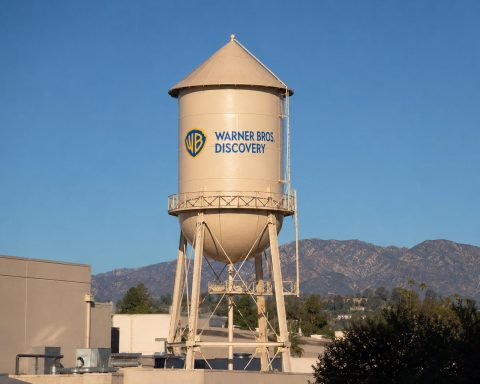
Paramount, in a deal unveiled back in February, is set to acquire Warner Bros. Discovery for $31 per share in cash—a price tag that puts Warner’s equity at $81 billion and its enterprise value, factoring in debt, at $110 billion. The companies still anticipate closing the deal in the third quarter of 2026, pending regulatory approval.
After Warner Bros. Discovery investors gave the green light to the deal on April 23, focus quickly turned from internal disputes to the regulatory front. Reuters noted Paramount had edged out Netflix in a prolonged battle for Warner Bros., though officials in Washington and London were set to scrutinize how the merger might impact competition.
A new legal hurdle has emerged for the deal. Five consumers have taken Paramount Skydance to federal court in California, aiming to halt the Warner Bros. acquisition and reverse the previous Paramount-Skydance combination. Their lawsuit claims the agreements could drive up prices, shrink consumer options, and lead to less movie and TV production. Paramount, for its part, said it knows about the suit and remains “confident that it is without merit.” Los Angeles Times
Foreign ownership has become a sticking point. Paramount has filed with the Federal Communications Commission, seeking sign-off on non-U.S. investors supporting the Warner Bros. transaction. According to Reuters, once the investments close, foreign investors—current and incoming—would hold just under 50% of Paramount’s equity. The Ellison family, though, is set to maintain control of the voting shares.
Political heat is rising over the FCC situation. On Friday, Rep. Sam Liccardo, a Democrat from California, told the agency to reject Paramount’s request, according to the Los Angeles Times. Paramount, for its part, maintains that control stays with the Ellison family and RedBird Capital Partners, who would hold all Class A common stock and all voting power.
Paolo Pescatore, analyst at PP Foresight, described the situation to Reuters as a “twofold challenge” for management: winning approval and showing it can deliver long-term value, all while avoiding further scrutiny of executive compensation. Forrester’s Mike Proulx added to Reuters that “the real regulatory pressure sits overseas,” pinpointing European authorities and their attention to market structure. Reuters
If the deal goes through, Paramount Pictures, CBS, Paramount+, Pluto TV, Warner Bros., HBO Max, CNN, Discovery and a raft of cable and studio properties would all end up under the same roof. Paramount would get a size boost to compete with Netflix and other big streaming players. The flip side: an even greater chunk of film, TV, news, and sports rights would land with a single owner.
Paramount’s first-quarter earnings call lands Monday at 4:45 p.m. EDT. Investors are expected to zero in on debt, streaming results, deal progress and where management is cutting costs—areas Morgan Stanley calls crucial for any bullish argument.
Friday’s bounce hardly closes the debate. Some investors are clearly betting on a smoother road ahead for the Warner Bros. acquisition, but there’s no shortage of hurdles—regulators, a consumer lawsuit, and the financing setup all hang over the deal. Any of them could shift the terms, push back the closing, or leave Paramount boxed in once it’s done.
Related articles: NASDAQ:WBD