
- Peloton teased a “new era” product launch (Oct. 1) with an AI-driven lineup, sending PTON shares up roughly 2–4% on the news finviz.com. Reports said the update (called “Peloton Intelligence”) includes refreshed Bike/Bike+, Tread/Tread+, and Row+ units with integrated AI features to personalize workouts finviz.com wired.com.
- Hardware+Software Overhaul: The Cross Training Series debuts today, featuring rotating touchscreen displays, upgraded internals, and “Peloton IQ” computer-vision coaching on all devices. CEO Peter Stern has said the company will “employ advanced technologies like AI to enhance our ability to serve as personalized coaches” pymnts.com, and CPO Nick Caldwell notes Peloton aims to be “accessible… at a price point… higher value than most gyms” wired.com.
- Financial Moves: Peloton simultaneously hiked subscription fees and cut costs. All-Access memberships rise to $50/mo (App+ to $29) effective October wired.com. The company also announced a 6% workforce reduction and other expenses cuts targeting $100 million in savings reuters.com (half of which CFO Liz Coddington says is already achieved). In Q4 FY2025, Peloton beat estimates – reporting a GAAP profit of $0.05/share (vs. -$0.06 expected) and $607M revenue (versus $580M est.) – bolstering its cash flow outlook reuters.com investing.com.
- Shares & Analysts: PTON rallied ~12% over five trading days into Oct. 1, closing around $8.96 finviz.com. That’s still about 15% below its Dec-2024 high (~$10.57) finviz.com. Wall Street is cautiously optimistic: UBS and Macquarie reaffirmed Buy ratings with ~$11 price targets, Goldman Sachs even moved to Buy ($11.50 PT) on the company’s “new management initiatives” and stronger Q4 results investing.com investing.com.
Cross-Training Launch: AI at the Core
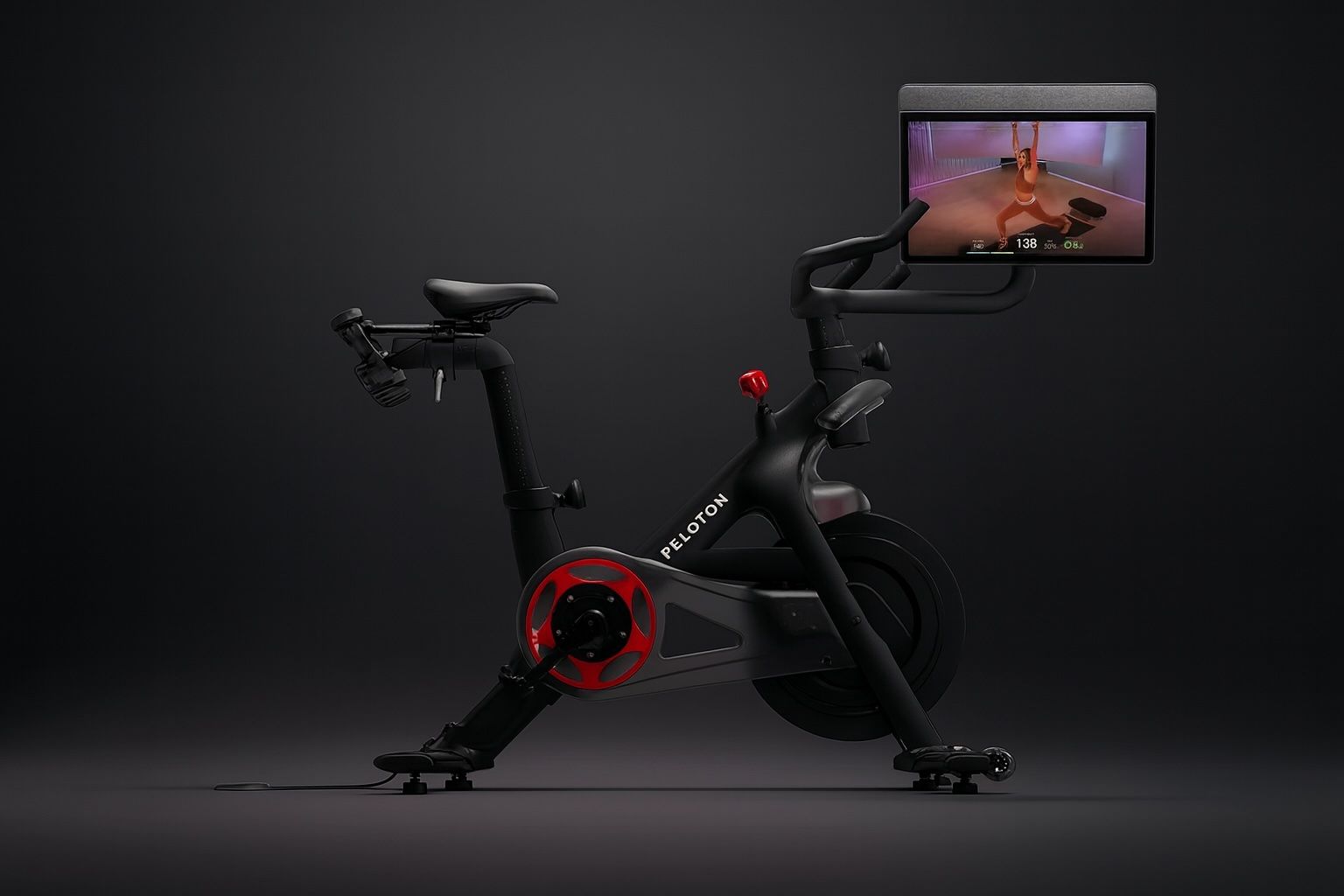
Peloton on Oct. 1 rolled out its biggest product overhaul in years. The Cross Training Series unifies its equipment line – Bike, Bike+, Tread, Tread+, Row+ – with swappable, rotating touchscreens and beefed-up hardware. All devices now support Peloton IQ, an AI-powered system that delivers personalized workout plans, form feedback and real-time performance insights. According to Wired’s Adrienne So, this integration brings features akin to the Peloton Guide camera into the Bike+ and Tread+ for strength training, plus new voice commands and Sonos-tuned audio on the premium models wired.com pelobuddy.com. Select Cross Training models are now sold not only on Peloton.com but also via Amazon and Dick’s Sporting Goods for the first time wired.com – part of a broader push to reach new buyers. For example, the standard Cross-Training Bike starts at $1,695 and the Cross-Training Tread at $3,295 wired.com (both roughly $250 higher than prior models).
CEO Peter Stern has stressed that Peloton must marry hardware and software innovation. He told analysts in August that Peloton will use AI to “serve as personalized coaches” to members pymnts.com. CPO Nick Caldwell echoes that vision: “Peloton was never meant to replace getting out of your home… [but to offer] instructed content at a price point that is frankly higher value than most gyms” wired.com. In effect, Peloton is positioning the Cross Training launch as a key differentiator in the crowded fitness market, emphasizing AI-guided workouts and community features. (Wired notes the new gear includes AI translation and social “Teams” for instructors, among other updates.)
Market Reaction: Stock Rallies on Tease
Peloton’s stock popped on the Cross Training announcement. On Sept. 30, a Peloton video teased “a new era of fitness,” and shares jumped about 2% during that session finviz.com. When the full news broke Oct. 1, the stock surged ~3.8% intraday and ultimately finished around $8.96 – roughly a 3% gain on the day ainvest.com. That brought the index Ticker PTON to its highest point since early September, capping a five-day rally of about 12% ainvest.com. However, as Finviz notes, the post-announcement close still left Peloton ~15% below its late-2024 peaks finviz.com.
Investors have been buoyed by Peloton’s recent turnaround efforts. In early August (FY2025 Q4 results), Peloton exceeded targets: it delivered a $0.05 EPS profit versus a loss estimate, and beat revenue forecasts ($607M actual vs. $580M expected) reuters.com. The company also raised guidance for FY2026 revenue to $2.4–$2.5 billion (above consensus) reuters.com. Peloton attributes these gains to a combination of cost cuts (layoffs, lower G&A spending) and resilient subscription churn. As Reuters reported, Peloton cut about 6% of its workforce in August, aiming to save $100 million in the next fiscal year reuters.com.
Expert Views and Outlook
Market analysts are dissecting whether the AI push will translate into sustained growth. In a recent report, UBS reiterated a Buy rating on Peloton with an $11 price target, noting the strong Q4 cash flow and “super-serving” existing customers as reasons for confidence investing.com. Goldman Sachs likewise upgraded Peloton to Buy (PT $11.50), citing new management initiatives and platform focus investing.com. Macquarie raised its target to $11, and other firms are debating Peloton’s valuation now that it trades under 23× EV/EBITDA investing.com.
At the same time, some experts urge caution. Peloton’s stock has been volatile – 69 moves of >5% in the past year – so one analyst team notes this rally may only be “cautiously optimistic” finviz.com. Peloton itself acknowledges the challenge: Stern says the company is “at a critical juncture in our transformation,” with a long-term goal to become a health/wellness ecosystem pymnts.com. For investors, the questions are whether the AI-enhanced gear can draw new subscribers and justify higher prices, and whether Peloton can maintain cost discipline while scaling innovation. The consensus view is that the Oct. 1 launch is a positive catalyst – but proof will come over the coming quarters as Peloton rolls out these products to gyms and homes worldwide, and as demand and churn trends materialize.
Sources: Peloton press releases and financial filings; market news outlets and analyst reports finviz.com wired.com investing.com reuters.com.
Related articles: Artificial Intelligence