PentagoWASHINGTON, January 7, 2026, 15:34 (EST)
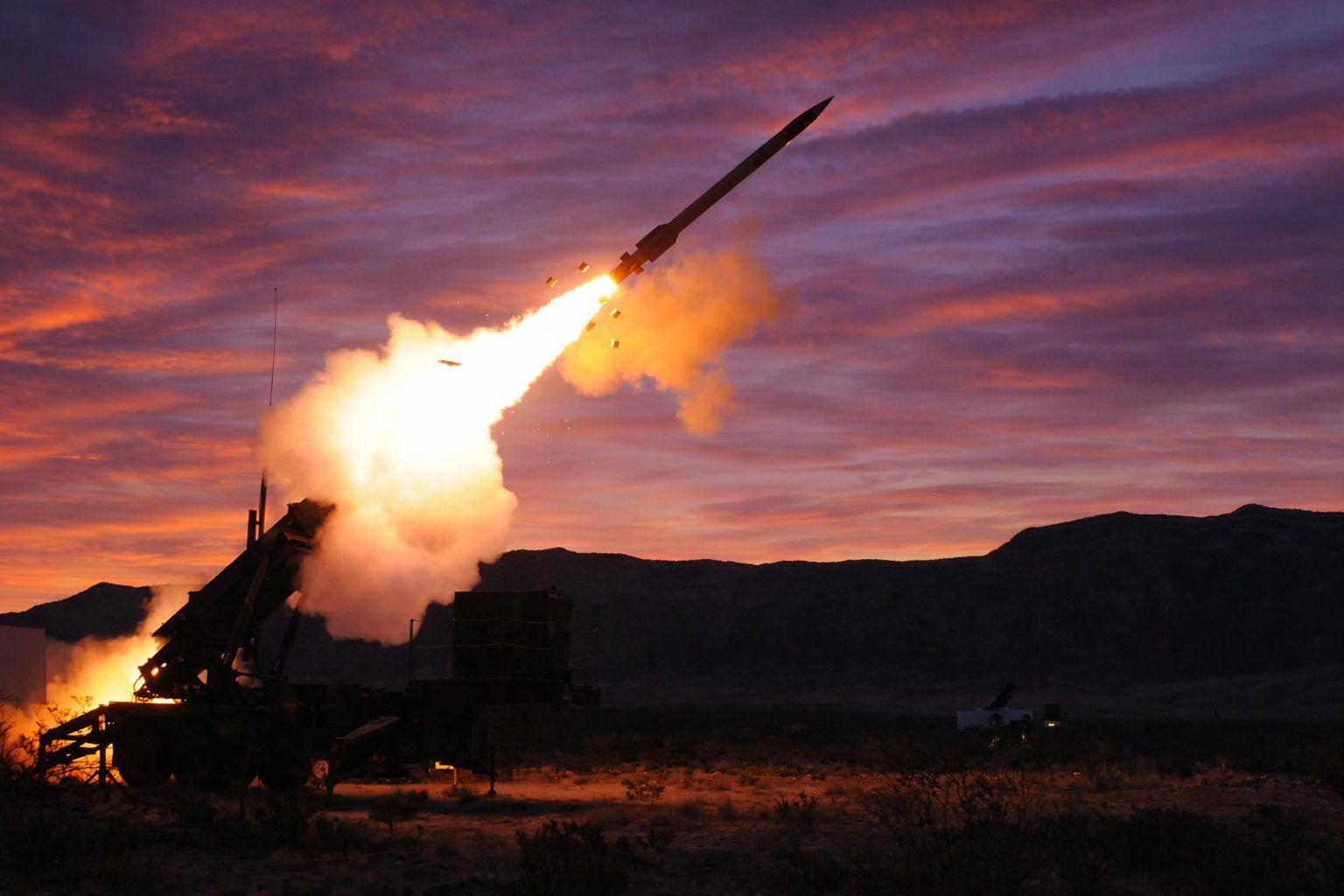
The U.S. Department of War said it has signed a seven-year framework agreement with Lockheed Martin to lift annual production of the PAC-3 Missile Segment Enhancement (MSE) — a Patriot interceptor meant to hit incoming missiles — to about 2,000 units from roughly 600. The department said it will also work with key suppliers on seven-year subcontracts, part of what it calls a new acquisition model. Michael Duffey, the under secretary for acquisition and sustainment, called it “a fundamental shift in how we rapidly expand munitions production.” U.S. Department of War
Demand for Patriot interceptors has climbed as the United States and allied countries push harder on air defenses amid broader geopolitical tensions. Lockheed supplies PAC-3 to the United States and 16 other countries, including Sweden, Qatar, Japan and Poland, and the Patriot system is among the weapons the West has sent to Ukraine, the company said. In September 2025, Lockheed was awarded a $9.8 billion contract for 1,970 Patriot missiles, the largest order ever placed for the weapon, it added. Reuters
The PAC-3 is engineered to strike and destroy inbound threats, including tactical ballistic missiles and cruise missiles. The MSE variant uses a two-pulse rocket motor that extends its reach to higher altitudes and longer ranges, industry reporting showed. The production push comes as the Pentagon works on what it has described as a “Golden Dome” missile defense effort and as partners seek more air-defense interceptors. Defense News
Lockheed said the framework is meant to give industry longer demand signals and a financing approach aimed at keeping early cash flows roughly neutral as suppliers invest. Chief executive Jim Taiclet said the deal should create “unprecedented capacity for PAC-3 MSE production.” Lockheed said it expects an initial contract award in final fiscal 2026 congressional appropriations. Media – Lockheed Martin
Taiclet has said Lockheed is aiming for the 2,000-a-year rate by the end of 2030, leaning on existing factory floor space while adding workers, tools and automation. The draft structure includes inflation provisions and reimbursement for certain one-off engineering costs — essentially the up-front design and tooling bill — if Congress or the Pentagon shortens the agreement, but the first award still depends on lawmakers signing off on the funding. Tom Karako, a missile defense analyst at the Center for Strategic and International Studies, said, “The demand signal is massive,” but warned the ramp likely reflects hard limits in supply chains as much as need. Breaking Defense
The PAC-3 is one of several interceptor types used in the Patriot air and missile defense system, which RTX’s Raytheon markets globally. Raytheon says Patriot ties together radars and command-and-control with multiple interceptor options, and it pitches the system as a core air-defense layer for 19 nations. RTX
The agreement also lands in a harsher political climate for big defense contractors. President Donald Trump said on Wednesday he would block dividends and share buybacks by defense firms until they speed up weapons production, but did not spell out how he would enforce it. Reuters
For Lockheed and its suppliers, the bet is steadier orders in exchange for bigger up-front investments that are hard to justify on one-year contracts. For the Pentagon, it is a wager that predictability buys speed — and that the money holds together when the first binding awards hit Capitol Hill.