
MANILA, June 7, 2026, 00:05 PHT
Philippine Airlines brought on ex-Malaysia Aviation Group boss Datuk Captain Izham Ismail and ex-Shell Philippines chair Edgar O. Chua as new independent directors. The hires put more outsiders in the boardroom as the carrier ramps up spending for new long-haul jets and international routes. Parent company PAL Holdings detailed the appointments in a June 1 SEC Form 17-C filing.
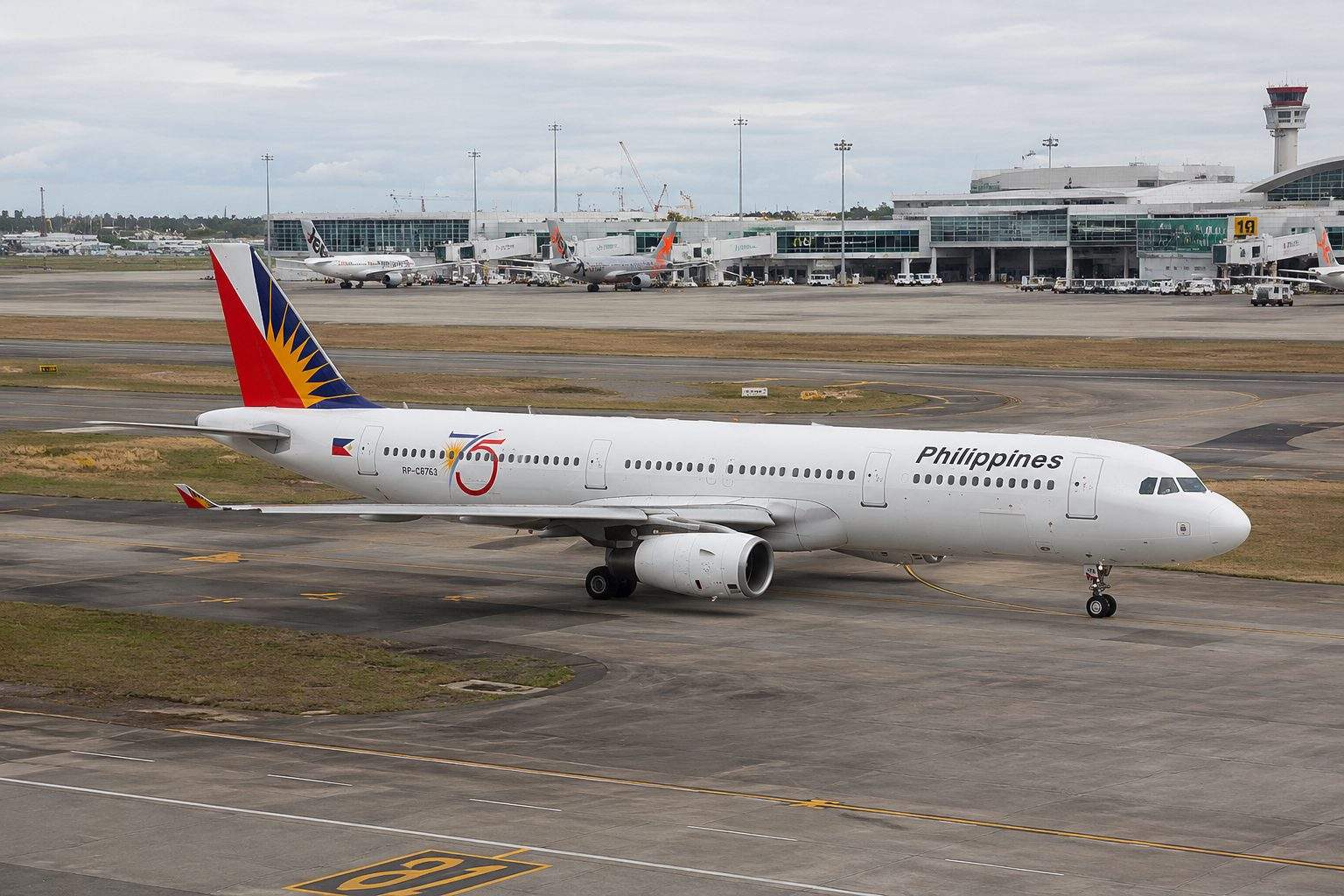
Board changes at this time hit as PAL puts a second Airbus A350-1000 on the Manila-Toronto route starting June 5. Toronto becomes its second North American destination to get the carrier’s newest flagship, after New York. The move is meant to bring in more premium and long-haul travelers, going beyond just holding onto local market share.
Airbus said Philippine Airlines is buying nine A350-1000 widebodies as part of its “Ultra Long Haul Fleet” plans, looking at nonstop Manila service to North America. The project targets U.S. East Coast and Canada flights. The A350-1000 is a twin-aisle jet built for long routes. Airbus
Izham’s appointment started June 1, Business Traveller said. He joined Malaysia Airlines as a pilot in 1979 and rose to group managing director in 2017. The report said he trained at Philippine Airlines Aviation School in Manila from 1979 to 1980, tying the new post to both PAL and the regional airline scene.
PAL chair and CEO Lucio C. Tan said Edgar Chua’s business experience and Izham Ismail’s aviation skills will help drive the airline’s growth and governance targets. Tan called Izham’s “global aviation expertise” an asset for the board. InsiderPH
Chua steps in with a different background. He is chair of the Makati Business Club and was head of Shell Philippines before this. PAL is tapping that as airlines weigh issues like fuel, regulation, and capex.
Izham’s background is closely linked to airline repair. AeroTime said he worked at Malaysia Aviation Group for over 40 years before retiring Jan. 31, 2026, and led a restructuring in 2021 that slashed more than $2 billion in debt and secured new capital from Khazanah Nasional, Malaysia’s sovereign wealth fund.
PAL isn’t coming off soft numbers. The airline booked net income of $160.4 million for 2025, up 6.1%, with $3.22 billion in revenue. Passenger volume hit 16.3 million. President Richard Nuttall said this was a shift from “post-pandemic recovery to sustainable, long-term growth.” AeroTime
Costs are the sticking point. Operating expenses jumped 6.3% to almost $3 billion in 2025, running ahead of revenue growth. Softer fares, fuel, maintenance and local rivals were all cited as pressures on margins. Business Traveller flagged uncertainty on A321neo deliveries as well as widebody retrofits, which could take two to three years with limited seats and materials.
Mixed picture on competition. Cebu Pacific and AirAsia Philippines still shape local short-haul supply and fares, but PAL’s board changes are aimed at premium seats, transpacific routes, and the tougher math of long-haul jets.
PAL has put its second A350-1000 into service, adding more long-haul seats for passengers. The plane has 382 seats in business, premium economy and economy. Toronto gets more flights with the new jet, as the carrier tries to fill the bigger aircraft and use its cargo hold and fuel efficiency on long routes.
The board’s call is more focused. Chua and Izham bring PAL more background in high fuel use, managing debt, and working with fleet cycles. Still, it will come down to how the airline handles aircraft arrivals, keeps costs down, and deals with long-haul demand if competitors continue pushing fares at home.
Related articles: Stock Market