
Sydney, Feb 20, 2026, 18:07 AEDT — The market is now closed.
- PLS closed Friday at A$4.18, slipping 4.6%.
- The miner reported a half-year profit but opted not to declare an interim dividend.
- The board has approved a July restart for the Ngungaju plant, along with a reshaped mid-stream JV deal with Calix.
PLS Group Limited slipped 4.6% to finish at A$4.18 on Friday, undoing some of the gains it logged earlier this week after a flurry of updates around production, capital outlays, and processing strategy landed.
PLS occupies a pivotal spot in Australia’s lithium supply web, so a drop here carries weight. Any mention from the company about bringing plants back online or tweaking capacity usually grabs traders’ attention. It’s not a surefire trigger for price swings, but those decisions can rapidly impact both output and cash flow.
Several threads tangled in the market’s calculus this time: the swing back to profit, an interim dividend kept off the table, and fresh plans to reopen idled capacity while leaning harder into “mid-stream” processing — that in-between step from mining concentrate to battery chemicals.
PLS on Thursday posted first-half revenue of A$624 million and underlying EBITDA of A$253 million—a figure commonly used as a stand-in for operating profit. Net profit after tax landed at A$33 million. The company’s production ticked up 6% to 432.8 thousand tonnes, with sales up 7% to 446.0 thousand tonnes. Realised prices reached US$965 per tonne, while unit operating costs (FOB, not counting shipping) dropped 8% to A$563 a tonne. CEO Dale Henderson said the numbers “reinforc[ed] our low cost position.” The board kept its stance on dividends unchanged, again opting out of an interim payout. Company Announcements
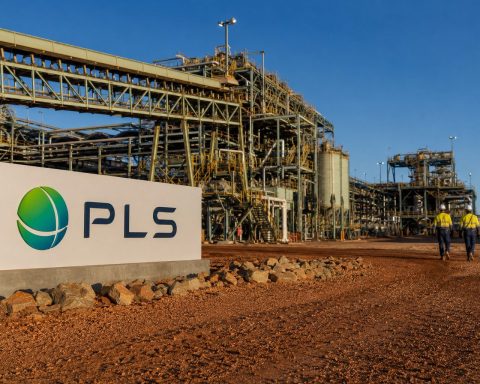
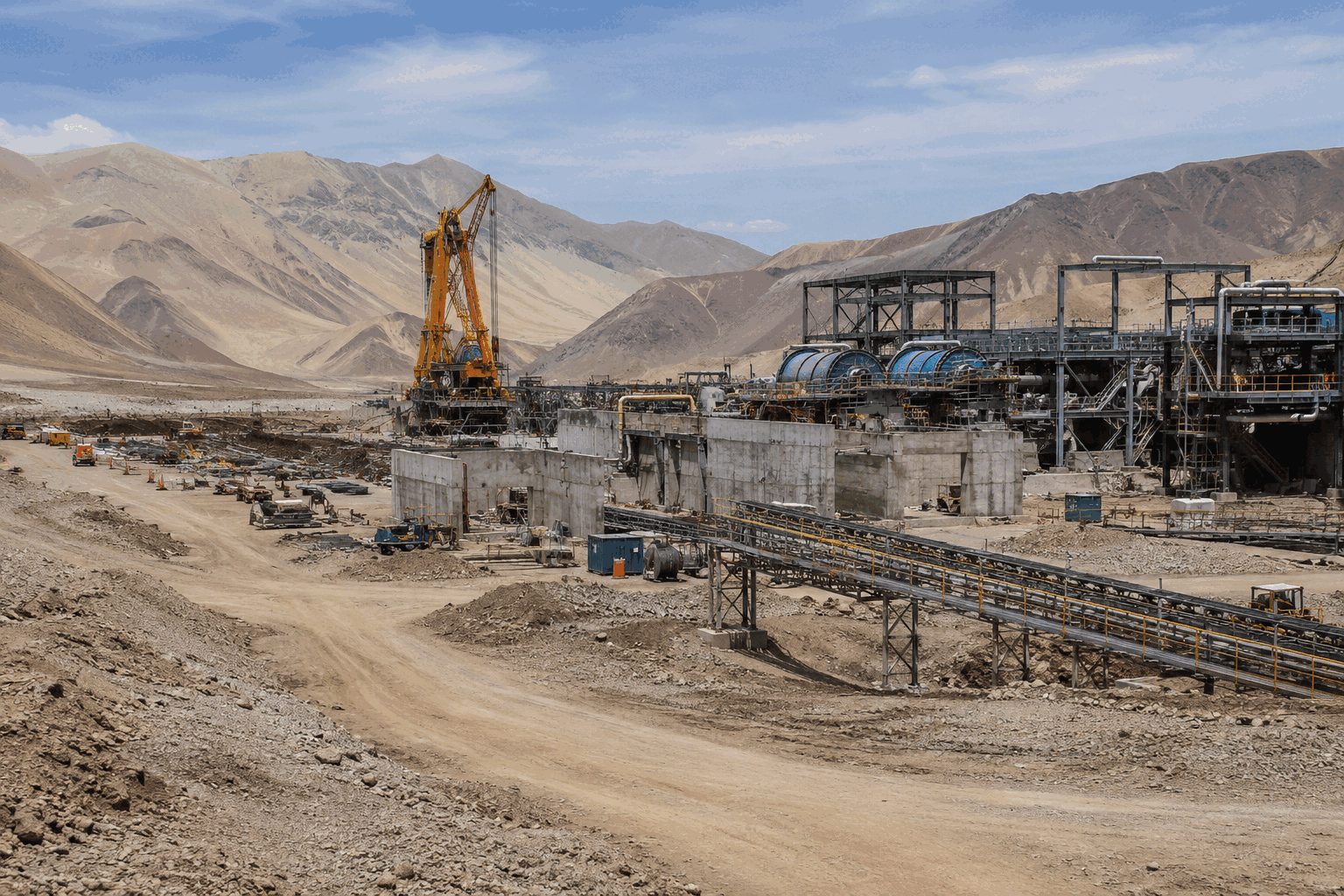
PLS said its board has signed off on restarting the Ngungaju plant, a move that will tack on another 200,000 tonnes a year of spodumene concentrate capacity. Production is now set to pick up again in July 2026. Henderson called the restart a direct answer to “customer contracting and strengthening market fundamentals.” The company is sticking to its FY26 cost and capex guidance. Company Announcements
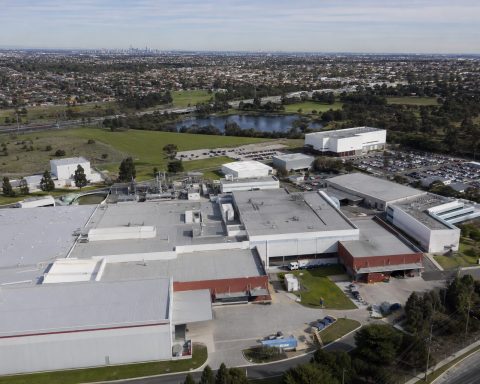
PLS and Calix have shaken up their agreement on the mid-stream demonstration plant. PLS is buying out Calix’s stake for A$11.4 million in cash, according to both companies. Calix will hand over a perpetual, royalty-free licence for its calciner tech, covering certain lithium processing applications. If the technology gets licensed out to third parties, PLS keeps 80% of the royalty stream, leaving Calix with 20%. Calix CEO Phil Hodgson said the goal remains “to significantly reduce the carbon intensity of battery materials.” Henderson pointed to improved “execution certainty and flexibility” from the restructure. The binding term sheet lets either firm walk away if the final documents aren’t signed by April 20. Company Announcements
Bulls got a lift from the cash balance and the profit turnaround. For bears, though, no interim dividend and a fresh spotlight on spending and execution risk stand out—especially with lithium prices as jumpy as they’ve been. Both sides had material to chew on from the string of announcements.
Plenty remains unresolved. Calix’s overhaul hasn’t reached the final paperwork stage, and PLS is juggling timelines: restarting Ngungaju, hitting expansion feasibility targets, all of it riding on costs, smooth commissioning, and the lithium market holding up.
The ASX is shut, so attention shifts to Monday: will sellers keep pressing after Friday’s slide, or does a fresh bid come in? Investors are also eyeing any word on when the demonstration plant will begin commissioning in the “coming months.” They’ll be watching too for signs that PLS and Calix finalize agreements before the April 20 back-stop, and any movement on the planned July Ngungaju restart.