
- Major outage: On Wed. Oct. 15, 2025, all PATCO Speedline trains were abruptly halted during the morning rush. Officials blamed a “PSE&G power issue” for cutting power to the system inquirer.com. The PATCO line (linking Lindenwold, NJ with 16th/Locust in Philly fox29.com) serves ~34,000 riders daily patch.com, and none could board trains as service was suspended with no estimated time for restoration inquirer.com inquirer.com.
- Commuter impact: PATCO urged riders to seek alternate transit immediately inquirer.com. NJ Transit agreed to honor PATCO fares on its own trains, and SEPTA also cross‑honored transfers at 8th St. Station patch.com inquirer.com. Despite these measures, bridges between NJ and Philly backed up with diverted buses and car traffic in midtown.
- Systemic transit woes: The PATCO outage compounded other Philly rail problems. SEPTA Regional Rail faced its own delays from a recent PECO utility outage inquirer.com. Activists seized on the double disruption to criticize chronic underinvestment. 215 People’s Alliance Director Madison Nardy said bluntly, “That is what decades of disinvestment look like,” amid protests over Pennsylvania’s long-overdue transit budget inquirer.com. Indeed, state officials remain without a completed 2025 budget – a deal to fund SEPTA and other agencies has not materialized inquirer.com.
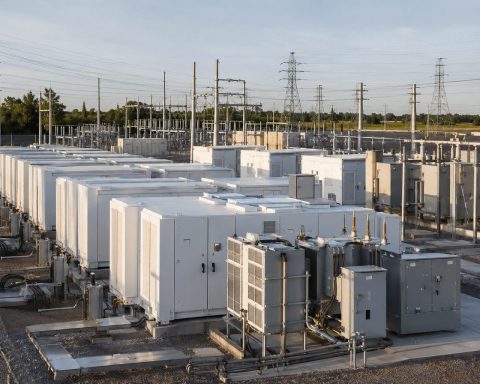
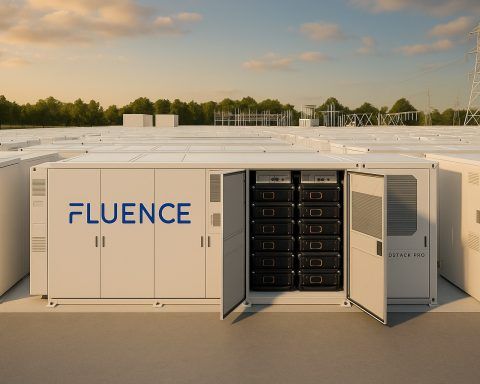
- Market & infrastructure context: Energy utilities and storage firms are under the microscope. PSE&G’s parent, Public Service Enterprise Group NYSE:PEG, was trading near $82 on Oct. 14 business.times-online.com. In the tech/finance world, battery-storage stocks have been surging: for example, Fluence Energy (NASDAQ: FLNC) jumped ~21% on Oct. 13–14 after analysts upgraded the stock, and as U.S. infrastructure proposals earmark $10 billion for storage ts2.tech. Fluence closed around $18.45 on Oct. 15 ts2.tech, and its CEO notes “U.S. demand is booming” – expecting half of Fluence’s orders from America by 2026 ts2.tech. Wall Street sees this as both an opportunity and a risk, given Fluence’s thin margins and cautious analyst ratings ts2.tech ts2.tech.
- Future transit tech: Beyond today’s crisis, industry trackers point to big shifts ahead. A TS2.tech report notes that 92 U.S. cities are actively planning electric air-taxi (eVTOL) networks ts2.tech. Alphabet’s self-driving unit Waymo has even teamed with startup Via to add robo-taxi shuttles into local transit – “paving the path for AVs to become accessible to millions,” as Via’s CEO put it ts2.tech. These innovations signal how urban mobility is evolving, even as basic trains and grids grapple with reliability.
Transit Shutdown: What Happened This Morning
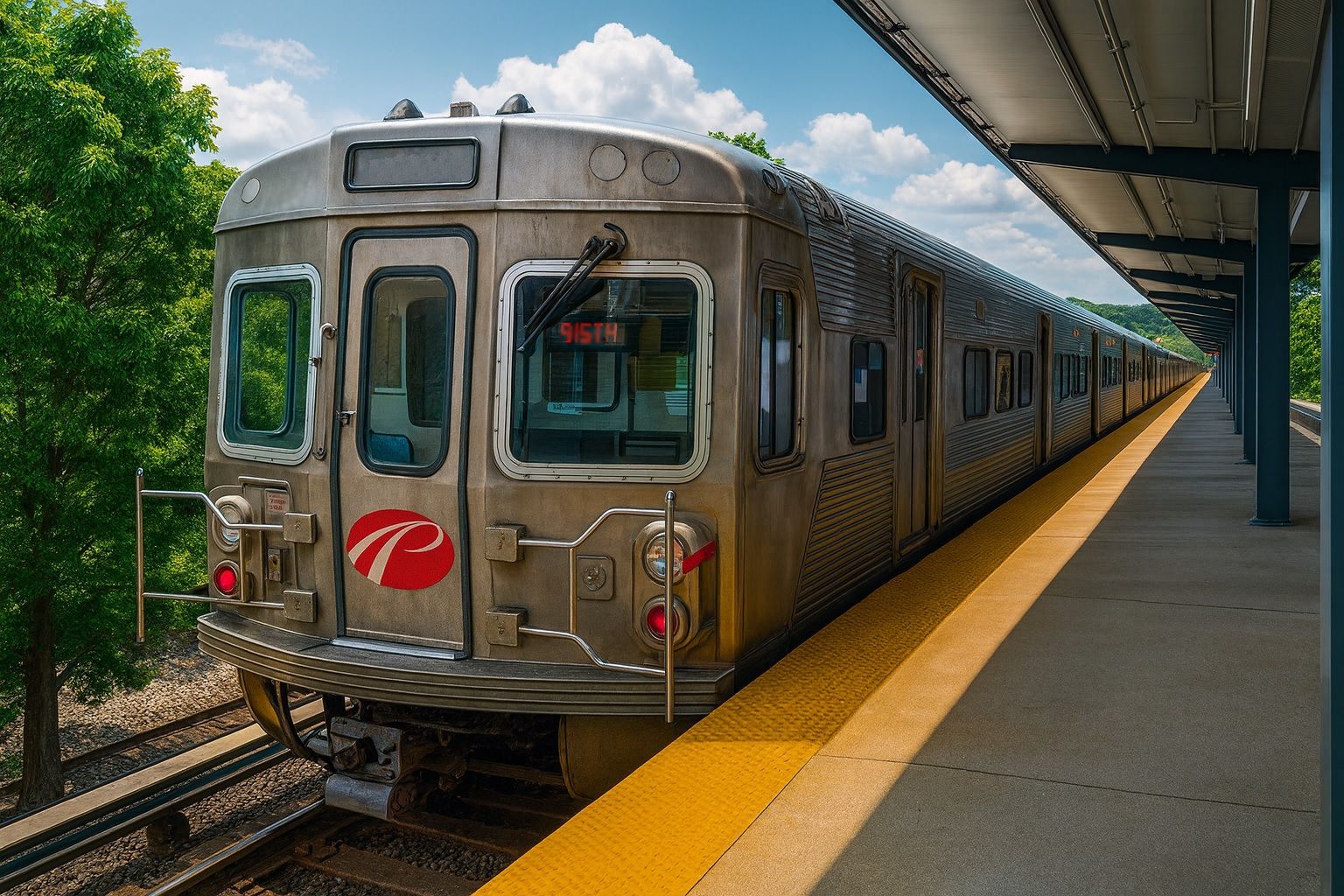
Philadelphia’s regional PATCO Speedline (operated by the DRPA) sputtered to a halt at the worst possible time – the Wednesday morning commute. At about 8:30 a.m., PATCO announced all trains were suspended due to a power failure linked to PSE&G inquirer.com fox29.com. (“PSE&G” is the New Jersey utility that supplies electricity to the line.) By 8:35 a.m. news outlets like NBC10 and FOX29 confirmed the shutdown, noting there was no timetable for service restoration inquirer.com fox29.com. PATCO (which carries roughly 34,000 riders per weekday patch.com) said crews were on site but could not say when trains would resume inquirer.com.
The sudden outage left commuters stranded at closed stations from 15th/16th and Locust St. all the way to Lindenwold. PATCO encouraged everyone to seek alternate travel methods – some Philadelphia-bound riders piled onto SEPTA’s surviving Regional Rail and bus routes. New Jersey Transit also stepped in: Governor Phil Murphy’s office tweeted that NJ Transit would honor PATCO fares on its trains from Camden into Philly patch.com. In crowded SEPTA stations, booth clerks and digital signs echoed the message: cross-honored tickets would get stranded PATCO passengers home.
Widespread Commute Chaos
At the street level, the impact was immediate. The PATCO outage coincided with other troubles: a few days earlier SEPTA had its own drama. On Oct. 9, SEPTA spokesperson Andrew Busch said a “PECO power problem” had momentarily grounded Regional Rail service inquirer.com. (PECO is Philadelphia’s electric utility.) The coincidence of back-to-back utility failures set off alarm bells for commuters and officials alike. On social media and local news, riders shared tales of packed backstreets, impromptu bus bridges, and jammed roadways as the usual rails fell silent.
Local advocates seized the moment to spotlight chronic underfunding. At a protest in Center City, Madison Nardy of the 215 People’s Alliance blamed the crises on “decades of disinvestment” in transit inquirer.com. She noted that the Pennsylvania state budget – normally passed by July – remains unfinished well into October, meaning routine subsidies for SEPTA and other transit are in limbo inquirer.com. Transit union leaders echoed the warning: without stable funding and system upgrades, even minor glitches can spiral into major shutdowns.
Economic and Market Repercussions
Electric grid instability tends to reverberate beyond transit lines – even into financial markets. For context, PSE&G’s parent company, Public Service Enterprise Group (NYSE: PEG), was trading in the low $80s recently business.times-online.com, reflecting generally steady utility valuations amid moderate demand. But more interestingly, Wall Street has been watching “grid resilience” plays. Battery and storage companies have rallied as investors bet on infrastructure fixes. TS2.tech reports that Fluence Energy (FLNC) was trading around $18.45 on Oct. 15 ts2.tech, up sharply after analysts at Susquehanna gave it a “Positive” upgrade (raising Fluence’s 12-month target to $17) ts2.tech. Major investment banks have floated multi-trillion-dollar U.S. plans – including roughly $10 billion for battery projects ts2.tech – which would benefit grid-scale storage providers. Fluence’s CEO even predicted that generative-AI and data-center demand will push about half of Fluence’s orders to the U.S. by 2026 ts2.tech. Still, cautions abound: Fluence has yet to turn a profit, and most analysts rate it a “Hold” ts2.tech.
Energy-sector investors will also watch PSE&G’s parent carefully. If outages become more common, there could be pressure on utilities (and on regulators) to accelerate grid upgrades. Already, public interest is high: on Oct. 14, a JPMorgan executive unveiled a 10-year, $1.5 trillion infrastructure proposal, with $10 billion earmarked for energy storage and grid modernization ts2.tech. Such policy moves – coupled with the PATCO incident – may shape Wall Street’s bets on which stocks to buy (or avoid) in utilities, renewable energy, and transit equipment.
Looking Ahead: Next-Gen Transit Solutions
Beyond stock charts, the PATCO outage has prompted “what if” thinking about transit’s future. Urban planners and tech firms envision new mobility options that would never be grounded by a single utility glitch. For example, an industry report highlights that about 92 U.S. cities (including New York, Chicago, Miami, etc.) are actively planning networks of electric air taxis (eVTOL aircraft) for urban commuting ts2.tech. Vertical “skyports” and short-haul air routes are being prototyped around the country. Closer to ground, autonomous vehicles are being woven into transit networks: Alphabet’s Waymo unit recently partnered with startup Via to allow passengers to summon driverless robo-taxis on public routes in Phoenix-area Chandler, AZ. Waymo’s CEO calls this a step toward making AVs “accessible to millions” of transit riders ts2.tech.
Of course, these futuristic systems are still years away from daily use. For now, the PATCO power failure stands as a stark reminder that even the most modern urban transit can be taken down by a single utility outage. Authorities say engineers are working to restore PATCO power and hope to resume service soon. In the interim, Philadelphia’s commuters will remain stranded on buses and subways – and everyone from public officials to transportation investors will be watching. The incident has underlined the urgent need for investment in reliable infrastructure (from solar and batteries to spare grid lines) as cities pursue both traditional transit and bold new technologies masstransitmag.com inquirer.com.
Sources: NBC10/Fox29 local news reports inquirer.com fox29.com; Philadelphia Inquirer timeline inquirer.com inquirer.com; PATCO press data patch.com; TS2.tech analysis of energy/transit stocks ts2.tech ts2.tech and transit innovations ts2.tech ts2.tech; market data for PSE&G business.times-online.com; utility/transit context inquirer.com masstransitmag.com.
Related articles: NASDAQ:FLNC