
FRANKFURT, June 24, 2026, 10:27 CEST
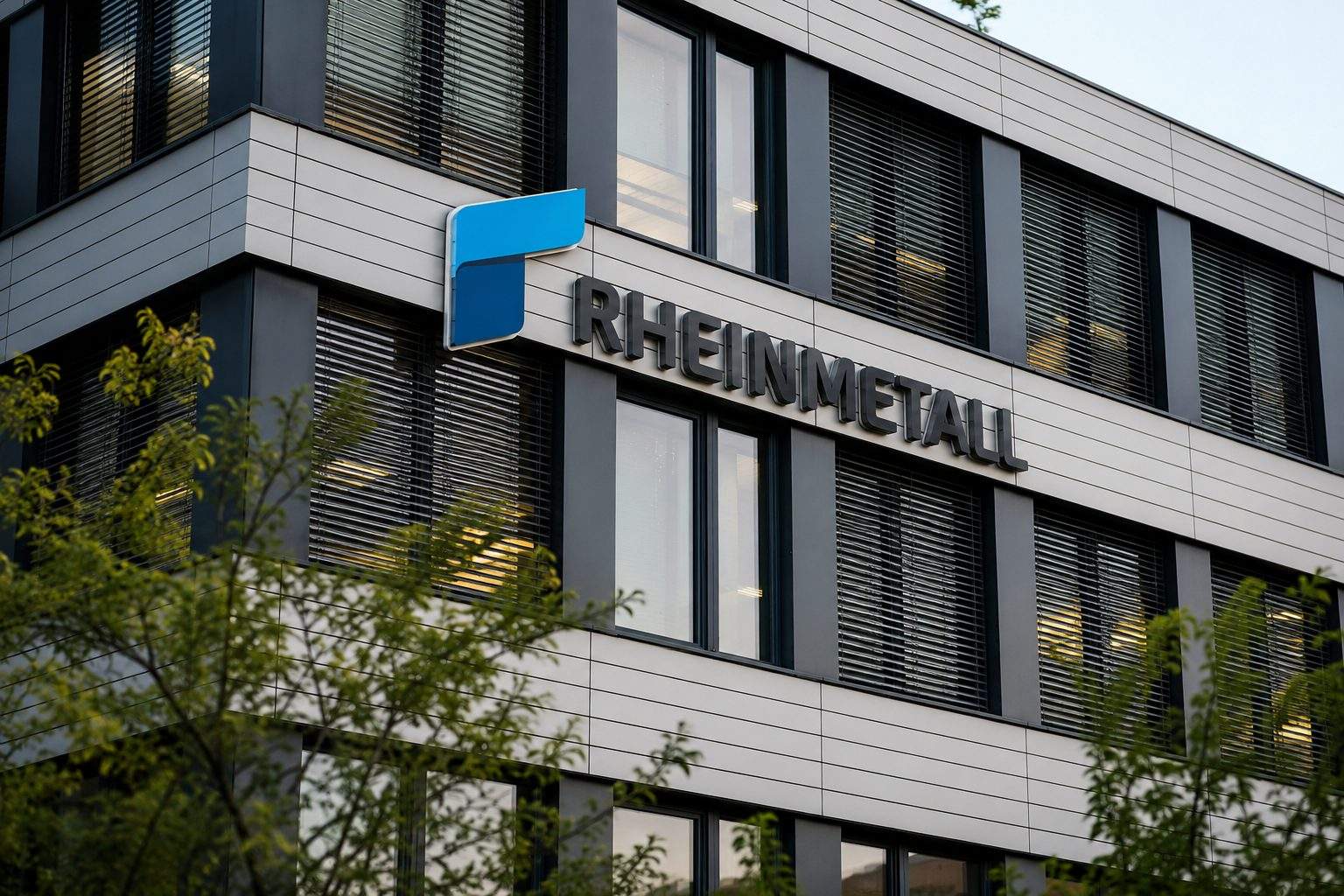
- Rheinmetall dropped 13.5% to €1,009 at 10:04 CEST after dipping to €972 earlier. TKMS moved up on reports that Berlin could shift frigate contracts.
- Rheinmetall lost about €7.4 billion in market value in a single day, wiping out close to 60% of the €12 billion F126 deal it was after.
- The drop adds new pressure to Rheinmetall’s defence-only push after it sold its auto unit and moved into naval projects.
Rheinmetall AG shares tumbled Wednesday, as investors question more than the loss of a single German warship contract. At issue now is how much of the stock’s premium comes down to Berlin’s willingness to hand Rheinmetall fresh, complex naval projects.
Shares dropped 13.5% to €1,009 at 10:04 CEST, after touching €972, which Google Finance listed as the 52-week low for the stock. There are 46.66 million shares outstanding. The €157.60 drop erased around €7.4 billion in market value during morning trading in Frankfurt. The lost contract would have brought revenue spread over years, not immediate profit.
Rheinmetall shares tumbled after a report said Germany would drop plans to build its largest warship since World War Two and turn to eight smaller frigates from rival TKMS. Rheinmetall lost 12.3% as of 0715 GMT, according to Reuters. Shares in TKMS jumped 8.7%. The STOXX Europe aerospace and defence index slipped 1.7%, with defence leading sector declines early in Europe.
The drop in market value is nearly three-fifths of the €12 billion Rheinmetall had aimed to get from Germany for the F126 frigate program. CEO Armin Papperger told analysts in May, “The biggest contract will be for sure F126, where we expect that in Q2 there could be a signing.” Reuters
The ratio tells the story today. The selling isn’t only about what F126 sales might look like. It’s also investors pulling back trust in Rheinmetall’s push from land arms and ammo into naval gear, where contract risk, software hold-ups and yard execution are all tougher to price.
Rheinmetall is moving to focus more on defence as it makes changes to the business. Earlier this month, it struck a deal to sell its automotive unit to AEQUITA for about €350 million, a deal Rheinmetall expects to close in the fourth quarter. The auto business made roughly €2 billion in revenue in 2025. Rheinmetall said selling the division fits with its plan to become a defence group across land, sea, air, and space.
The frigate project matters more than just a single contract. Back in March, Rheinmetall kept its 2026 sales target at €14 billion to €14.5 billion and said the order backlog could jump past €135 billion this year. CFO Klaus Neumann flagged issues with cash flow too: “We see potential to generate significantly more cash, but it’s highly volatile.” Free cash flow conversion shows how much operating profit actually turns into cash after capital spending. Reuters
Some analysts saw execution risk as the key issue for the stock. Morningstar equity analyst Loredana Muharremi, CFA, said in May that investors had concerns about execution misses, slow backlog conversion, naval uncertainty, and ceasefire risk. But she said: “We see all five concerns as overblown.” After Wednesday’s move, the naval issue isn’t just theoretical anymore. Morningstar
TKMS stands to benefit directly if there’s a move to smaller Meko A-200 frigates. Another factor is KNDS, which makes Leopard 2 tanks and Caesar howitzers. KNDS said Wednesday it wants to list 20% of its shares in Frankfurt and Paris in an IPO, or stock-market listing, which sources put at a €15 billion valuation. That would add another big European defence name for investors weighing Rheinmetall.
Downside risk is still on the table. Reuters called the F126 story a media report, not an official award from Germany. If Berlin revives any of the programme, splits contracts, or hands Rheinmetall a different job at sea, shares could recover some of Wednesday’s drop. But if the cancellation sticks and TKMS gets the contract, the market may mark down Rheinmetall’s naval growth plans and look more at cash, margins, and how quickly its big backlog turns into paid work.
Related articles: Defense Industry