
London, May 7, 2026, 10:15 BST
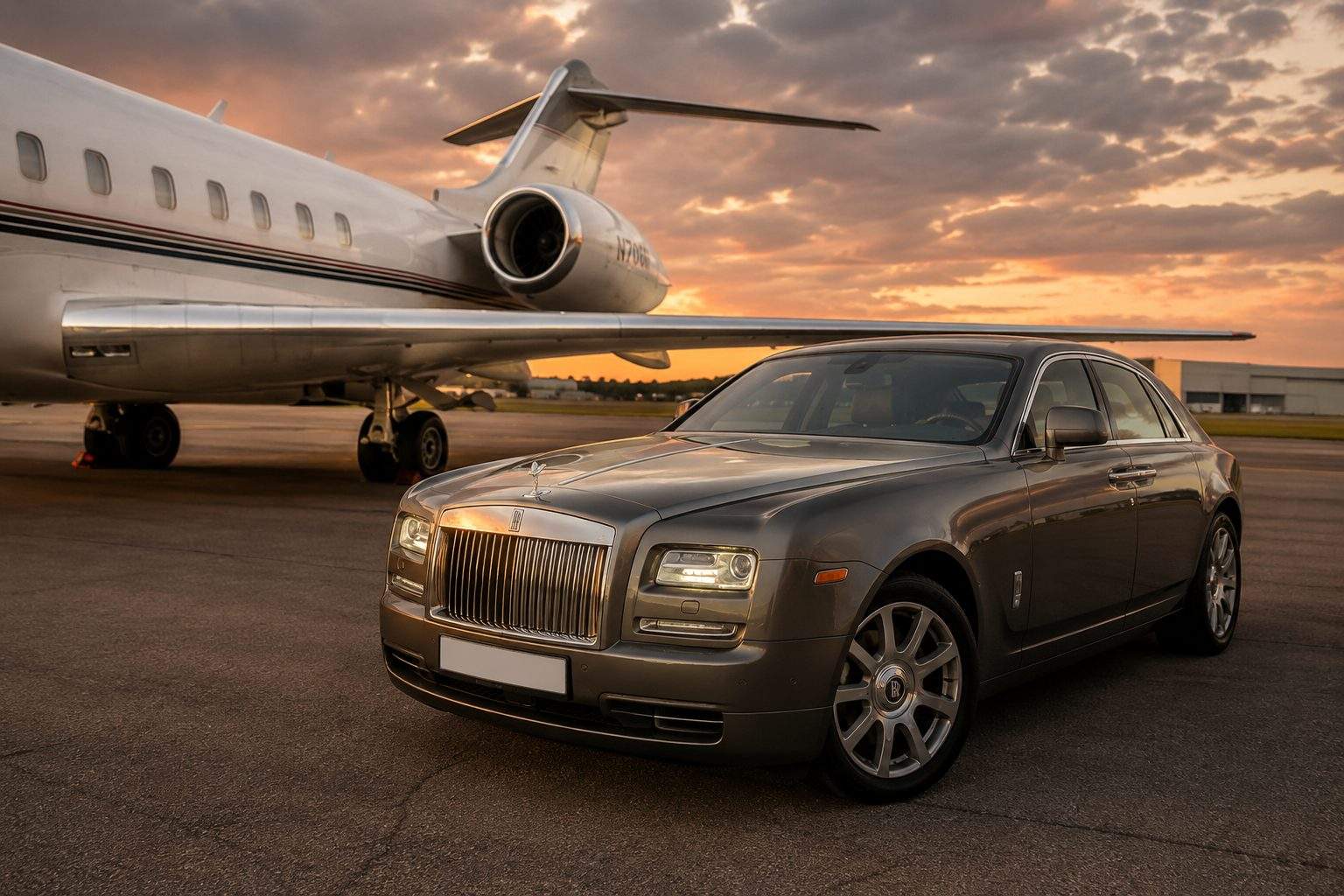
Shares in Rolls-Royce Holdings plc RR.L climbed 1.1% to 1,293.7p in London trading Thursday, building on a 6.4% jump to 1,279.2p at Wednesday’s close. Investors appear reassured by the company’s steady 2026 outlook and an ongoing share buyback.
That shift is notable—shares had been feeling the heat lately, with investors fretting that Middle East turmoil could ground flights and put a dent in Rolls-Royce’s service revenue. According to the company, large engine flying hours—a closely watched indicator for aftermarket cash flow—climbed 5% in the first quarter, hitting 115% of 2019 levels. Rolls-Royce is sticking to its full-year forecast: flying hours should land at 115% to 120% of those pre-pandemic numbers.
There’s also the capital-return angle playing out here. On Wednesday, a regulatory filing revealed Rolls-Royce scooped up 3.8 million ordinary shares between April 28 and May 4 as part of its £2.3 billion buyback effort. Since kicking off the programme, the company has snapped up 50.9 million shares at a weighted average of 1,200.81p, all slated for cancellation.
Chief Executive Tufan Erginbilgic isn’t letting the conflict distract from the company’s priorities. He described Rolls-Royce’s start to the year as “strong,” adding that the group expects to “fully mitigate” the financial hit from ongoing disruption. The 2026 targets for underlying operating profit and free cash flow are unchanged, according to the company. Morningstar
The share price now hangs on those targets. Rolls-Royce is sticking with its 2026 guidance: underlying operating profit comes in at £4.0 billion to £4.2 billion, with free cash flow seen between £3.6 billion and £3.8 billion. Underlying profit cuts out certain one-offs and non-operating items; free cash flow is what’s left after operating costs and capex.
The company’s own tally—12 analyst estimates gathered in April—shows 2026 underlying EBIT at £4.13 billion and free cash flow landing at £3.73 billion, both just about lining up with management’s targets. Fast forward to 2028: consensus numbers reach £5.43 billion for EBIT and £5.15 billion for free cash flow. That helps explain why investors are focused on whether this momentum actually lasts, instead of zeroing in on the next quarter’s moves.
The risk here isn’t minor. Aarin Chiekrie, equity analyst at Hargreaves Lansdown, flagged that certain newer engines demand more upkeep than operators prefer, and pointed to “execution risk.” If management fails to hit improvement targets on schedule, he said, “markets are likely to react poorly.” Hargreaves Lansdown
The competitive picture is mixed. UBS still argues there’s room for Rolls-Royce to run “relative to peers,” citing gains in pricing and margins. The narrowbody segment leans more on CFM International—the GE Aerospace and Safran tie-up—and RTX’s Pratt & Whitney unit. Rolls-Royce doesn’t play in narrowbodies right now, so the stock story hinges on widebody engine hours. Interactive Investor
Management now has a bit more financial breathing room than in the pandemic era. For 2025, Rolls-Royce put underlying operating profit at £3.46 billion, free cash flow at £3.27 billion, and net cash at £1.90 billion. Back in February, the company announced plans for £7 billion to £9 billion of buybacks between 2026 and 2028. Out of that, £2.5 billion is slated for this year.
Beyond civil aerospace, defence, power systems, and nuclear are drawing fresh attention from investors. Rolls-Royce SMR landed a contract from the UK government on April 13 to kick off work on the country’s first small modular reactors—factory-built nuclear plants—with £2.6 billion earmarked for the programme as a whole.
Rolls-Royce’s next big date lands July 30 with its first-half results. Between now and then, RR.L shares will likely move on three fronts: engine flying hours, the rate of buybacks, and whether Middle East disruptions remain in check.
Related articles: Stock Market