New York, January 6, 2026, 12:35 EST
- Sandisk shares jumped more than 23% in midday trade, leading a broad rally in storage and memory stocks.
- Nvidia’s CES announcements spotlighted the rising “context” data AI systems must store to answer long prompts.
- Sandisk this week rolled out new “Optimus” SSD branding and analysts flagged a stronger 2026 demand setup.
Sandisk shares jumped 23.4% to $338.26 in midday trade on Tuesday, leading a renewed run in storage and memory stocks linked to AI data-center spending. Micron rose 6.4%, Western Digital gained 15.3% and Seagate added 12.3%. Sandisk was on track for its biggest one-day rise in nearly a year. MarketWatch
Traders pointed to Nvidia’s message at CES that serving AI models is reshaping what data centers need to keep close at hand. Nvidia said its new Inference Context Memory Storage Platform is designed to store and share the “key-value” cache — the running record of prior tokens that helps chatbots maintain context in long conversations. “AI is revolutionizing the entire computing stack — and now, storage,” Nvidia CEO Jensen Huang said. NVIDIA Investor Relations
Nvidia told Reuters its next-generation Vera Rubin platform is in “full production” and is aimed at lifting performance when AI systems generate responses, not just when they are trained. Huang said the platform adds a layer of “context memory storage” to help chatbots answer long questions faster, and argued proprietary data formats underpin the step up. “This is how we were able to deliver such a gigantic step up in performance,” he said. Reuters
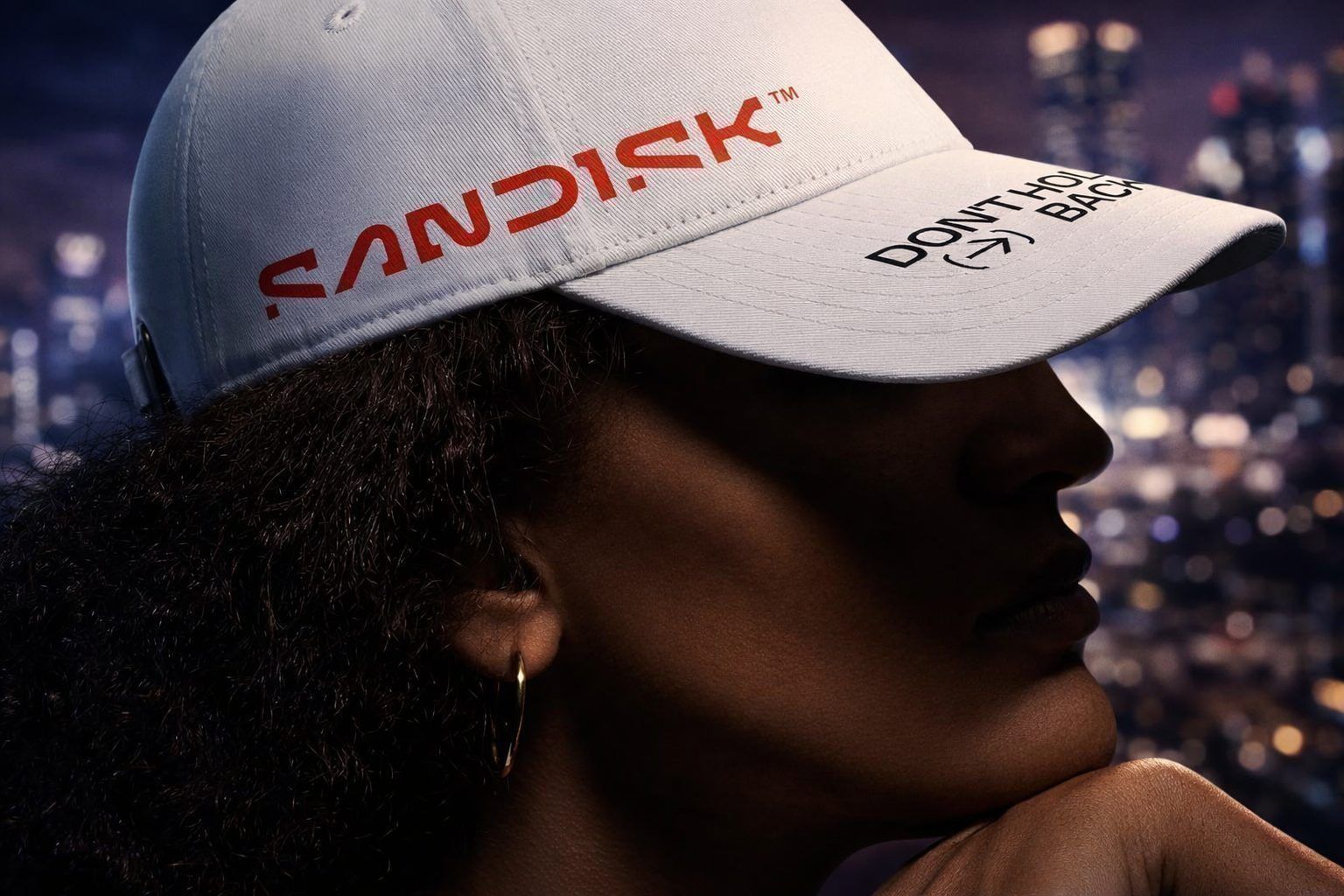
Sandisk used the CES stage in Las Vegas to refresh its consumer SSD lineup — storage drives that use NAND flash memory chips — under a new “Sandisk Optimus” brand, replacing its former WD Black and WD Blue labels. The company said the Optimus GX Pro tier is aimed at developers and professionals building AI PCs and workstations, with products carrying the new branding expected to reach select retailers in the first half of 2026. “The SANDISK Optimus brand redefines what performance means for consumer needs,” said Heidi Arkinstall, Sandisk’s vice president of global consumer brand and digital marketing. Sandisk
Barron’s said Sandisk’s spike had no single obvious catalyst, but noted the stock has been trading as part of a wider bet on improving memory fundamentals. Reports of rising DRAM prices — DRAM is the “working” memory used in servers and PCs — have helped lift sentiment across the sector even though Sandisk’s core products are NAND-based SSDs. Barron’s
Sandisk has been one of the market’s standout winners since Western Digital spun off the business, with the stock up more than 800% since the separation, the Associated Press reported. Investors are watching CES closely this week for signs that big tech companies will keep spending heavily on AI systems — and on the data-storage hardware that supports them. AP News
Zacks Equity Research said Sandisk is increasingly tied to AI infrastructure investment and argued that SSDs are becoming core plumbing for AI workloads that need fast access to large datasets. Zacks put Sandisk’s fiscal 2026 revenue estimate at $10.45 billion, up about 42% from a year earlier, and said the company is engaged with five hyperscale customers — the largest cloud operators — as it pushes enterprise SSD qualifications through 2026. Nasdaq
Western Digital completed the spin-off on Feb. 21, 2025, and Sandisk began trading independently on the Nasdaq under the ticker SNDK on Feb. 24, 2025, a U.S. filing showed. S&P Dow Jones Indices later added Sandisk to the S&P 500 in November 2025. SEC+1