Singapore, Feb 8, 2026, 15:31 SGT — Market’s shut for the day
- Seatrium (SGX:5E2) edged down 1%, closing out Friday at S$2.06.
- GE Vernova and TenneT have crossed a significant milestone in the construction of their offshore wind grid platform.
- Full-year results hit Feb. 26. Cash flow and new orders—those will be the big focus for investors.
Seatrium Limited (SGX:5E2) slipped 1% to wrap up Friday at S$2.06. Singapore markets are closed for the weekend. StockAnalysis
The clock is ticking. Fresh offshore wind deals are circulating, and that results date isn’t far off. Traders are restless for details—talk of new projects has picked up, but everyone’s waiting on the numbers.
Project milestones and deadlines are once again driving Seatrium’s share moves this week. Investors respond quickly—sentiment can swing sharply on any change, even in the absence of new filings.
Seatrium is set to release its full-year results for the period ending Dec. 31, 2025, early on Feb. 26, before trading kicks off, the company said in a filing to the Singapore Exchange. SGX Links
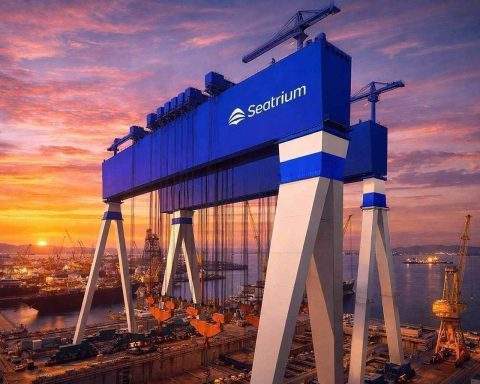
Seatrium, GE Vernova, and Dutch grid operator TenneT have started the “strike steel” milestone—the initial steel cutting—for the Nederwiek 2 offshore converter platform as of Feb. 5, with work divided between Seatrium’s yards in Singapore and Batam, Indonesia. “2026 will get even busier,” said TenneT project director Michiel Cadenau, as three 2GW platforms are set to push further into construction. oedigital.com
These projects use high-voltage direct current, or HVDC, to move electricity over long distances, typically with lower energy loss compared to standard lines. Out at sea, converter platforms pull in power from wind farms and send it ashore via cables.
Seatrium’s newest offshore-wind win hands investors a tough mix: the order book swells, but so does risk on the ground. These projects tie up cash for years, and a single delay or cost jump can flip the story in a hurry.
On Friday, markets didn’t so much react as drift lower. A slight move, but for a stock that hinges on key milestones and shipment schedules, even a minor shift can snowball when trading picks up again.
But the risk is hard to miss. Offshore and marine engineering isn’t mass production; custom jobs can mean delays, surprise design changes, cost overruns. Margins take the blow, working capital too, and those hits tend to show up quickly in the earnings.
SGX kicks off Monday and Seatrium’s in focus—traders watching whether it reacts to offshore-wind headlines or just drifts with the broader mood. The real signal, though, hits Feb. 26, when Seatrium drops its earnings. Margins, cash flow, and new orders are set to get the microscope, with investors keen on what’s lined up for 2026 and beyond.