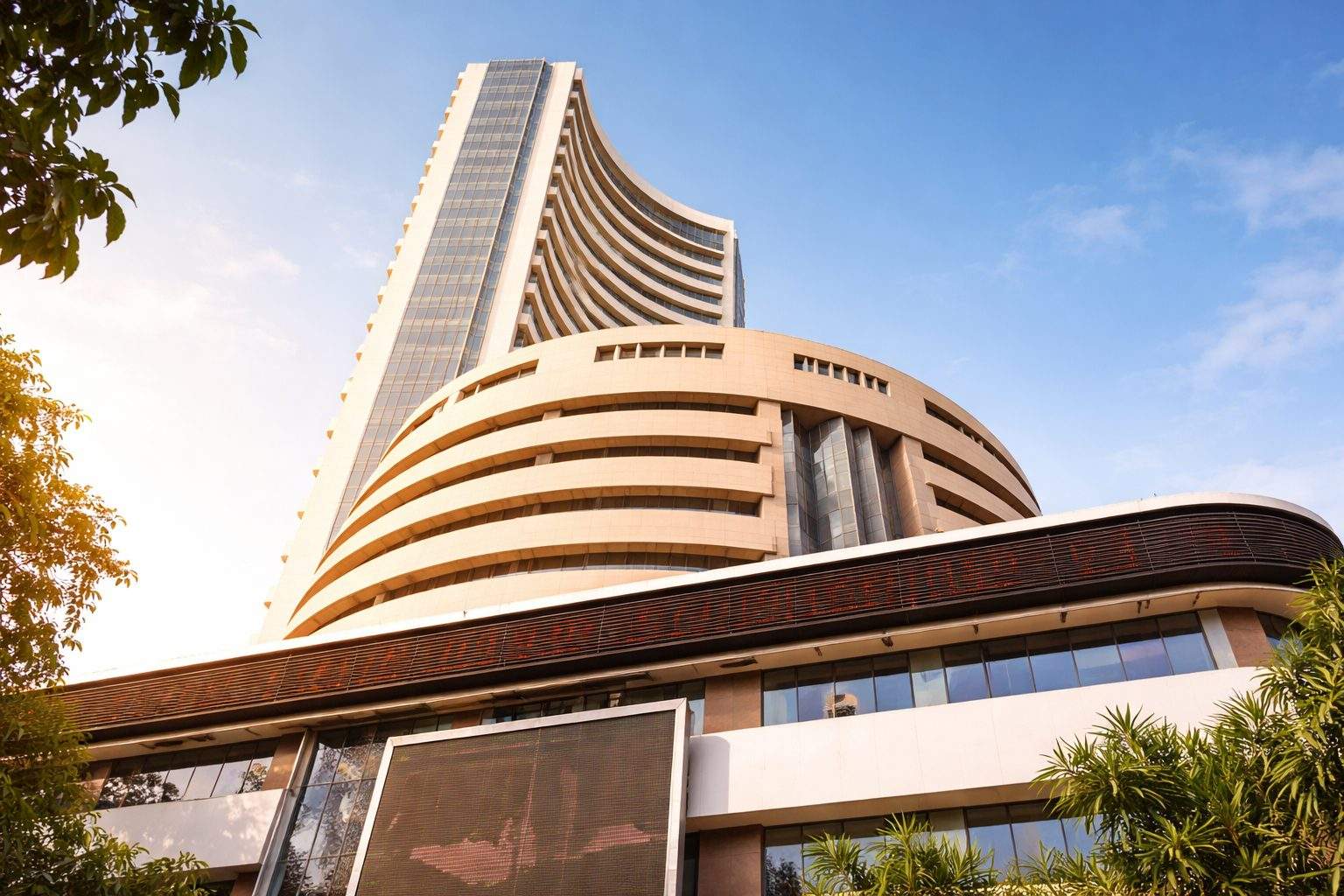
Mumbai, Jan 21, 2026, 16:40 IST — After-hours
Indian stocks ended lower on Wednesday, extending losses after the benchmarks’ steepest drop in over eight months as global trade and geopolitical worries kept foreign investors cautious. The Nifty 50 fell 0.3% to 25,157.5 and the BSE Sensex eased 0.33% to 81,909.63, with small- and mid-cap indexes down 0.9% and 1.1%; foreign portfolio investors (FPIs), or overseas funds, have sold $3.23 billion of Indian shares in January. “A wave of global turbulence has washed over domestic equities,” Deven Choksey, managing director at DRChoksey FinServ, said. Reuters
Tuesday’s rout was broad: all 16 sectoral indexes fell and only 28 of the Nifty 500 stocks ended higher, as tepid earnings and tariff chatter drove a repricing. “Valuations are being reset,” said Dharmesh Kant at Cholamandalam Securities, while Angel One’s Aamar Deo Singh pointed to the lack of a broad rally heading into the Feb. 1 federal budget. The Nifty IT index led losses, with LTIMindtree sliding 6.7% and Wipro down 2.5%. Reuters
The rupee added to the unease, ending down 0.8% at 91.6950 per dollar after touching an all-time low of 91.7425, as traders said the Reserve Bank of India stayed away from supplying dollars. “Flows mainly drive the USD/INR pair,” Shinhan Bank India’s Kunal Sodhani said, adding the RBI could step in if volatility spikes. Reuters
Bank and rate-sensitive shares did much of the damage into the close. The Nifty Bank index fell about 1%, while the Nifty Chemical and consumer durables gauges lost 2.12% and 1.66%, and HDFC Bank slid around 2% to an over nine-month low of 915.4 rupees; PTC India Financial Services dropped 7.58% to 29.64 rupees. “The weakening INR and uncertainties surrounding trade ties may prolong this volatility,” Vinod Nair, head of research at Geojit Investments, wrote in a market note carried by Business Standard. Business Standard
Earnings have not helped. Reliance Industries fell 3% and ICICI Bank dropped 2.1% on Monday after missing estimates, while Wipro sank 8% after forecasting weaker-than-expected March-quarter revenue growth. “It has been a mixed bag of earnings so far,” said Arun Malhotra, a fund manager at CaprGrow Capital, though he cited better commentary from IT firms and strong loan growth at banks. Reuters
There were some bright spots in the churn. CreditAccess Grameen swung to a 252 crore rupee profit for the December quarter from a year-ago loss, helped by lower provisions set aside for bad loans, and it said asset-quality trends were normalising across geographies. “Our third quarter performance reaffirms the strength and stability of our business model,” managing director Ganesh Narayanan said. The Economic Times
In single-stock news, Ola Electric named Deepak Rastogi as chief financial officer from Jan. 20 after its previous finance head stepped down. The e-scooter maker has cut its fiscal 2026 revenue forecast and has lost market share to Bajaj Auto and TVS Motor, Reuters reported. Reuters
Retail was also in focus after Shoppers Stop reported a 69% drop in quarterly profit, citing softer discretionary demand as urban consumers reined in spending amid slowing wage growth. It said demand stayed soft with only intermittent spikes, and flagged intensifying competition; rivals Arvind Fashions, Trent and Aditya Birla Fashion and Retail are still due to report. Reuters
Overseas, investors leaned defensive as Trump revived tariff threats against Europe, pushing up volatility gauges across asset classes. The VIX — an options-based measure often treated as Wall Street’s “fear index” — jumped to an eight-week high on Tuesday, and “it’s a very significant shift,” Ballast Rock Private Wealth’s Jim Carroll said. Reuters
But the market is not one-way. A steadier rupee — possibly on heavier RBI intervention — and a run of earnings beats could pull domestic dip-buyers back in, especially after the sharp two-day slide. The risk is that tariff headlines harden into policy and outflows accelerate, keeping pressure on banks and other rate-sensitive names.
For Thursday’s session, traders will watch the rupee, foreign flows and any signals from Trump’s Davos remarks. The next big domestic marker is the Union Budget on Feb. 1, when Finance Minister Nirmala Sitharaman is scheduled to speak at 11 a.m.; BSE and NSE plan to keep equity trading open even though it falls on a Sunday. The Economic Times