
Mumbai, April 2, 2026, 16:39 IST
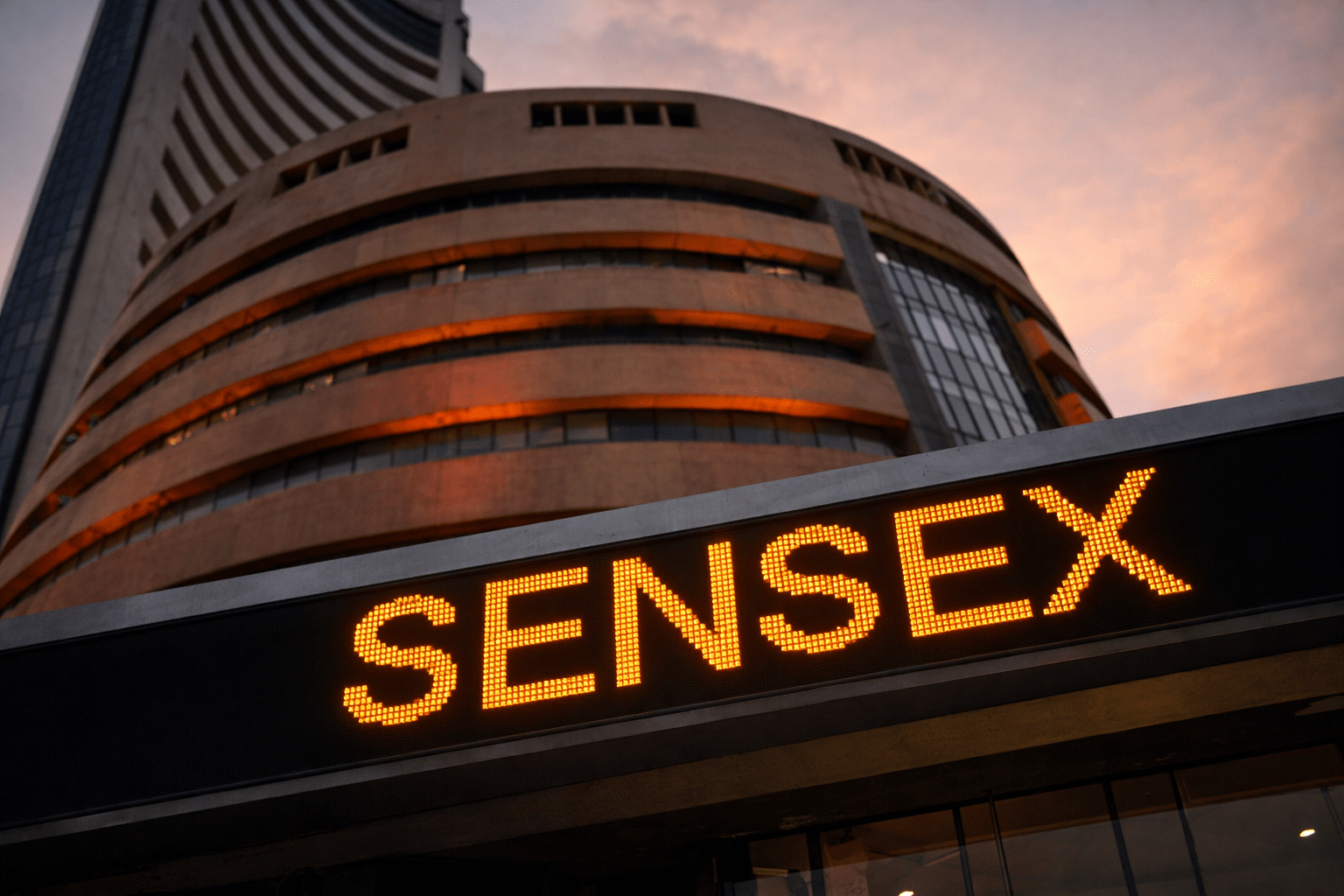
Indian shares swung back from a sharp opening selloff on Thursday to finish slightly higher after Reserve Bank of India action triggered the rupee’s biggest one-day jump since 2013, softening a market shock set off by fresh U.S. threats against Iran. The Sensex rose 0.25% to 73,319.55 and the Nifty 50 gained 0.15% to 22,713.10 after both fell more than 2% intraday, though both still logged a sixth straight weekly decline in the holiday-shortened week.
The reversal did not change the main risk. For India’s energy-importing economy, Brent crude near $109 a barrel and March factory growth at a near four-year low sharpen worries over inflation, margins and growth after U.S. President Donald Trump said Washington would keep up attacks on Iran without offering a clear end point.
Before the bell, GIFT Nifty — the offshore futures contract traders use as a guide to the likely cash open — was down 410 points. By 10:03 a.m. IST, more than Rs 10 lakh crore had been erased from the market value of Sensex companies, NDTV reported from exchange data, and all 16 major sector indexes were in the red.
Banks took the early damage. The Nifty Bank index touched its lowest level since April 2025. Reuters reported HDFC Bank and ICICI Bank were down 1.4% each earlier in the session while State Bank of India fell 2.9%, as Jefferies warned fresh RBI curbs could leave lenders facing 40 billion to 50 billion rupees of losses on currency positions.
The RBI was targeting the so-called rupee basis trade, an arbitrage strategy built on gaps between onshore rupee forwards and offshore non-deliverable forwards, or NDFs, contracts often used to hedge or bet on the currency. Reuters reported banks had built up $30 billion to $40 billion of such exposure since the Iran war began, and the Clearing Corporation of India added a 20% volatility margin on dollar-rupee forward trades on Thursday.
That squeeze sent the rupee to 92.8350 per dollar from the previous day’s record low of 95.21, and it closed at 93.10, up 1.8% on the day. “RBI seems quite serious to follow through on new regulations to control INR weakness,” Michael Wan, senior currency analyst at MUFG, said. Reuters
Oil kept investors jumpy. “Markets are reacting to the absence of any clear mention of ceasefire or diplomatic engagement” in Trump’s speech, Phillip Nova analyst Priyanka Sachdeva said, adding crude could test fresh highs if maritime risks increased. Reuters also reported that U.R. Bhat, co-founder of Alphaniti Fintech in Mumbai, said short covering before the long weekend helped drive the intraday rebound. Reuters
The strain is already spilling into the real economy. India’s HSBC manufacturing PMI, a private survey of factory activity, fell to 53.9 in March from 56.9 in February. “Disruptions linked to the conflict in the Middle East are reverberating through the global economy and weighing on Indian manufacturers,” HSBC chief India economist Pranjul Bhandari said. Reuters
Sector moves stayed uneven. Pharma stocks dropped 3.4% after a Bloomberg report said the Trump administration may target drugmakers that have not agreed to lower U.S. prices, while defence stocks rose, led by a 4.2% jump in Bharat Electronics after India cleared $25 billion of military purchases.
But the relief may prove thin. “This kind of relief doesn’t alter the broader outlook for the rupee, which remains weak,” Mecklai Financial’s Kunal Kurani said, while ETMarkets said a decisive break below 22,200 on the Nifty could revive bearish momentum. Indian financial markets are closed on Friday for Good Friday, leaving traders to take their next cue from oil and the Gulf war when they return next week. Reuters