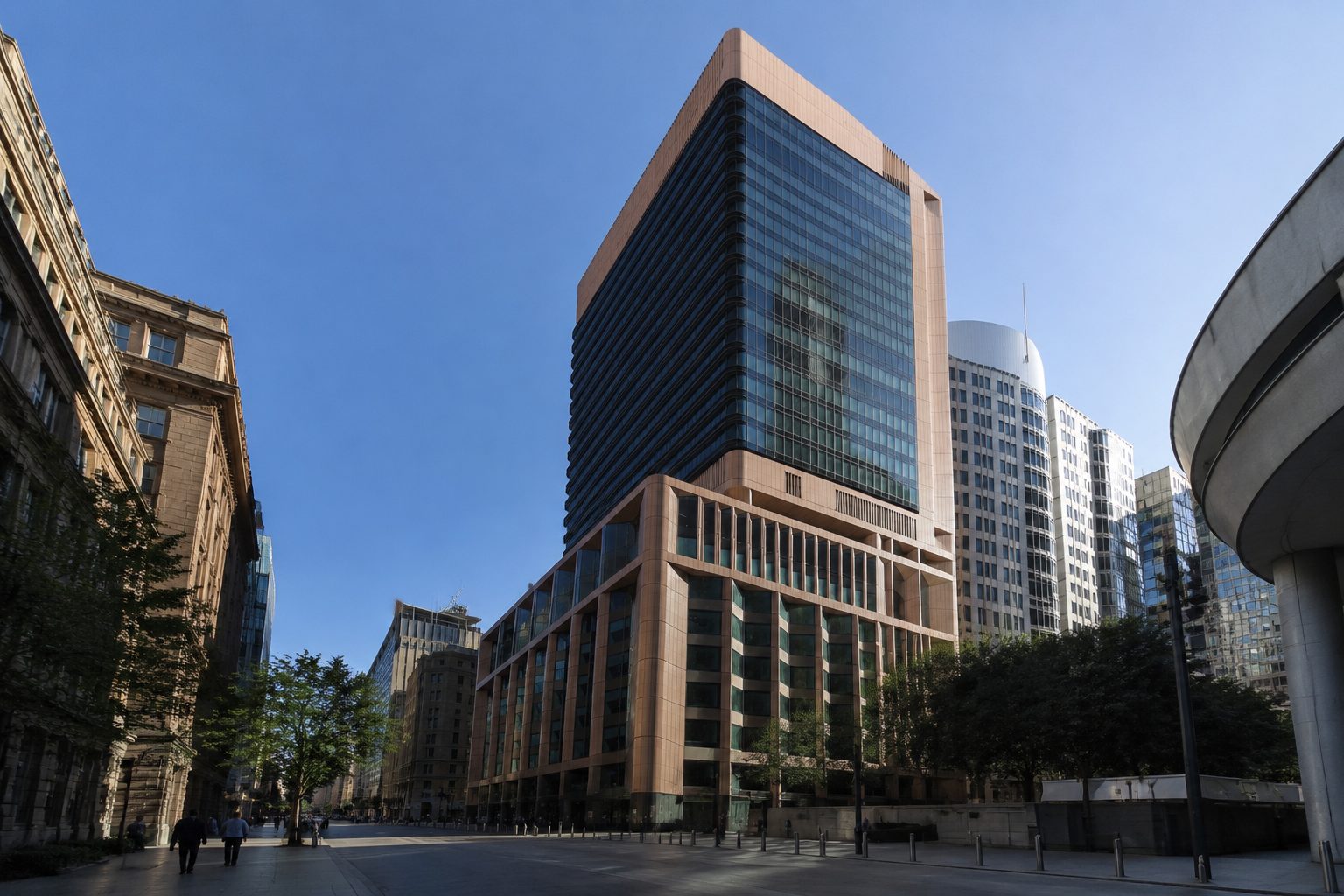

Singapore, Jan 29, 2026, 15:36 (SGT) — Regular session
- Singapore Exchange shares slipped even as the broader STI index inched up during afternoon trading
- SGX added a new UOBAM ASEAN dividend ETF to its lineup, broadening its ETF offerings
- With SGX’s first-half results set for Feb. 5, investors are already adjusting their positions
Shares of Singapore Exchange Ltd slipped 0.17% to S$17.60 Thursday afternoon, underperforming the stronger Straits Times Index. The stock fluctuated between S$17.51 and S$17.64, with roughly 845,000 shares traded.
The modest shift remains significant since SGX is a pure play on market activity. Its earnings fluctuate with trading and clearing volumes, and investors are treating product launches and policy cues as short-term sentiment gauges ahead of reporting season.
All eyes are turning to SGX’s first-half FY2026 earnings, slated for release before the market opens on Feb. 5. A briefing will follow at 9:00 a.m. Singapore time, with CEO Loh Boon Chye and CFO Daniel Koh leading the discussion.
SGX announced Thursday the listing of the UOBAM Ping An FTSE ASEAN Dividend Index ETF, which trades like a stock and focuses on dividend-paying stocks across five ASEAN markets. “ASEAN offers a compelling investment proposition to investors,” said Ng Yao Loong, head of equities at SGX Group. UOBAM CEO Thio Boon Kiat described the region as “a key driver of wealth creation in Asia.” This latest addition brings SGX’s ETF count to 52, with total assets under management exceeding S$18 billion. ShareInvestor
Macro factors stirred after Singapore’s central bank held policy steady but highlighted rising inflation risks. OCBC economist Selena Ling called the statement “a tad more hawkish and less dovish.” Instead of targeting interest rates, MAS manages policy primarily via the Singapore dollar’s exchange-rate band. Reuters
For SGX, the key issue is whether a steady policy backdrop combined with a larger ETF lineup will drive more consistent volumes and fee income, particularly if cash equities stay uneven and derivatives pick up the slack.
Bourse operators across Asia are relying on new products, data, and cross-border access to steady the ups and downs in listings and cash trading. SGX argues that offering a wider range of tradable products helps retain investors on its platform during IPO slowdowns.
But here’s the rub: if volatility dies down and investors retreat from risk, turnover can drop off fast. New listings might provide some relief, but the real engine for SGX’s next growth phase will remain daily trading volumes and how much revenue it can squeeze out of each trade without letting costs balloon.
February 5 brings the next key catalyst: SGX will release its first-half results. Investors will be watching closely for volume figures, fee trends, and management’s outlook on the remainder of FY2026.
Related articles: ETFs







![US Stock Market Today 08/28/2026 [UPDATE: 02:04 EDT] [Marvell Stalls Near Overnight Low as Price Discovery Fades]](https://ts2.tech/wp-content/uploads/2026/08/US-market-dashboard-2026-08-28-0159-480x384.jpg "US Stock Market Today 08/28/2026 [UPDATE: 02:04 EDT] [Marvell Stalls Near Overnight Low as Price Discovery Fades]")