
NEW YORK, May 7, 2026, 11:07 EDT
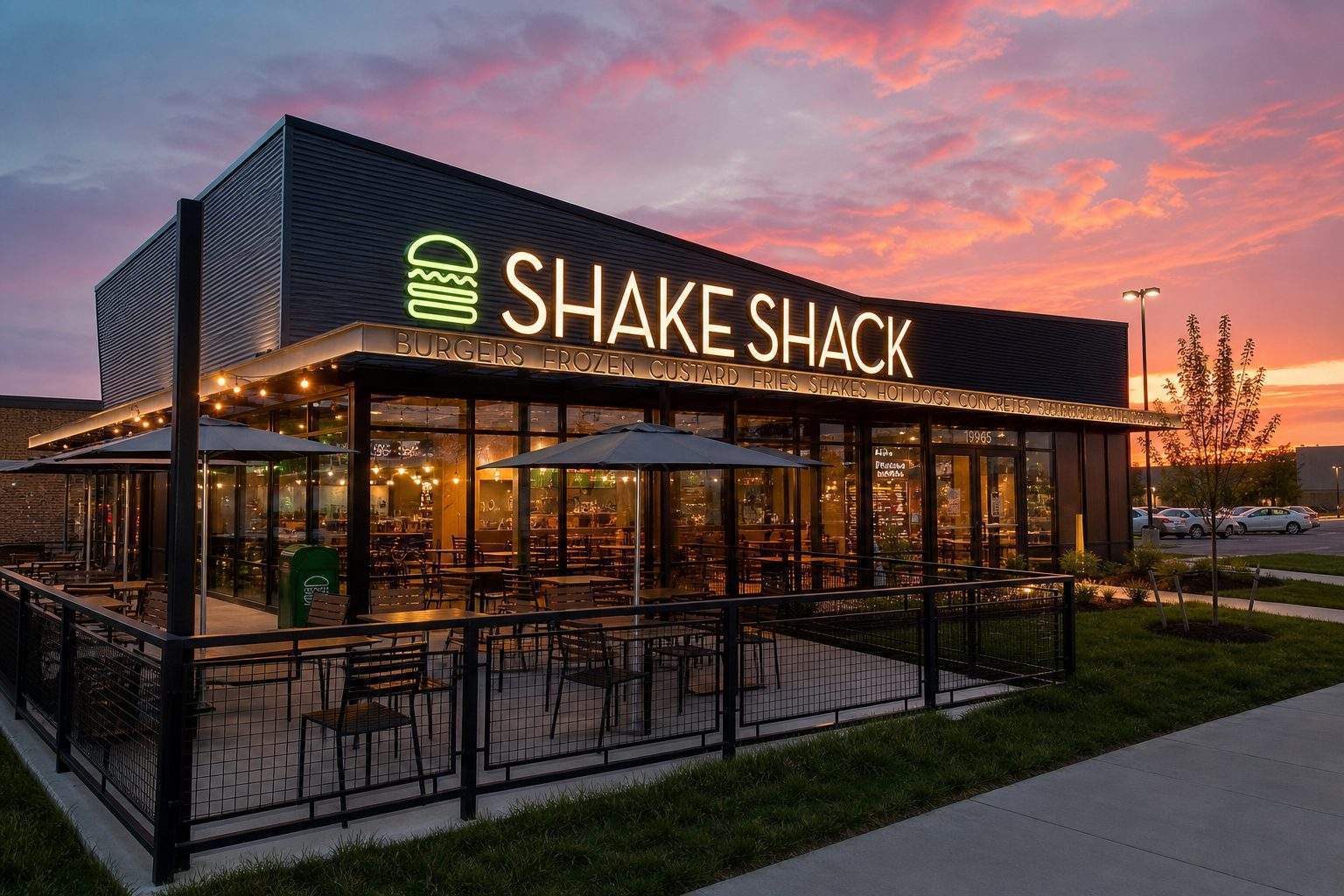
Shake Shack shares tumbled roughly 28%, landing at $69.53 early Thursday after the burger chain posted a quarterly loss, came up short on revenue, and announced Michelle Hook would become its next CFO. The stock dropped as low as $67.21 during the session.
Investors are zeroing in on restaurant chains as stretched wallets and pricier ingredients bite harder. Reuters has pointed out that McDonald’s, Domino’s, and Papa John’s each turned in softer sales growth last quarter. Chipotle, meanwhile, called out higher beef costs as a headwind.
Shake Shack’s first-quarter revenue climbed 14.3% to $366.7 million, missing analyst forecasts for $371.9 million, according to LSEG figures reported by Reuters. The burger chain reported a net loss of 1 cent per share after earning 11 cents in the prior year’s quarter. Adjusted earnings landed flat, with Wall Street looking for 12 cents per share.
The real issue wasn’t headline sales. Shake Shack reported same-Shack sales up 4.6% for locations open at least 24 fiscal months, and traffic climbed 1.4%, according to the company’s shareholder letter.
Margins painted a starker picture. The company swung to an operating loss of $2.6 million, a reversal from last year’s $2.8 million operating profit. Net loss landed at $0.3 million, down from net income of $4.5 million in the prior year. Adjusted EBITDA—a non-GAAP metric that excludes interest, taxes, depreciation, and certain other costs—dropped 9.3% to $37.0 million.
Chief Executive Rob Lynch blamed the weather for a 2.4 percentage point drop in comparable sales, though he insisted that “underlying sales and traffic momentum remained strong.” Shake Shack, for its part, flagged a low-teens percentage jump in beef costs versus a year ago—procurement efforts and tighter cost controls softened part of that blow. SEC
Corporate spending climbed sharply. General and administrative expenses hit $53.6 million, making up 14.6% of revenue—up 190 basis points compared to last year—with marketing, tech, and hiring for growth fueling the increase. Pre-opening costs reached $6.9 million as Shake Shack launched 17 new company-operated stores during the quarter.
The company bumped up its 2026 development target, now aiming for 60 to 65 company-run openings instead of the earlier 55 to 60, and is sticking with its forecast of 40 to 45 licensed locations. For the second quarter, management sees revenue in the $424 million to $428 million range, with same-Shack sales growth expected between 3% and 5%.
Shake Shack has tapped Hook, 51, as its new CFO. She leaves Portillo’s, where she’s held the finance chief post since December 2020, following a 17-year run at Domino’s before that. According to an SEC filing, her new pay package includes a $625,000 base salary, a target annual bonus matching that salary, a $300,000 signing bonus, and restricted stock units valued at $1.2 million on the grant date.
Lynch pointed to Hook’s public company background and her familiarity with the restaurant industry. For her part, Hook described herself as a longtime admirer of Shake Shack’s “disciplined approach to building a beloved brand.” Business Wire
“We’re seeing broader signs of consumer strain across restaurants,” Michael Gunther, senior vice president at Consumer Edge, told Reuters. Investors, he added, are zeroed in on how Shake Shack manages higher beef costs. Reuters
Geopolitics weighing, too. Shake Shack pointed to Middle East conflict disrupting business, forcing some licensed locations to close or cut hours. Executives, according to Reuters, warned investors the war’s impact isn’t going away soon—it’ll keep pressuring near-term numbers.
But there’s not much cushion for another slip-up. Shake Shack’s forecast builds in weaker consumer spending and inflation but leaves out any impact from tariffs; in its risk section, the company pointed to possible holdups with new locations, supply issues, higher labor expenses, and the challenge of driving more sales at current stores.
![Australia Stock Market Today 27/08/2026 [UPDATE: 12:45 AEST] [Ramsay Defies ASX Slide as Rate-Hike Bets Sink Tech]](https://ts2.tech/wp-content/uploads/2026/08/AU-market-dashboard-2026-08-27-1241-480x384.jpg "Australia Stock Market Today 27/08/2026 [UPDATE: 12:45 AEST] [Ramsay Defies ASX Slide as Rate-Hike Bets Sink Tech]")