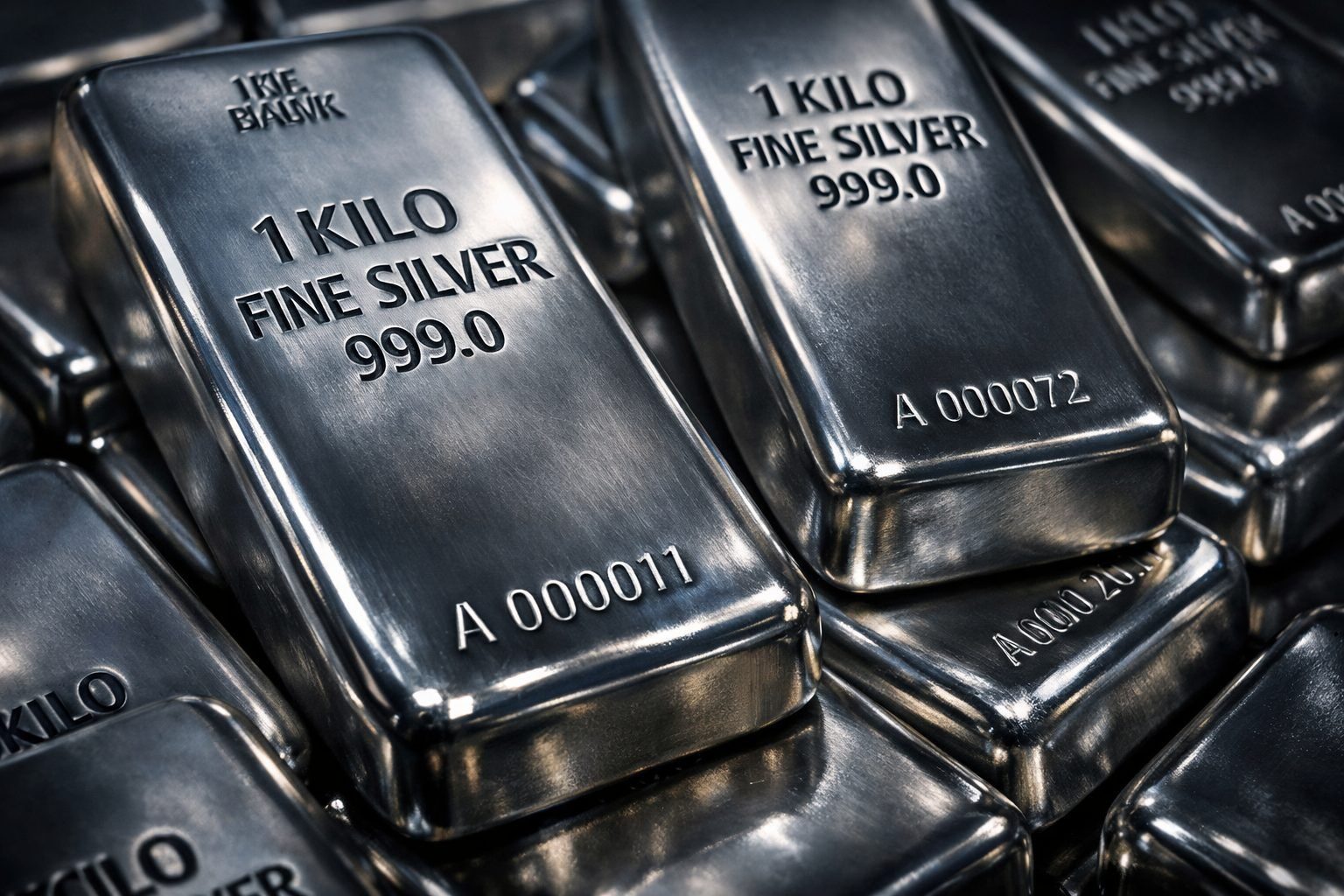
Dec. 24, 2025 — Silver is ending 2025 with a statement: the metal that spent much of the past decade in gold’s shadow is now setting the pace in the precious-metals rally.
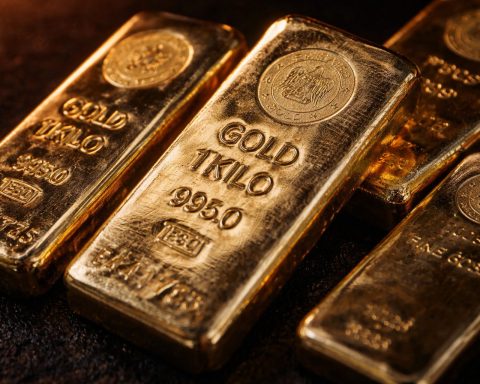
On Christmas Eve trading, spot silver climbed to a fresh all-time high of about $72.70 per ounce, extending a breakout that first drew global attention this week when prices cleared $70. Gold is surging too—spot gold pushed through $4,500 for the first time, also notching new records amid expectations of easier U.S. monetary policy in 2026 and persistent geopolitical stress. Reuters+1
But the headline for investors is relative performance: silver is now outperforming gold by a wide margin in 2025, and the market is sending a clear signal through a rapidly tightening gold-silver ratio.
Below is what’s driving the move, why silver’s rally has been sharper than gold’s, and what to consider before investing—especially as thin holiday liquidity can amplify volatility.
What’s happening in markets on Dec. 24, 2025
Several major market updates converged today:
- Silver hit a new record high near $72.70/oz, while gold posted record highs above $4,500/oz in a broad precious-metals surge that also lifted platinum and (to a lesser extent) palladium. Reuters
- Reuters noted that thin year-end liquidity and shortened holiday sessions are contributing to outsized swings, even as the fundamental bid for metals remains strong. Reuters+1
- A separate deep-dive showed that the bull market in bullion has become lucrative enough that banks and traders are expanding (or re-entering) precious-metals businesses, with vaulting and physical-market activity drawing renewed attention. Financial Times
This isn’t just a “gold story.” Silver is increasingly being treated as both a macro hedge and a strategic industrial metal—and the combination is powerful.
Silver’s breakout: from $65 to $70 to $72 in days
Silver’s late-December run has been fast—and historically significant.
- On Dec. 23, Reuters reported spot silver touched roughly $70.18/oz (and traded near $70 shortly after), the first time the metal hit that level, as investors cited tightening inventories, strong industrial and investment demand, and expectations for additional rate cuts. Reuters
- By Dec. 24, Reuters reported silver reached a new all-time high around $72.70/oz, extending a move that has turned into one of the market’s defining trades of 2025. Reuters
The speed matters because silver’s market is smaller and less liquid than gold’s—conditions that can turn momentum and positioning into a major price driver.
Why silver is outperforming gold in 2025
1) The gold-silver ratio is compressing sharply
One of the cleanest ways to see silver’s outperformance is the gold-silver ratio—how many ounces of silver it takes to buy one ounce of gold.
Reuters noted the ratio has narrowed to roughly 64, down dramatically from about 105 in April, reflecting silver’s surge relative to gold. Reuters
A falling ratio can attract a specific kind of trade: investors who believe silver is “catching up” in a precious-metals bull run and still has room to run.
2) Silver has both “money metal” demand and industrial demand
Gold’s primary use case in markets is financial: hedge, reserve asset, store of value. Silver has that role too—but it also has heavy industrial demand in areas like electronics and clean energy.
Reuters described a “perfect storm” behind silver’s 2025 surge: strong investment appetite, momentum buying, its inclusion on a U.S. critical minerals list, ongoing supply deficits, and industrial demand tied to solar, EVs, and data-center buildouts. Reuters
That dual identity—safe-haven + growth-linked metal—helps explain why silver can rise faster than gold when macro fears and industrial optimism overlap.
3) Flows are reinforcing the move
Flows into exchange-traded products have become a meaningful accelerant.
In its year-end metals report, Reuters cited Standard Chartered analysis showing silver ETP inflows surpassing 4,000 tons, a striking figure in a market where marginal physical demand can move price. Reuters
Gold has seen strong ETF and institutional demand too, but the silver market’s smaller size means inflows can have a more dramatic price impact.
4) Rate-cut expectations and a weaker dollar favor precious metals—silver “amplifies” the move
Precious metals often benefit when real yields fall and the opportunity cost of holding non-yielding assets declines.
Reuters emphasized that U.S. rate cuts and a weaker dollar have underpinned bullion’s record run, and investors continue to price in additional easing. Reuters+1
Historically, silver tends to be the more volatile cousin of gold. That cuts both ways—bigger upside in rallies, bigger downside in corrections.
Is silver “better” than gold right now?
Not necessarily—it’s different.
Gold has been driven by a familiar cocktail: safe-haven demand, central-bank buying, diversification away from the dollar, and lower-rate expectations. Reuters reported central banks remain significant buyers and gold funds have seen major inflows in 2025. Reuters
Silver shares some of those tailwinds, but it also carries:
- Higher volatility (price swings can be abrupt)
- Greater sensitivity to economic cycles (because of industrial demand)
- More pronounced liquidity effects (especially during holiday trading)
Reuters also warned that while momentum and fundamentals support gains, “stretched positioning” and low year-end liquidity can increase volatility, and one analyst cautioned that if the current “febrile” atmosphere fades, silver could ultimately underperform again. Reuters
In other words: silver can outperform spectacularly—exactly as it has in 2025—but it’s less forgiving.
Silver miners are “leveraged silver”—and that’s why they’re moving
When silver prices jump, silver mining equities often move more than the metal because revenues rise faster than many operating costs—creating operational leverage. That leverage works in reverse during drawdowns.
Market coverage over the past week has spotlighted big moves in silver-linked stocks:
- Seeking Alpha highlighted the strong 2025 run in the sector, including dramatic gains in Hecla Mining and attention on names across the silver-miner and precious-metals ecosystem. Seeking Alpha
- Investors.com pointed to silver-focused and precious-metals names such as First Majestic Silver and Wheaton Precious Metals, noting how record metals prices have propelled mining stocks into leadership lists. Investors.com
- Trefis recently framed First Majestic as one of the more “leveraged” publicly traded plays on silver after a sharp 2025 rebound. Trefis
For investors, the key takeaway is simple: miners can outperform silver in bull markets, but they add layers of risk (execution, geopolitics, costs, permitting, balance sheets).
How to invest in silver: the main routes (and the trade-offs)
If you’re considering exposure after silver’s record run, the structure matters as much as the thesis.
Physical silver: coins and bars
Pros: tangible asset, no fund structure, no management fee
Cons: storage and insurance, buy/sell spreads, liquidity varies, potential tax considerations depending on jurisdiction
Physical silver can also be harder to liquidate quickly at a “fair” price during market stress.
Silver ETFs / trusts: liquid exposure without storage
Common vehicles include products designed to track silver prices and physically backed trusts (many investors use these for ease of trading).
Pros: easy to buy/sell, accessible in brokerage accounts, no storage logistics
Cons: fees, tracking differences, and (depending on product structure) different custody/redemption mechanics
Reuters and other market coverage emphasize that ETF/ETP flows have been a meaningful driver of the 2025 move, reinforcing why these vehicles matter in price discovery. Reuters
Silver miners and streaming/royalty companies
Pros: potential leverage to silver upside, equity liquidity, dividends in some cases
Cons: operational and geopolitical risk, cost inflation, equity-market risk layered over commodity risk
Futures and options: maximum leverage, maximum complexity
Pros: capital efficiency, hedging flexibility
Cons: margin calls, roll costs, steep learning curve, not suitable for many long-term investors
The risks investors should take seriously right now
Even the most bullish silver thesis should come with guardrails—especially at record highs.
1) Holiday liquidity can exaggerate moves
Reuters repeatedly highlighted that late-year trading conditions can amplify swings—both up and down. Reuters+1
2) Overbought conditions and crowded positioning
Reuters reported analysts flagging silver as technically overbought, with momentum traders active and dips being bought—conditions that can reverse quickly if catalysts change. Reuters
3) Macro reversals: if rate cuts don’t happen, metals can reprice
A key support is expectations of easier policy in 2026. If inflation re-accelerates or central banks hold rates higher for longer, it can pressure metals.
CBS News, summarizing expert views today, noted that rate hikes in 2026 could weigh on silver and that a meaningful slowdown in industrial demand could also cool prices. CBS News
What to watch next: the catalysts that could decide 2026
Silver’s 2025 performance has been extraordinary. Whether it extends depends on a handful of macro and fundamental signposts:
- Federal Reserve policy path and real yields — the metals trade is still tightly linked to rates. Reuters
- Dollar trend and global diversification flows — a softer dollar has supported metals broadly. Reuters+1
- Industrial demand indicators — especially solar, EV supply chains, and high-power electronics demand. Reuters
- Physical tightness and inventories — silver’s smaller, sometimes “tight” physical market can magnify price spikes. Reuters+1
- Geopolitical flare-ups and trade policy — safe-haven demand has been part of the late-year surge. Reuters+1
Bottom line
Silver’s surge above $72/oz on Dec. 24, 2025 is more than a flashy headline—it’s the culmination of a year in which silver combined safe-haven appeal, industrial relevance, and powerful momentum to outpace gold. Reuters+1
For investors, the opportunity is clear: silver can deliver outsized upside in the right macro regime. The warning is just as clear: its market structure makes it prone to sharp reversals, especially when positioning is stretched and liquidity is thin.