Current Silver Prices (December 16, 2025) – USD, EUR, and INR
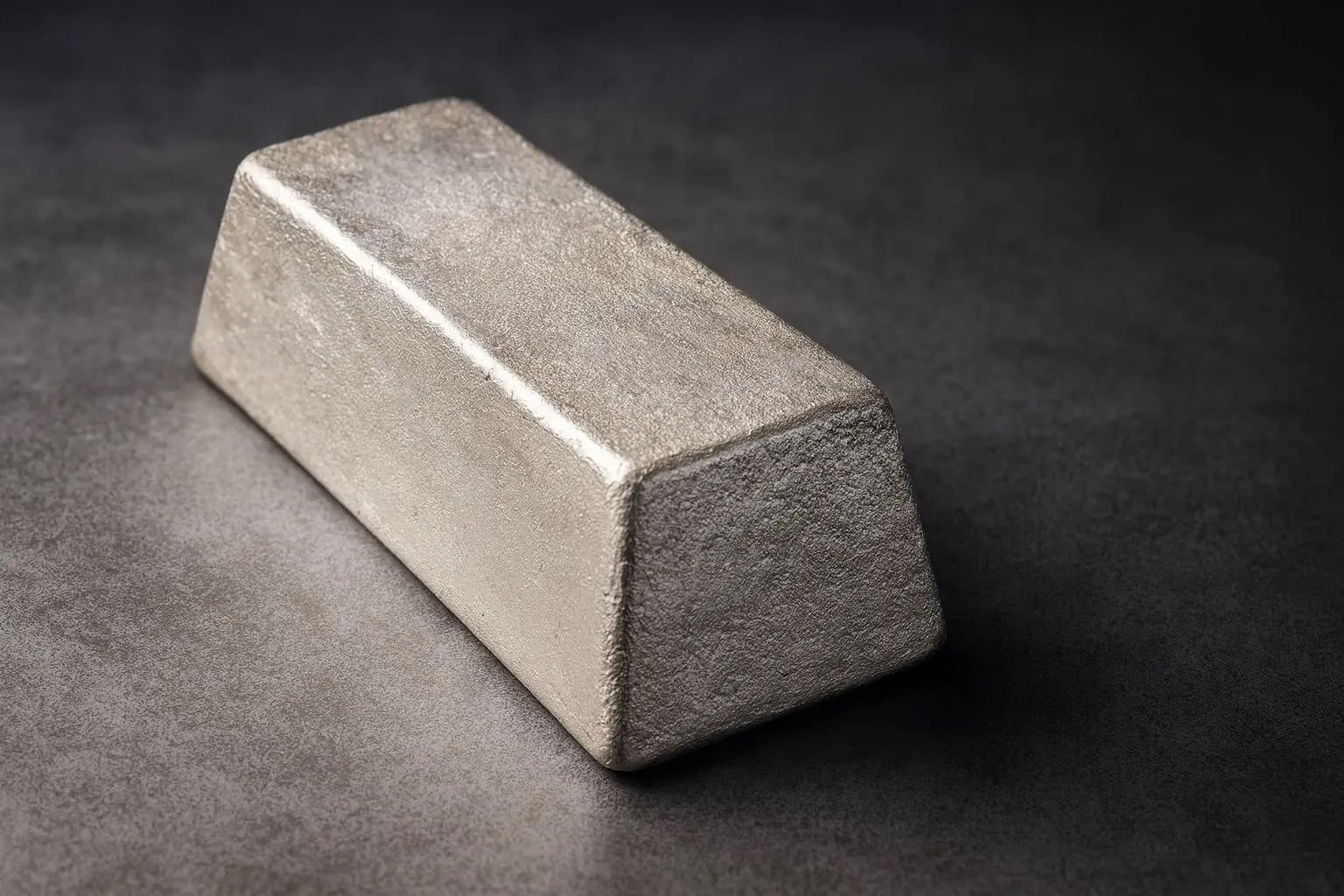
Silver prices are hovering near record highs as of December 16, 2025. In New York trading, spot silver (XAG/USD) is around $63.23 per ounce. This translates to approximately €53 per ounce in European markets. In India – one of the world’s top silver consumers – the metal is priced at about ₹199.1 per gram, or ₹1,99,100 per kilogram. That’s roughly ₹6,200 for one ounce of silver, reflecting the surge in global prices coupled with currency effects. Silver’s remarkable rally this year has propelled it well above historical levels: by comparison, silver began 2025 near the $30 mark, making today’s price levels more than double those of a year ago.
This soaring silver price today sets a fresh milestone. It has recently broken past its 1980 and 2011 peaks (around $50) to reach new all-time highs. Just days ago, silver hit an intraday record high near $64.64/oz before a brief pullback on profit-taking. Even after a slight dip, silver remains up over 100% year-to-date, outpacing gold and other precious metals. For context, spot silver is up 112% in 2025, reflecting a potent mix of investor enthusiasm and fundamental drivers. With prices in uncharted territory, traders are closely watching each tick in the live market. Volatility has picked up alongside the rapid ascent – silver gained nearly 5% this week alone – yet the metal continues to hold near the $63-$64 range, indicating strong underlying support even after minor corrections.
Short-Term and Long-Term Silver Price Forecasts
Silver price forecasts for the coming months and years remain broadly bullish, although analysts’ targets vary widely. Many credible forecasters see further upside into 2026, while a few urge caution about a possible correction from these elevated levels. Here’s a look at what major institutions and analysts are saying:
- Bank of America (BofA) recently raised its 12-month silver price target to $65/oz for 2026, citing tightening supply and strong industrial demand as key drivers. Essentially, BofA expects silver to sustain roughly its current high price through next year, if not edge a bit higher. This upgrade reflects growing confidence that the metal’s fundamentals justify the steep 2025 rally.
- BNP Paribas is even more bullish – their analysts suggest silver could soar toward $100/oz by the end of 2026 in a strong-case scenario. Such an outlook implies the rally is far from over and that silver’s momentum, if sustained by accommodative monetary policy and robust demand, might carry it to triple-digit prices over the next two years. This is one of the most optimistic forecasts from a major bank and underscores the potential many see in silver as both an industrial commodity and an investment asset.
- UBS takes a more moderate stance. Through a series of updates, UBS now projects silver around $52–$55/oz in 2026, with a base case of about $55 by mid-2026 and possibly “testing $60” if conditions are very favorablegerrardsbullion.com. Given current prices, UBS’s target implies only modest upside (+8% or so) from here, suggesting that much of the “good news” may already be priced in under normal conditions.
- Citigroup has struck a cautious tone on near-term prices. In late October, Citi downgraded its silver outlook from $55 to about $42/oz for 2026, warning that reduced market uncertainty could trigger a significant pullback. Citi essentially argues that if some of the recent drivers (like extreme safe-haven demand or speculation) abate, silver might consolidate or retrace to the low-$40s before finding a new equilibrium. This would be a roughly 30% correction from today’s levels, highlighting that not all institutions expect a one-way climb.
- HSBC analysts also envision a potential cooling. After raising forecasts earlier in the year, HSBC now pegs its 2026 average silver price around $44–45/oz, with a broad expected trading range of $40 to $55 for next year. From current prices near $63, HSBC’s outlook implies the possibility of a sizeable correction into the mid-$40s in 2026, even though their upper-band scenario ($55) is only slightly below where silver stands now.
- Consensus and Range: Overall, forecasts from respected sources span a wide range. Some quantitative models cluster in the high-$40s to low-$50s by end-2026, effectively calling for sideways to slightly lower prices after this year’s run-upgerrardsbullion.com. At the same time, bullish prognoses exist for much higher levels: for example, certain commodity strategists and fund managers have speculated about silver reaching $75 or more in 2026 under a “strong growth” supercycle scenariogerrardsbullion.com. One prominent investor forecasted silver could hit $75 by mid-2026 with scope for $80–$90 by year-end in a high-demand, weak-dollar environmentgerrardsbullion.com. These aggressive calls hinge on ideal conditions (e.g. surging investment inflows, continued supply shortages, and no major demand hiccups).
In the short term (next few weeks to months), the prevailing sentiment is that silver’s trend remains upward but not without volatility. After the spectacular rally of the past few months, many analysts expect some consolidation around the $60–$65 zone as the market digests gains. Notably, any dips are widely viewed as buying opportunities in the context of an ongoing bull marketmarkets.financialcontent.com. On December 16, FX Leaders noted that silver remains in a firm uptrend channel and that as long as XAG/USD holds above key support (around $60–$62), the metal is poised to continue its climb. They identified short-term “buy zones” on pullbacks and upside technical targets at $64.50, then $65.85 and $67.30 – suggesting silver could soon challenge mid-$60s highs again if momentum resumesfxleaders.com. This kind of silver market analysis indicates traders are watching for a breakout above recent peaks ($64–$65) to signal the next leg higher.
Of course, forecasts are far from unanimous. While most commodities firms and bank analysts maintain an underlying bullish trend for silver into 2026, a few urge prudence at these lofty levels. The idea of silver being “overbought” in the near-term but still “underowned” long-term is gaining traction – implying that prices may have run ahead of themselves temporarily, yet the metal’s broader value case remains intact. Weighing these views, the average expectation among major institutions sits roughly in the mid-$60s by end-2026 (one composite of big-bank targets came in around $63.78 for next year)advantagegold.com. In other words, many analysts see today’s price as close to fair value if silver simply holds its ground, with upside or downside from here contingent on how the key drivers play out.
Market News Driving Silver Prices Today
Several key news developments and economic factors are impacting silver prices on December 16, 2025. From central bank decisions to macroeconomic data and geopolitical shifts, these are shaping the metal’s movements today:
- Federal Reserve Policy: The U.S. Federal Reserve delivered its third interest rate cut of the year this past week – a 25 basis point reduction – marking a notable pivot towards easier monetary policy. This Fed move has been a major catalyst for precious metals. Gold and silver surged to record highs following the Fed’s decision, as lower interest rates tend to weaken the dollar and bolster non-yielding assets like silver. However, Fed Chair Jerome Powell struck a cautious tone, signaling that after this latest cut, the bar for further easing is higher until more economic data is in. U.S. central bankers are divided on the 2026 outlook, with the median FOMC projection showing only one rate cut next year (and some officials opposing any cuts). Even so, markets are pricing in at least two Fed rate cuts in 2026 in expectation of a slowing economy. This expectation of looser monetary policy has created a favorable backdrop for silver. Softer interest rates and bond yields reduce the opportunity cost of holding precious metals, making silver more attractive to both investors and speculators. The immediate reaction to the Fed’s December cut saw silver spike to new highs (over $61/oz), and it remains well-supported by the prospect that monetary conditions will stay accommodative going forward.
- U.S. Macroeconomic Data: Traders are closely watching U.S. economic indicators that could influence the Fed’s path. Notably, the latest jobs data (Non-Farm Payrolls) is a focal point this week. Economists expect the December 16 NFP report to show a significant cooldown in hiring – with only about 51,000 jobs added in November, down from 119,000 the previous monthfxleaders.com. The unemployment rate is forecast to tick up to ~4.5%fxleaders.com. Such soft labor figures would reinforce the narrative that the U.S. economy is losing momentum, potentially weakening the dollar and supporting silver prices. Similarly, retail sales and PMI data due around this time are anticipated to be slightly softerfxleaders.com, painting a picture of an economy gradually cooling rather than overheating. For silver, which often benefits when growth slows (as investors hedge with safe havens and bet on easier Fed policy), these data points are bullish. In fact, the mere anticipation of weaker jobs numbers has led some traders to take profits cautiously, but not to abandon silver – the metal’s pullback in recent days has been modest, indicating that investors largely see a soft landing scenario as favorable for precious metalsfxleaders.com. Overall, macroeconomic signals of deceleration (without crisis) have been “goldilocks” for silver: slow enough to invite rate cuts and dollar weakness, yet not so dire as to crush industrial demand.
- Central Bank Moves Beyond the Fed: The dovish tilt isn’t limited to the U.S. The European Central Bank (ECB) and Bank of England (BoE) are also shifting stance amid global disinflation. The ECB has slowed its monetary tightening, and there is market chatter that the BoE is preparing its first rate cut (25 bps) possibly in early 2026 after inflation showed signs of cooling – a prospect that has kept the pound in check and supported precious metals in the UK market. Meanwhile, the Bank of Japan (BOJ) continues to maintain an ultra-easy policy, which has contributed to a weaker yen and spurred Japanese investor interest in gold and silver. In aggregate, the theme of “central banks turning dovish” is boosting precious metals across the board. Silver, being both an industrial commodity and a monetary metal, thrives when global interest rates fall and liquidity is ample. The post-Fed cut environment is a prime example: as one analysis noted, “silver is riding strong momentum, with robust industrial usage intersecting with easier financial conditions and softer real yields”jmbullion.com. In other words, low real interest rates (nominal rates minus inflation) are providing silver a tailwind, amplifying its appeal as an inflation hedge and alternative store of value.
- Geopolitical and Global Market News: Geopolitics can sway silver primarily through risk sentiment and safe-haven demand. Lately, there have been mixed signals. On one hand, signs of easing tensions in certain areas – for example, murmurs of progress in the Ukraine peace talks – have improved risk appetite, as evidenced by a dip in defense stocks in Europe. Such developments can momentarily curb flight-to-safety flows into metals. On the other hand, uncertainties remain: the Middle East situation, U.S.-China trade frictions, and other global hotspots continue to lurk in the background. The U.S. recently stepped up enforcement of oil sanctions (intercepting ships carrying Venezuelan oil), which underscores persistent geopolitical frictions. These undercurrents keep a floor under safe-haven assets. Notably, silver has been added to the U.S. government’s Critical Minerals list, highlighting its strategic importance. That designation both reflects and reinforces geopolitical demand for silver (for its vital role in electronics, solar technology, and defense applications). In Asia, Chinese and Indian demand trends are also key news. China’s economy has been stabilizing due to stimulus measures, which bodes well for industrial metal consumption (silver included). India, meanwhile, has delivered a surprise boost: regulators just revised rules to allow Indian pension funds to invest in gold and silver ETFs. This policy change opens the door for substantial new precious metals investment in India – potentially unlocking up to $1.7 billion in additional demand, according to Bloomberg estimates. India is the world’s second-largest gold consumer and a top-4 silver consumer, so this is significant. The move signals growing acceptance of precious metals as mainstream investments and could channel fresh liquidity into silver markets. Already in 2025, Indian investors have been flocking to silver as gold prices became very high; now, institutional pension money may also start flowing that way. This news from India adds yet another bullish layer to silver’s story today.
In summary, today’s silver price reflects a confluence of supportive news: central banks are easing, economic data is favoring a low-rate environment, and investor demand (retail and institutional) is strong globally. While periodic profit-taking can spark quick dips – such as last Friday’s 3% pullback from record highsreuters.com – the overall news cycle continues to underpin silver’s strength. As one Reuters report put it, beyond the short-term “blowing off steam” when the dollar ticks up, the fundamental backdrop for silver remains positivereuters.com. Traders are thus digesting each new data release or policy update with an eye on how it affects silver’s twin drivers: the dollar/interest-rate outlook and the health of industrial demand. So far, those drivers are aligned in silver’s favor.
Key Drivers Behind Silver’s Rally: Supply, Demand and Rates
Silver’s impressive performance in 2025 – and its outlook heading into 2026 – can be attributed to several core price drivers. Understanding these factors provides insight into why silver is at record highs and what might sustain (or challenge) its rise. The key drivers include:
- Industrial Demand Boom: Unlike gold, silver has a large industrial use-case – roughly 55% of global silver demand comes from industry (electronics, solar panels, electric vehicles, etc.)fxleaders.com. This has been a game-changer. A surge in industrial demand, especially from the green technology sector, is a major driver of silver’s strength. Solar panel production is voraciously consuming silver: the solar industry’s silver usage is projected to exceed 230 million ounces by 2026 as governments and companies push for renewable energymarkets.financialcontent.com. Likewise, the expansion of 5G networks, semiconductor manufacturing, and automotive electronics (EVs) has created insatiable demand for silver’s conductive propertiesmarkets.financialcontent.com. Attempts to thrift or substitute silver in these applications have proven difficult or inferiormarkets.financialcontent.com, meaning high-tech industries have little choice but to pay up for the metal. This year, industrial demand for silver hit record highs, helping prices power through previous ceilings. Even if the global economy is slowing mildly, the structural trend of electrification and green infrastructure keeps a strong bid under silver. One reflection of this is silver’s inclusion on the U.S. Critical Minerals list, underlining its strategic importance for technology and defensereuters.com. Analysts note that because silver is tied to economic activity, it can be more sensitive to the economic cycle than gold – but in the current phase, that sensitivity is a boon: the economy is slowing just enough to ease rates (boosting investment demand for silver) while not so much that it undercuts industrial consumption. Thus, silver is enjoying the “best of both worlds” – solid industrial use and investor safe-haven interest.
- Chronic Supply Deficits: On the supply side, the silver market has been in structural deficit for years. 2025 marks the fifth consecutive year that global silver demand has outstripped mine outputmarkets.financialcontent.com. Estimates from the Silver Institute and commodities research firms peg this year’s shortfall around 117 million ouncesmarkets.financialcontent.com – a gap that has been typically filled by drawing down above-ground inventories. These persistent deficits mean the world is effectively eating into silver stockpiles to meet demand. A key reason is that mine production has stagnated. Most silver is produced as a byproduct of mining for other metals (like copper, lead, and zinc), so even the huge price spike hasn’t led to a proportional surge in silver-specific miningmarkets.financialcontent.com. It’s not easy to ramp up output quickly in response to silver’s price because there are very few standalone “pure” silver mines; new mining projects take years to develop. In fact, global silver mine supply has been declining since around 2016-2020, and any significant new capacity isn’t expected until 2027 or lateradvantagegold.com. This inelastic supply situation has tightened the market considerably. Inventories of physical silver on major exchanges have slid to decade lows as a resultadvantagegold.com. COMEX warehouse stocks and London Bullion Market vault holdings have seen notable drawdowns – the LBMA reported available silver inventories have fallen over 40% since 2020advantagegold.com. In late 2025, this culminated in a bit of a physical squeeze; silver’s sharp rally in October and November coincided with dwindling inventories and even a spike in silver lease rates. At one point, borrowing rates for physical silver spiked above 100%, signaling how eager buyers were to get metal immediatelymarkets.financialcontent.com. Traders noted a genuine supply pinch, with delivery delays and higher premiums for coins and bars. According to SP Angel analysts, “silver is benefiting from a tight physical market, having seen a supply squeeze in October.”reuters.com All these supply-side factors have created a supportive floor under prices – it’s hard for silver to fall too far when each dip finds fabricators, mints, or investors scrambling to secure material amid scarce supply. The ongoing deficits through 2026 forecast by the Silver Institute reinforce expectations that the market will remain fundamentally tightmarkets.financialcontent.com.
- Investment and Safe-Haven Demand: Silver’s role as a precious metal and monetary asset has also driven its rally. In times of economic uncertainty or when inflation runs hot, investors often flock to precious metals for protection. In 2025, inflation has been above central bank targets in many countries, and although it’s easing, the legacy of high inflation and massive money supply growth has boosted interest in hard assets. Silver, often called “poor man’s gold,” has attracted strong investor flows as an inflation hedge and safe-haven. Global silver-backed ETFs saw record inflows during portions of this year, reversing the outflows of prior yearsmarkets.financialcontent.com. Through December, silver ETFs added over 134 million ounces to their holdings on a net basisibja.co, indicating substantial institutional and retail accumulation. In fact, the surge of capital into silver has been so large that by mid-December the total market value of above-ground silver (at current prices) reached extraordinary levels – one analysis quipped that silver’s market cap briefly surpassed that of Microsoft, making it one of the world’s largest assets by valuemarkets.financialcontent.com. While that comparison is more symbolic than practical, it illustrates the scale of funds that have poured into silver. Coin and bar demand has also been robust: mints worldwide report strong sales, and the U.S. Mint even temporarily halted production of American Silver Eagle coins at one point, citing a shortage of blank planchets amid overwhelming demandmarkets.financialcontent.com. Safe-haven buying was fueled by various worries throughout 2025 – banking sector jitters early in the year, geopolitical flare-ups, and the ever-present concern about stock market valuations. Silver benefited from these just as gold did. Importantly, silver often appeals to a wider range of investors because of its lower price-per-ounce; as gold soared above $4,000/oz, some investors switched to silver as a more affordable alternative, further boosting silver’s allure as a “catch-up trade” to goldgerrardsbullion.comgerrardsbullion.com.
- Monetary Policy & Dollar Dynamics: Another critical driver has been the macro-financial environment – namely interest rates, real yields, and the U.S. dollar. As noted, the Fed and other central banks easing rates is a bullish ingredient for silver. Silver typically has an inverse relationship with real interest rates: when inflation-adjusted yields fall, silver (which yields nothing) becomes more attractive to hold. This year’s shift from global tightening to a pause/cutting cycle dramatically lowered real yields. For example, U.S. 10-year TIPS yields, which were above 2% mid-year, have come down as investors anticipate future Fed cuts. Consequently, the dollar index has softened from its highs, making dollar-priced silver cheaper for overseas buyers and lifting demand. A weaker dollar has historically been strongly correlated with higher silver and gold prices. Silver’s rally in late 2025 coincided with the dollar easing off multi-month highs. Furthermore, monetary conditions – abundant liquidity and still-elevated money supply – have given investors confidence to speculate in commodities. “Dovish” policy expectations are a cornerstone of silver’s bull case, as lower rates not only drive investment flows into silver but also tend to support economic activity (hence industrial demand) and can stoke inflation down the line, reinforcing the hedge appeal. As one precious metals strategist observed, “the post-Fed rate-cut environment supports both industrial and investment demand [for silver]. The metal is riding strong momentum as robust usage in solar and electronics intersects with easier financial conditions and softer real yields.”jmbullion.com This succinctly captures how intertwined silver’s drivers are – easy money boosts silver from the investor side, while also underpinning the economic backdrop for industrial consumption.
- Market Psychology and Technical Factors: Finally, it’s worth noting the role of market sentiment and technicals. Silver’s break above the long-held ~$50 ceiling triggered a wave of momentum buying. Technically, once silver cleared the $54 resistance (its multi-year high from the early 2010s adjusted level), it entered “price discovery” mode with little overhead resistance until much higher levelsadvantagegold.comadvantagegold.com. Chart analysts set sights on projected targets of $72 or even $88 based on bullish breakout patternsadvantagegold.com. This technical breakout invited more speculative money – hedge funds and trend-following traders jumped in, further propelling the rally. Sentiment has been extremely bullish, as evidenced by positioning data: the CFTC Commitment of Traders report showed bullish bets on silver rising sharply, and sentiment surveys hit multi-year highs in optimism. However, such frothy sentiment can be a double-edged sword – it leaves the market vulnerable to sharp swings if everyone rushes to the exit at once. We saw a glimpse of that on December 12 when a modest uptick in the dollar and heavy profit-taking caused a 3% intraday drop in silverreuters.com. Analysts like Bart Melek of TD Securities cautioned that the price increase had “become excessive” in the short run, warranting some cautionreuters.com. His view, shared by others, is that silver may have rallied a bit too far, too fast, and could see quick corrections. Yet importantly, even these cautious experts maintain that the longer-term fundamentals are solid – Melek noted that beyond the near-term froth, tight inventories and rising industrial demand continue to support a positive outlook for silver going forwardreuters.com. This encapsulates the current dynamic: strong underlying drivers with a layer of speculative exuberance on top. Investors and traders will need to navigate this balance as they gauge silver’s next move.
In essence, silver’s 2025 rally is rooted in classic supply-demand imbalance amplified by macro tailwinds. Robust demand (industrial + investor) versus constrained supply equals a tightening market – and when you overlay that with falling interest rates and a weak dollar, it’s a recipe for soaring prices. These factors have collectively driven silver to its highest price ever in December 2025. They will remain crucial to watch in the coming months. Any shifts – such as a sudden increase in mine output (unlikely near-term), a slackening of solar demand, a reversal in Fed policy, or a significant change in investor sentiment – could alter silver’s trajectory. For now, though, the drivers that pushed silver above $60 are very much in play, and most analysts see them continuing to underpin the market into 2026.
Expert Commentary on Silver’s Outlook
Market experts and analysts are actively debating how high silver could go from here – and whether the metal’s astonishing rally will keep pace or take a breather. Commentary from various experts provides a nuanced outlook:
- TD Securities (Bart Melek): TD’s global commodity strategist Bart Melek has noted that silver’s rapid ascent brought it into overbought territory short-term. “There’s some blowing off of steam… and an element of profit-taking putting pressure on prices,” Melek said when silver retreated from $64 to $61reuters.com. He pointed out a slight uptick in the U.S. dollar contributed to that pullback. Melek warned that “the price increase has become excessive, which calls for caution” at these levelsreuters.com. In other words, after a 111% year-over-year jumpmarkets.financialcontent.com, silver may be due for consolidation. However, Melek remains fundamentally bullish looking forward. He emphasized that in the longer term, the outlook for silver remains positive due to forecast increases in industrial demandreuters.com. TD Securities has highlighted that structural deficits and strong offtake keep the bull case intact, even if a correction occurs. (Notably, TD’s official 2026 forecast envisions silver possibly “normalizing” down to the mid-$40s if the market cools off, aligning with Melek’s cautionary stancescottsdalemint.com.)
- SP Angel (London): Analysts at SP Angel, a UK brokerage, commented on silver’s remarkable outperformance relative to gold this year. They attributed it partly to speculative money: “the outperformance from silver reflects speculative money flowing into a more levered play following gold’s pullback,” they wrotereuters.com. Essentially, as gold hit record highs and then paused, speculators turned to silver for higher beta. But SP Angel also underscored silver’s tight physical market, noting that “alongside speculative flows, silver is benefiting from a tight physical market, having seen a supply squeeze in October.”reuters.com This dual observation sums up 2025: both fast-money and genuine supply tightness have driven silver. SP Angel’s outlook suggests that as long as physical inventories remain low, any speculative sell-off could be short-lived – robust underlying demand would likely attract buyers on dips.
- WisdomTree (Nitesh Shah): Nitesh Shah, a strategist at asset manager WisdomTree, has pointed out the chronic supply deficits as a cornerstone of the bullish thesis. He notes 2025 is another year of demand exceeding supply, which is inherently supportive. Shah also mentions that rate cuts and a weakening dollar are prompting rotations from gold into silver. Because silver often lags gold in a bull run then catches up, some investors are strategically shifting into silver to capitalize on its higher volatility and upside. Shah’s commentary implies confidence that silver’s fundamentals justify significant price appreciation, though he also would be mindful of volatility given silver’s industrial exposure.
- MarketGauge (Michele Schneider): Prominent market analyst Michele “Mish” Schneider from MarketGauge noted recently that silver’s technical uptrend remains intact and that it still has “plenty of upside in 2026” despite the big move. Schneider, who correctly anticipated the precious metals breakout, suggests that as long as key support levels hold, the underlying bullish trend is unbrokenfxleaders.com. She has advised watching factors like the gold/silver ratio and inflation expectations; in her view, silver could continue outperforming if inflation picks up or if economic data support more easing. However, Schneider has also advocated risk management – earlier in October (during a brief spike then drop in metals) she remarked it might be “time to take profits on gold and silver” after huge run-ups, while keeping an eye on the next setupkitco.comkitco.com. Her stance exemplifies a trading-oriented approach: acknowledge when a market might be overstretched short-term, but remain ready to re-enter because the long-term uptrend remains “solid”kitco.com.
- The Silver Institute: Although not an individual, the Silver Institute (an industry body) has been cited frequently by experts for its supply/demand insights. Their projections of ongoing supply deficits through 2026 are often quoted to support bullish viewsmarkets.financialcontent.com. Additionally, the Silver Institute’s data on 2025 demand growth – such as record-high silver demand exceeding 1.2 billion ounces – and uses in green tech bolster arguments that $60+ silver could be sustainable. The Institute’s commentary in 2025 highlighted “robust offtake from the solar sector and resilient investment demand” as reasons silver achieved “one of the biggest one-year jumps in modern history”. Indeed, in markets like India, silver prices jumped from ~₹85,000/kg last December to ~₹200,000/kg nowindianexpress.com – a +116% surge that the Institute attributes to global trends feeding through to local marketsinstagram.com. Their outlook suggests that unless these deficits turn to surpluses (which current data doesn’t indicate), silver’s price will stay elevated relative to past years.
- Bloomberg and Mainstream Economists: Mainstream financial outlets have begun to acknowledge silver’s star performance. A Bloomberg piece recently described silver as “quietly outperforming gold” and noted that many macro investors now view silver as a compelling asset in a world of dollar debasement and green investment boomsreuters.com. Some economists caution that if the global economy were to slip towards recession more sharply than expected, industrial metals like silver could see demand soften – a scenario that might cap silver’s upside. However, the base case among many economists is a mild slowdown with continued high infrastructure spending, which actually favors silver. In interviews, economists have cited China’s stimulus (benefiting industrial metals) and U.S. clean energy policies (demanding more silver for solar) as supportive elements. Inflation expectations are also crucial: if inflation re-accelerates or remains sticky around 3-4%, real interest rates would stay low or negative, a condition in which precious metals historically thrive. Many experts thus keep a constructive view on silver into 2026, often mentioning it in the same breath as gold when discussing hedges against inflation and currency risks.
In summary, expert sentiment on silver is broadly positive with a side of caution. The common refrain is that the fundamental story is strong – but don’t be surprised by bumps on the way. Silver’s high volatility is a recurring theme in these commentaries. Even bulls acknowledge that 2025’s explosive gains could invite turbulence (sharp corrections or profit-taking bouts), yet they largely see those as part of a bigger upward trajectory. The mix of voices – from strategists at big banks to independent analysts – indicates a consensus that silver’s multi-year outlook is bright (thanks to solid fundamentals like deficits and demand), even if short-term sentiment got a bit frothy. For anyone following the silver market analysis, the advice distilled from experts is: watch the economic indicators, monitor how supply constraints evolve, and be prepared for volatility, but ultimately recognize that silver is in a bullish phase it hasn’t seen in decades.
Outlook for Investors and Traders: Buy, Hold, or Sell?
With silver prices doubling in a year and sitting near all-time highs, the key question for investors now is whether to buy, hold, or sell at these levels. The answer isn’t one-size-fits-all, but guidance from market strategists and the current backdrop can offer direction:
Most analysts currently lean towards a “buy or hold” stance on silver, rather than an outright sell. The rationale is that the drivers of silver’s bull run remain intact, so further upside is possible – albeit perhaps at a more measured pace. For long-term investors who have ridden the wave this year, the consensus is to continue holding core silver positions as part of a diversified portfolio. The metal’s role as an inflation hedge and its strong fundamentals suggest it still has a place in portfolios heading into 2026. In fact, many experts advise that if you already own silver, it’s wise to maintain exposure, though keeping an eye on position sizing is important due to volatility.
For those looking to enter or add positions, the prevailing advice is to consider buying on dips rather than chasing short-term spikes. Given the big run-up, sudden corrections can and do occur (like the recent 3% drop in a day) – those pullbacks may offer better entry points. As noted, analysts see the $60 level as a key support; pullbacks toward the low-$60s or high-$50s are viewed as “strategic entry points” in what many believe is a multi-year bull marketmarkets.financialcontent.com. “Any short-term pullbacks are likely to be fleeting, presenting entry opportunities,” as one market report put itmarkets.financialcontent.com. This implies that dips caused by profit-taking or temporary dollar strength could be bought by those who missed the initial rally.
On the flip side, few are advocating aggressive selling or shorting of silver right now. The fundamental backdrop (supply deficits, robust demand, Fed easing cycle) provides a cushion that makes a severe crash less likely barring a big change in conditions. However, some strategists do recommend a degree of profit-taking or hedging after such a parabolic rise. If you’re a trader who jumped in earlier in the year around $30 or $40, your position has swelled; taking some profits off the table can be a prudent risk management move, as suggested by analysts who cautioned that the market was overextended in the short term. Trimming a portion of holdings or using stop-loss orders to protect gains is a strategy to consider, especially for leveraged positions. Essentially, locking in some profit does not mean abandoning the bull trend, but rather safeguarding against the kind of 10-15% corrections that silver is famous for even during uptrends.
In evaluating whether to buy, hold, or sell, one should also consider their investment horizon and risk tolerance:
- Short-Term Traders: For momentum traders or those with a short-term horizon, silver’s recent consolidation between roughly $61 and $64 is a trading range to monitor. A breakout above ~$65 could signal another leg higher and might justify adding short-term long positions aiming for the high-$60s. Conversely, a break below support (around $60) might signal a deeper correction, in which case short-term traders could step aside or even play the short side briefly (with caution, as overall trend is up). Technical analysts point out the RSI and other indicators have cooled from overbought levels, potentially giving silver “room to run” again if fresh catalysts emergefxleaders.com. Short-term bias thus remains bullish unless key support levels break. Stops and tight risk controls are crucial in this volatile metal.
- Long-Term Investors: For those with a long-term view (multi-year), the advice tilts toward holding and potentially accumulating. Silver’s role in the coming green economy and as a monetary asset suggests it could be worth significantly more in the years ahead if current trends persist. Many long-term bulls highlight that even at $63, silver’s inflation-adjusted price is below past peaks (the 1980 spike of ~$50 would be several hundred dollars today in real terms). So, from a long-run perspective, some argue silver is not yet overvalued. Long-term investors may choose to dollar-cost average – buying a bit at regular intervals, especially on any weakness. This smooths out volatility and builds a position to capture potential upside in 2026 and beyond.
- Hedge and Risk Consideration: Regardless of stance, it’s wise for investors to hedge or balance their exposure. Silver can be part of a precious metals allocation along with gold. Gold’s stability can offset some of silver’s volatility (the gold-silver ratio has fallen to ~68:1, indicating silver’s strength, but if the ratio reverses, gold might hold value better in a downturn). Additionally, using tools like options – for instance, buying protective put options or writing covered calls – can generate income or insure against downside while keeping core holdings.
As of today, market sentiment is strongly bullish, but not blindly so. The phrase “cautious optimism” comes to mind. Multiple analysts have said they “remain bullish on silver with an underlying upward trend,” yet they also “would not be surprised by a correction”. The consensus recommendation isn’t to sell all and run; rather, it’s to stay in the game but stay nimble. For new buyers, jumping in with full force at record highs might not be prudent; phasing in exposure or waiting for minor dips could be more sensible. For current holders with large profits, scaling out a bit or setting stop-loss levels can ensure those hard-earned gains don’t evaporate if silver temporarily swoons. And for staunch silver believers, the advice is to keep eyes on the prize (the strong fundamentals) and not get shaken out by inevitable volatility.
In practical terms, many experts say their preferred strategy is to “buy the dip” and “hold for the long term”. Dips have indeed been quickly bought in recent weeks – when silver fell to ~$58 in late November, buyers rushed in; when it briefly slid 3% after the record high, it soon stabilized around $62. This pattern reflects confidence that each pullback is just a pause in a larger uptrend. Unless there’s a major regime change (for example, if central banks suddenly turned hawkish again or a demand sector collapsed), the advice is that every correction in silver is an opportunity.
As 2025 closes and 2026 begins, the outlook for silver investors appears promising but demands vigilance. Should you buy, hold, or sell? Summarizing the credible voices: hold onto your core silver, consider buying more on weakness, and trim or hedge if you feel overextended. The phrase one trading desk used was “ride the bull, but with one hand on the saddle.” In plain terms, they advocate staying with the bullish trend (which has further to go, in their view) while remaining prepared for bumps along the wayreuters.com. With silver today shining as one of the top-performing assets, the majority stance is to keep it as a key part of your “precious metals” allocation going forward, as the silver price forecast into 2026 still points to potential new highs aheadmarkets.financialcontent.comgerrardsbullion.com.
Bottom Line: Silver’s fundamentals are strong and the trend is your friend – thus “hold or accumulate on dips” is the prevailing strategy – but respect the volatility. As always, individual investment decisions should consider personal financial goals and risk tolerance. The silver market can be as explosive as it has been rewarding, so staying informed (via sources like Reuters, Kitco, Bloomberg, and Investing.com) is crucial. As of December 16, 2025, the bulls remain in control of the silver market, and the metal’s story of “precious metal meets green revolution” continues to captivate investors and analysts alike. In the words of one market report, “Silver shines bright amid bullish fervor, and any tarnish from profit-taking only sets the stage for its next gleam.”markets.financialcontent.comreuters.com
Sources: Silver spot price data from JM Bullion; currency and INR prices from SilverPrice/GoodReturns; forecasts from MarketMinute, Advantage Gold & Gerrards (BofA, BNP, UBS, Citi, HSBC); market news from Reuters (Fed cut, record highs, profit-taking); India pension fund news from FXStreet; drivers and commentary from Reuters, FX Leaders, and industry sources (Silver Institute, SP Angel). All information is up-to-date as of December 16, 2025, providing a comprehensive silver market analysis with the latest silver price forecast insights and expert opinions.