
December 15, 2025 — The precious-metals boom that defined much of 2025 is still very much alive, even after a sharp bout of profit-taking late last week. On Monday, spot silver steadied near $62.48 an ounce and gold climbed to about $4,320.65, as traders weighed softer U.S. yields, a weaker dollar, and the next big macro catalyst: U.S. jobs data that could shape the Federal Reserve’s 2026 rate path.
That “cooling but not collapsing” tone matters because silver’s surge has been anything but ordinary. It’s not just a price story; it’s a story about tight physical supply, explosive industrial demand, and renewed safe-haven flows—a combination that briefly pushed silver’s estimated “market value” into the same league as the world’s largest public companies.
Below is what’s happening today (15.12.2025), what drove silver to record territory, and why the gold–silver–platinum complex has become one of the market’s most-watched themes heading into year-end.
Silver price today: Holding near $62 after last week’s record run
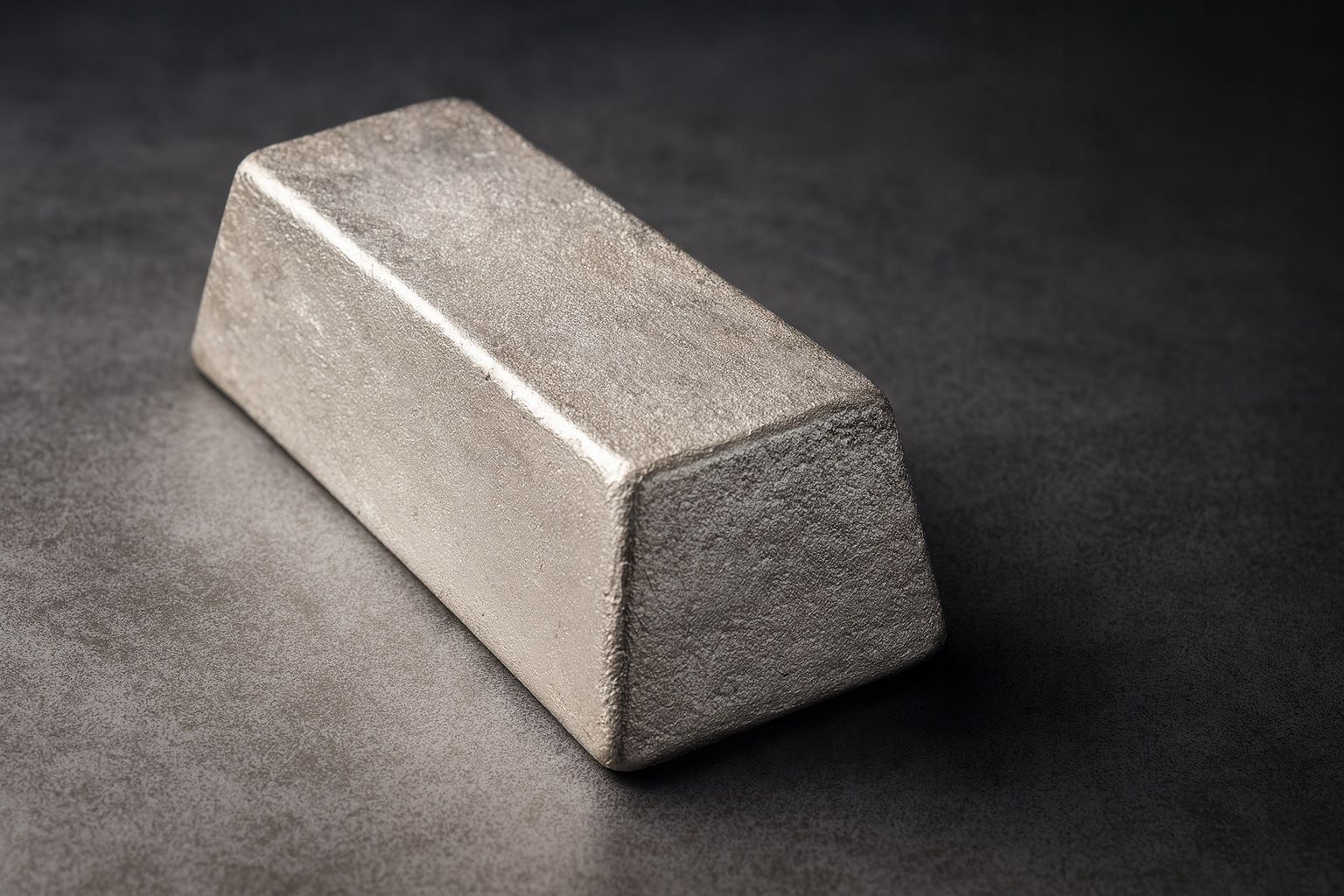
Silver is up about 115% year-to-date even after retreating from Friday’s intraday record, with Reuters reporting spot silver around $62.48 on December 15 and noting it had hit $64.65 late last week before closing sharply lower.
The key point for readers tracking “silver price today” is that the pullback looks like a pause after an extreme move—not a reversal of the forces that got silver here in the first place. In the same December 15 report, ANZ highlighted that silver’s rally has been powered by tightening inventories and strong industrial demand, while also warning that valuations versus gold look stretched, raising the risk of a rotation. Reuters
India snapshot (Dec 15): High prices, higher volatility
In India, the rally has been even more visible because it’s showing up directly in rupee quotes:
- MCX silver opened around ₹1,95,298 per kg, down about 3.13%, after hitting ₹2,01,615 per kg in the prior session, according to Moneycontrol.
- Mathrubhumi reported silver around ₹200.90 per gram (roughly ₹2,00,900 per kg) in many major cities on the morning of December 15, with higher quotes in some southern markets.
That whipsaw—record highs followed by fast drops—is classic silver behavior. It trades like a precious metal and an industrial metal, so it can amplify both investor emotion and real-economy demand signals.
How silver “overtook” Microsoft: The fifth-largest asset headline—explained
One of the most-shared milestones of the rally came on December 12, when The Times of India reported that silver’s estimated market capitalization rose to about $3.593 trillion, narrowly surpassing Microsoft’s estimated $3.59 trillion, as silver moved above $63 per ounce.
But there’s an important nuance for readers: commodities don’t have market caps in the same way companies do. These rankings use estimates of above-ground value and delayed pricing to approximate “market value” so assets can be compared on a single list.
That nuance also explains why the ranking can flip quickly. On December 15, CompaniesMarketCap’s live ranking showed Microsoft back ahead of silver, with Microsoft at about $3.556 trillion versus silver at about $3.539 trillion (silver price shown near $62.87).
Translation: silver’s surge was strong enough to briefly outrank one of the world’s biggest tech companies by estimated asset value—but with a volatile metal, that position can change in a matter of days.
Why silver hit record highs in 2025: Four forces that reinforced each other
The BBC link shared in your brief focused on the “why” behind silver’s record highs. Even without relying on a single outlet, today’s reporting and recent explainers converge on a consistent set of drivers.
1) A supply squeeze that’s hard to fix quickly
Silver supply does not respond like oil. A large share of global silver output is produced as a byproduct of mining for other metals, which limits how quickly miners can ramp production when prices rise. The Financial Times has described a deepening supply squeeze and multi-year deficits as a major pillar of the rally.
The Washington Post similarly tied the rally to supply shortages, noting that mine output can’t be increased quickly because new mines take years to develop.
2) Industrial demand is no longer a footnote—it’s a core pillar
Silver is not just “poor man’s gold.” It is a high-quality conductor used across modern manufacturing. Coverage in recent days has repeatedly pointed to rising demand from technology and electrification—from electronics and solar to EVs and data centers. Financial Times+2The Washington Post+2
The Washington Post cited Silver Institute data indicating industrial uses make up a major share of total demand and linked the demand jump to big-ticket trends like EVs and AI infrastructure.
3) Rate cuts, a weaker dollar, and the “opportunity cost” effect
On December 15, Reuters framed the day’s price action around a familiar macro mechanism: when yields fall and investors expect easier monetary policy, non-yielding assets like gold and silver look more attractive.
This is also how the silver rally turned into a broader “precious metals complex” rally. The Times of India highlighted the same logic—lower rates reduce the opportunity cost of holding metals—while also pointing to a weaker dollar as a support. The Times of India
4) Critical minerals politics and tariff anxiety
Another accelerant: policy risk.
Reuters notes silver’s rally has been supported by its inclusion on the U.S. critical minerals list. Reuters
The Washington Post linked that designation to tariff speculation and shifting inventory flows, describing how fear of trade restrictions can pull metal into the U.S. supply chain and tighten availability elsewhere.
Put simply: when an industrial metal becomes a strategic metal, markets start treating it differently.
Gold price today: Up about 64% in 2025 as markets watch U.S. jobs data
Silver may be stealing the spotlight, but gold has delivered a historic year in its own right.
On December 15, Reuters put spot gold around $4,320.65, with gold up about 64% year-to-date.
What traders are watching next is whether U.S. labor-market data reinforces the case for further easing. Reuters quoted OANDA analyst Kelvin Wong suggesting gold could push toward $4,380–$4,440 if jobs data points to labor market slack that keeps yields capped and the dollar weak.
Even after the Fed’s recent 25-basis-point cut—described by Reuters as a rare split decision—investors are still debating how many cuts come next, and when.
2025’s broader commodity story: Platinum, copper, lithium joined the party
Your third link (Economic Times) broadened the picture beyond gold and silver—and the numbers illustrate just how unusual 2025 has been for “real assets.”
Economic Times reported that, with only weeks left in the year, gold was up ~63%, silver ~118%, platinum ~96%, copper ~32%, and lithium ~25% (figures cited in its December 13 update).
That same report noted platinum trading near its highest levels since 2011, with platinum quoted around $1,735.50 in that snapshot, alongside strength in palladium.
As of December 15, Reuters put spot platinum near $1,741.82 and palladium near $1,502.29, showing the rally’s staying power across the complex even as day-to-day moves vary.
India’s new pension rules: A structural tailwind for gold and silver ETFs
One of the most consequential India-linked developments referenced in today’s coverage is policy-driven demand.
Reuters reported that India’s move to allow pension funds to invest in gold and silver ETFs could lift institutional participation, citing ANZ.
The Economic Times’ wealth desk provided the detail: a PFRDA circular dated December 10, 2025 expands the National Pension System’s investible universe and explicitly allows exposure to gold and silver ETFs, with the combined exposure to those ETFs capped (the report cites a 5% cap).
This matters because India is already a heavyweight in bullion demand culturally (weddings, gifting) and financially (savings preferences). Policy that channels even a modest percentage of long-term retirement flows into metals-linked products can change the demand profile at the margin.
What to watch next (and what could cool the rally)
The metals story is powerful, but it isn’t one-way. Here are the most immediate swing factors highlighted in today’s reporting:
- U.S. jobs data and Fed expectations: Reuters makes clear markets are using labor data to test how many 2026 cuts are realistic. A surprise in either direction can move yields and the dollar quickly, feeding into gold and silver.
- Profit-taking and volatility: Silver’s drop from its record high into the low-$60s (and India’s MCX pullback from above ₹2 lakh/kg) shows how fast sentiment can turn after a parabolic move.
- Tariffs and “critical mineral” policy: Any clarity—or escalation—around trade restrictions can reshape where physical silver sits, affecting regional tightness and premiums. The Washington Post+1
- Relative valuation vs gold: ANZ’s caution about stretched valuations versus gold is a reminder that cross-asset positioning (not just outright demand) can drive sharp rotations.
Bottom line: Silver’s 2025 surge is real—and so are the risks
As of December 15, 2025, silver remains one of the world’s most dramatic macro stories: a metal that can swing like a commodity but trade like a currency hedge, sitting near $62+ after touching record highs, and still showing triple-digit gains for the year.
The “silver overtakes Microsoft” moment captured the scale of the move—and the speed at which it can reverse, with market-value rankings now showing Microsoft back ahead as silver cooled. The Times of India+1
Meanwhile, gold’s rise above $4,320 underscores that this isn’t just a silver mania; it’s a broad repricing of precious metals in a world of rate-cut expectations, geopolitical uncertainty, and supply-chain politics.
Related articles: ASX:ANZ