New York, Jan 16, 2026, 14:25 EST — Regular session
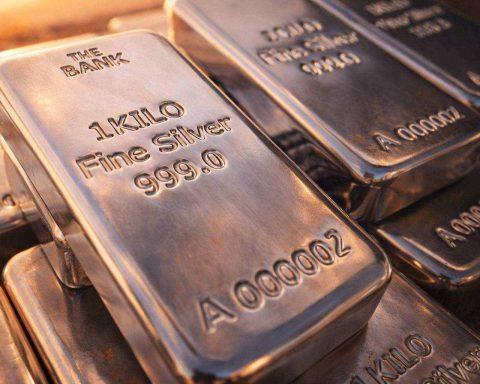
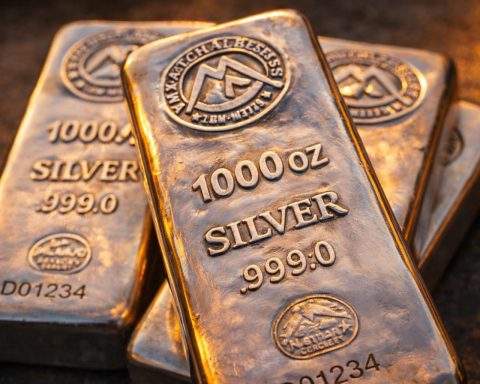
Silver slipped below $90 an ounce on Friday as traders cashed in gains following a record surge and easing tensions in the Middle East reduced safe-haven interest. By 1:39 p.m. ET, spot silver had fallen 2.9% to $89.65, after hitting a peak of $93.57 the previous day. Despite the drop, the metal is still on track for a weekly rise exceeding 12%. “It’s a general retreat in the commodity complex … with some profit-taking,” said Marex analyst Edward Meir. Reuters
The decline is significant since silver quickly turned into a crowded macro play, reacting simultaneously to rate forecasts and geopolitical developments. When that combination changes, price swings can get sudden and one-directional.
The question investors wrestle with now is whether silver can maintain its safe-haven status while continuing to function as a crucial industrial metal. That dual identity has fueled the rally but could just as easily limit how far prices climb.
Retail investors are a key piece of the puzzle. Vanda Research reports that individual buyers poured roughly $921.8 million into silver-backed ETFs over the past month, with the iShares Silver Trust (SLV) alone attracting $69.2 million in retail inflows just on Wednesday. “We waited 45 years for silver to break above $50 and now it’s past $80,” said Kathy Kriskey, head of alternatives ETF strategy at Invesco. Reuters
Silver surged past $90 earlier this week after weaker U.S. inflation data boosted bets that the Federal Reserve will slash interest rates. Tensions on the geopolitical front and scarce supplies also pushed prices higher, according to a Reuters report. Reuters
The recent surge is beginning to strain sectors relying on silver for solar panels and electronics. Ole Hansen, Saxo Bank’s head of commodity strategy, noted, “At some price level, fabricators and end users simply cannot absorb higher costs.” He added that certain buyers are likely to reduce consumption or look for alternatives. Business Insider
In practice, this often means physical buying slows down even as financial demand remains strong — a mix that usually drives wider intraday swings. It also leaves the market extra jittery over any changes in growth data.
Next week kicks off with a liquidity snag. U.S. stock markets shut Monday for Martin Luther King Jr. Day, often squeezing trading volumes and boosting volatility across assets. New York Stock Exchange
Attention shifts to U.S. data that could reshape the interest-rate conversation. On Jan. 22, the Bureau of Economic Analysis will release its Personal Income and Outlays report for October and November. This report features the PCE price index, the inflation measure the Fed keeps a close eye on. Bureau of Economic Analysis
Focus now shifts to the Federal Reserve, with its next policy meeting scheduled for Jan. 27-28. Federal Reserve
The $90 mark is back on the radar after a shaky week for the market. Up next: the PCE data due Jan. 22, followed by the Fed meeting on Jan. 27-28.