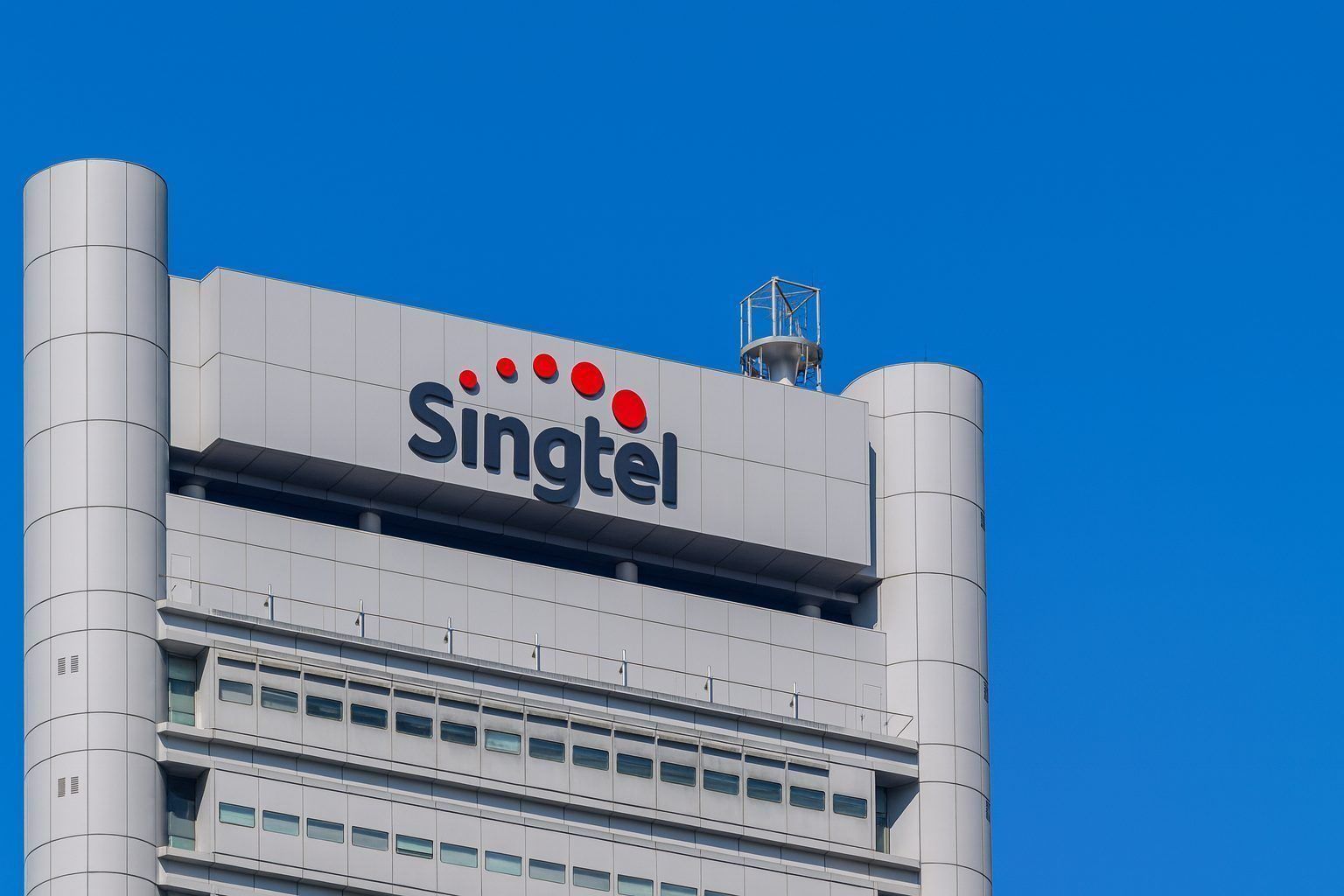
SINGAPORE, Dec. 12, 2025 — Singapore Telecommunications Limited (Singtel) stock is in the spotlight today after two developments collided in the same news cycle: a regulatory fine tied to a 2024 fixed-line outage and a fresh bullish research update that pins Singtel’s next leg of upside on data centres, regional associate earnings, and mobile pricing repair.
By early afternoon in Singapore, Singtel shares were around S$4.63, up roughly 1.5% on the day, according to SGinvestors’ intraday quote page. SG Investors
What’s driving the conversation isn’t just the fine itself—it’s what it symbolises for a telco: operational resilience, regulatory expectations, and whether Singtel’s increasingly “digital infrastructure + associates” story can keep overpowering the dull-but-deadly risks that come with being a national connectivity utility.
What’s the biggest Singtel news on Dec. 12, 2025?
1) IMDA fines Singtel S$1 million for the Oct. 8, 2024 landline outage
Singapore’s Infocomm Media Development Authority (IMDA) has imposed a S$1 million financial penalty on Singtel over a fixed voice (landline) disruption on Oct. 8, 2024 that affected about 500,000 residential and corporate users for more than four hours. IMDA said the incident also disrupted access to hotlines across government agencies, healthcare organisations, banks and companies—and emergency call services. CNA
IMDA’s investigation concluded the incident “was within Singtel’s control to prevent” and was not due to a cyber-attack. CNA
What caused it? IMDA said Singtel hosted two virtualised firewalls on the same hardware—one supporting the fixed-line voice system and one supporting a monitoring system. High-intensity traffic overwhelmed shared memory resources and the voice firewall began malfunctioning intermittently, while failover did not occur seamlessly—resulting in dropped calls until voice traffic was fully swung to the unaffected system. CNA
Singtel told CNA it accepts IMDA’s ruling and penalty, and described remediation actions including network design and hardware configuration improvements and stronger monitoring processes. CNA
From a market lens, the fine is financially manageable for a company of Singtel’s scale—but it keeps reliability and regulatory scrutiny front-and-centre, a theme that can weigh on sentiment whenever outages hit essential services.
2) DBS keeps “Buy” and lifts target price to S$5.71
On the more optimistic side of the ledger, DBS Group Research reiterated a “Buy” call and raised its target price to S$5.71 (from S$5.04), arguing Singtel has “sharp” upside driven by data centre EBITDA growth and eventual stabilisation of Singapore mobile ARPU (average revenue per user) as the market structure improves. The Edge Singapore+1
DBS also expects Singapore’s mobile ARPU to stabilise in mid-2026, assuming sector consolidation is approved by the end of 2025. The Edge Singapore+1
The analyst’s near-term catalyst list is explicit:
- A sharp rise in data centre EBITDA in early 2026
- Mobile ARPU stabilisation in Singapore in mid-2026
- And a view that Singapore’s data-centre capacity is set to double to 120MW with an AI-ready Jurong DC opening in early 2026 The Edge Singapore+1
Why Singtel stock is behaving more like a “telco + infra + emerging-market associates” bundle
If you still think of Singtel as “the Singapore phone company,” you’ll miss what analysts are modelling now.
DBS frames Singtel as:
- the No. 1 integrated telco in Singapore,
- owner of Optus in Australia (No. 2 operator),
- plus significant stakes in regional associates including Telkomsel (Indonesia), Bharti Airtel (India), AIS (Thailand), and Globe (Philippines). DBS Bank
DBS adds that these associates contributed over 64% of group operating profit in FY25, underscoring why Singtel’s share price often reacts to associate momentum (especially Bharti) almost as much as it reacts to local Singapore telecom news. DBS Bank
In other words: the stock’s narrative is increasingly “cash-flow telco + AI/data-centre infrastructure + emerging-market telecom growth.”
Forecasts and targets: what the numbers say right now
DBS forecast snapshot (Dec. 11 publication)
DBS’ quick-view table flags forward-looking estimates and valuation metrics that shape its higher target price, including forecast revenue and net profit growth and a projected dividend yield rising into FY26–FY27. DBS Bank
DBS says it raised the core business valuation multiple to 7x 12-month forward EV/EBITA, up from 5x, and values associates at S$4.14 per share with an unchanged 10% holdco discount. DBS Bank+1
Street consensus (Investing.com)
Investing.com’s consensus snapshot (based on a poll of the past three months) shows:
- Overall consensus: Buy
- Analyst split: 15 Buy, 1 Hold, 1 Sell
- Average 12-month price target: S$5.153
- High: S$6.20, Low: S$4.36
- Reported 52-week range: S$3.040 to S$4.920 Investing.com
With Singtel trading around S$4.63 on that page, the average target implies roughly low double-digit upside from current levels (depending on the exact live price and timing). Investing.com
Citi: “better value” after the pullback
Earlier this week, Citi resumed coverage with a Buy and a higher target price of S$5.08, highlighting Singtel’s combination of cash-flow generation in developed markets (Singapore/Australia) and growth exposure via emerging markets. Citi also pointed to the possibility of further asset value crystallisation and referenced Singtel’s capital management and liquidity. The Edge Singapore
Citi’s scenario framing is also useful as a sanity check: a “bullish” target cited at S$5.34 and a “bearish” scenario at S$3.93, tied to assumptions like currency moves and Bharti valuation sensitivity. The Edge Singapore
How investors are interpreting the IMDA fine
The S$1 million penalty is not the kind of number that breaks Singtel’s earnings model. But it does three things that markets care about:
1) It upgrades “outage risk” from annoyance to governance topic.
IMDA explicitly emphasised public safety implications and said the incident was preventable within Singtel’s control. CNA
2) It strengthens the regulator’s precedent.
CNA reported IMDA can impose penalties up to S$1 million or up to 10% of annual turnover, depending on circumstances—so the regulator has a wide enforcement range. CNA
3) It adds friction to the “defensive yield” story.
For income-oriented investors, telcos are supposed to be the boring part of the portfolio. Reliability lapses (especially involving emergency services) can compress the “boring premium,” even if financial impact is small.
The market reaction today suggests investors are, for now, treating the fine as a headline risk rather than a thesis-breaker—especially with brokers highlighting 2026 operational and structural catalysts.
The bull case: data centres (Nxera) as a 2026 earnings torque
The most “non-telco” thing about Singtel in 2025 is how often data centres show up in price targets.
DBS is explicit that the data-centre EBITDA step-up is a key catalyst, with Singapore capacity expected to double to 120MW around the opening of an AI-ready Jurong DC in early 2026. The Edge Singapore+1
Citi’s note also referenced Singtel’s stronger cash flow and capital management, pointing to the broader theme: Singtel is trying to fund growth (and returns) by recycling assets and leaning into infrastructure-like earnings streams. The Edge Singapore
This is also why any hint of inorganic moves in data centres gets amplified.
The ST Telemedia Global Data Centres (STT GDC) angle
Reuters reported in November that KKR and Singtel were in advanced talks to buy more than 80% of ST Telemedia Global Data Centres in a deal valued at over S$5 billion (US$3.9 billion), potentially giving them full ownership. Reuters
DBS explicitly notes a potential STT GDC acquisition could add a new high-growth associate besides Bharti. DBS Bank+1
Even without a deal, the market takeaway is clear: Singtel’s “AI infra” narrative is no longer marketing fluff; it’s now a mainstream valuation input.
The “earnings engine room”: Optus + associates (especially Bharti)
Singtel’s most recent results backdrop matters here because it explains why analysts can look past a domestic outage fine and still publish bullish targets.
Reuters reported that Singtel posted a 14% rise in underlying net profit for the first half of fiscal year 2026 (ending Sept. 30), helped by Optus and higher contributions from regional associates including Bharti, Telkomsel and AIS. Singtel also guided for operating company earnings growth (excluding associates) in the high single digits to low double digits for FY2026, and highlighted growth ambitions in its digital infrastructure arm. Reuters
This is important because it supports the notion that Singtel’s earnings are not solely tethered to the Singapore consumer market—an argument repeatedly made by both DBS and Citi. DBS Bank+1
The bear case: what could derail the Singtel stock story?
A serious Singtel write-up needs its list of monsters under the bed. Here are the big ones investors keep re-checking:
1) Reliability, resiliency, and “essential services” scrutiny
The IMDA fine is a reminder that telcos operate under a different social contract than most companies: failure modes can involve public safety and emergency access. CNA
2) Australia risk: competition + currency
DBS flags risks including a weaker Australian dollar (AUD) and irrational competition in Australia, which could hinder Optus’ recovery. DBS Bank
3) Associate valuation sensitivity
Citi’s bullish/bearish framing shows how much Singtel’s valuation can move based on Bharti (and other associate) assumptions. The Edge Singapore
4) Capital allocation and execution risk in data centres
Data centres can be a brilliant earnings amplifier—if capacity fills, power and sustainability constraints are navigated, and capex returns remain disciplined. DBS is effectively betting on that execution in 2026–2028. DBS Bank+1
What to watch next for Singtel shares
Heading into 2026, Singtel investors are likely to stay glued to four “tell me the future” indicators:
1) Any confirmed timeline on Singapore market structure changes
DBS expects Singapore mobile ARPU stabilisation in mid-2026 if consolidation is approved by end-2025. That’s a very specific forecast—and markets tend to reprice quickly when dates move. DBS Bank+1
2) Data-centre milestone execution
The expected early-2026 capacity step-up (Jurong DC) is a major part of current upside arguments. The Edge Singapore+1
3) Any concrete outcome on STT GDC
A deal of the scale Reuters described would be strategically meaningful and valuation-relevant for Singtel’s infrastructure narrative. Reuters+1
4) The next earnings print and guidance tone
After reporting stronger first-half underlying profit and reiterating growth expectations, the next update will matter for confirming whether the “Optus turnaround + associate strength + infra growth” combo is still intact. Reuters
Bottom line
On Dec. 12, 2025, Singtel stock is being pulled by two opposing forces: a reminder that telco reliability failures carry regulatory consequences, and a broker-led push that says the bigger earnings upside is coming from data centres and regional associate momentum in 2026.
If the market keeps treating Singtel less like a sleepy utility and more like a diversified “connectivity + AI infrastructure” platform, the stock’s next re-rating will likely be decided by execution: network resilience, data-centre delivery, and whether Singapore mobile ARPU genuinely repairs on the timeline analysts are now bold enough to put in print.