
Minneapolis, April 28, 2026, 10:06 CDT
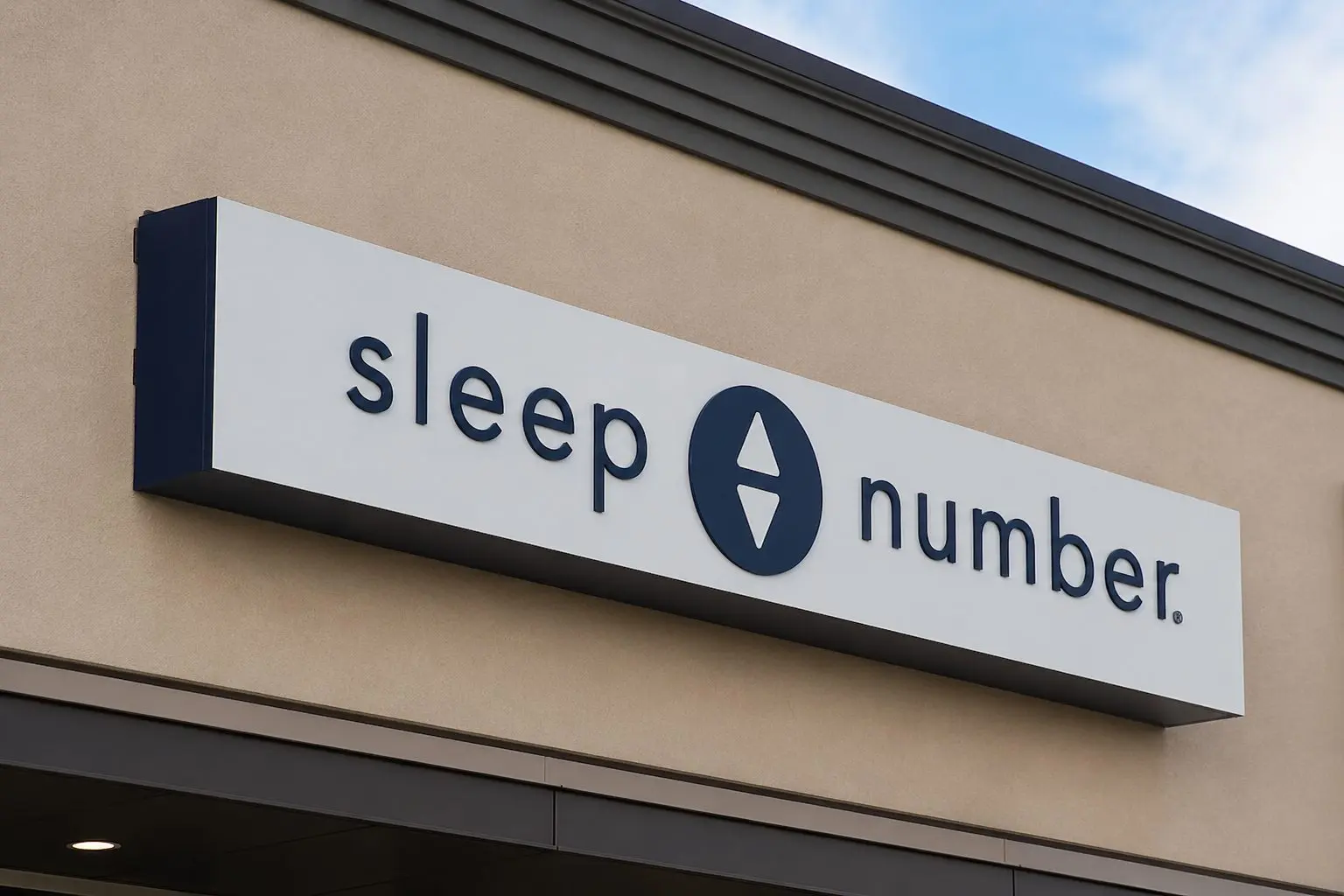
Shares of Sleep Number Corporation surged Tuesday, buoyed by news the mattress company secured a lender agreement that injects $55 million in liquidity—$25 million of that in a term loan—and provides a break on certain credit-agreement covenants.
The clock’s ticking. Fewer than seven weeks back, Sleep Number flagged “substantial doubt” about whether it could stay afloat—a going concern warning, signaling it might lack the resources for business as usual. SEC
The agreement frees up Minneapolis-based Sleep Number to move forward with revamping its product lineup and launching a fresh marketing push before the Memorial Day sales rush—a key stretch for mattress sellers. The company is slated to post first-quarter results on May 12.
A recent filing reveals the new term loan comes with interest set at one-month SOFR plus 8%. Maturity lands on June 30, while $5 million is scheduled for payment on June 1. The company’s $30 million minimum liquidity covenant skips enforcement until the last business day of the first week that ends after July 1.
The document revealed that lenders have agreed to hold off on enforcing certain defaults related to leverage, interest coverage, and adjusted EBITDA—a profit metric that excludes interest, taxes, depreciation, amortization, along with several other items. This forbearance stretches through July 1, unless it’s cut short by a termination event.
Chief Financial Officer Amy O’Keefe called the amendment “covenant relief and incremental capital,” noting Sleep Number is moving its product rollout and marketing efforts to align with the holiday shopping stretch. She added that work on a longer-term capital structure solution is ongoing. Business Wire
Shares of Sleep Number climbed to $3.55, a gain of $1.34 from their previous finish. Earlier, the stock hit $4.20 before pulling back. Volume surged past 38 million shares. That put the company’s market cap at roughly $81.5 million.
Still, it’s a limited breather. According to the lender agreement, these defaults aren’t gone for good—the lenders can pull back the forbearance at any time, and once it ends or if another trigger hits, they can bring back remedies like acceleration rights.
President and Chief Executive Linda Findley pointed to “positive customer reviews” and a higher Net Promoter Score—a metric for customer recommendations—as early indicators from the new line. According to Findley, first-quarter results matched what the company had been expecting. Business Wire
On Tuesday, the company rolled out its first big integrated marketing campaign in years, spotlighting its updated mattress lineup. Chief Marketing Officer Amber Minson summed up the approach: since sleep is different every night, “your mattress should too.” Business Wire
Last month, Sleep Number slashed its mattress lineup from 12 models down to seven, rolling out its biggest product overhaul in almost ten years. The move aims to streamline choices for shoppers and double down on features tied to adjustability and temperature control.
Conditions haven’t eased. Sleep Number posted 2025 net sales of $1.4 billion, a 16% drop, alongside a net loss of $132 million. The company said it had achieved $185 million in annualized cost savings and aims to trim another $50 million in 2026.
Competition remains fierce. Sleep Number’s annual filing lists heavyweight brands like Tempur-Pedic, Sealy, Stearns & Foster, Serta, and Beautyrest, plus online-first players—Purple, Casper, Nectar, Saatva. The company points out that some rivals have wider reach and more muscle.
The next hurdle isn’t far off. On May 12, investors will zero in on whether the financing bridge, recent store traffic, and those new beds are actually driving sales — and not just buying more time.
Related articles: Stock Market