
NEW YORK, June 5, 2026, 11:10 EDT
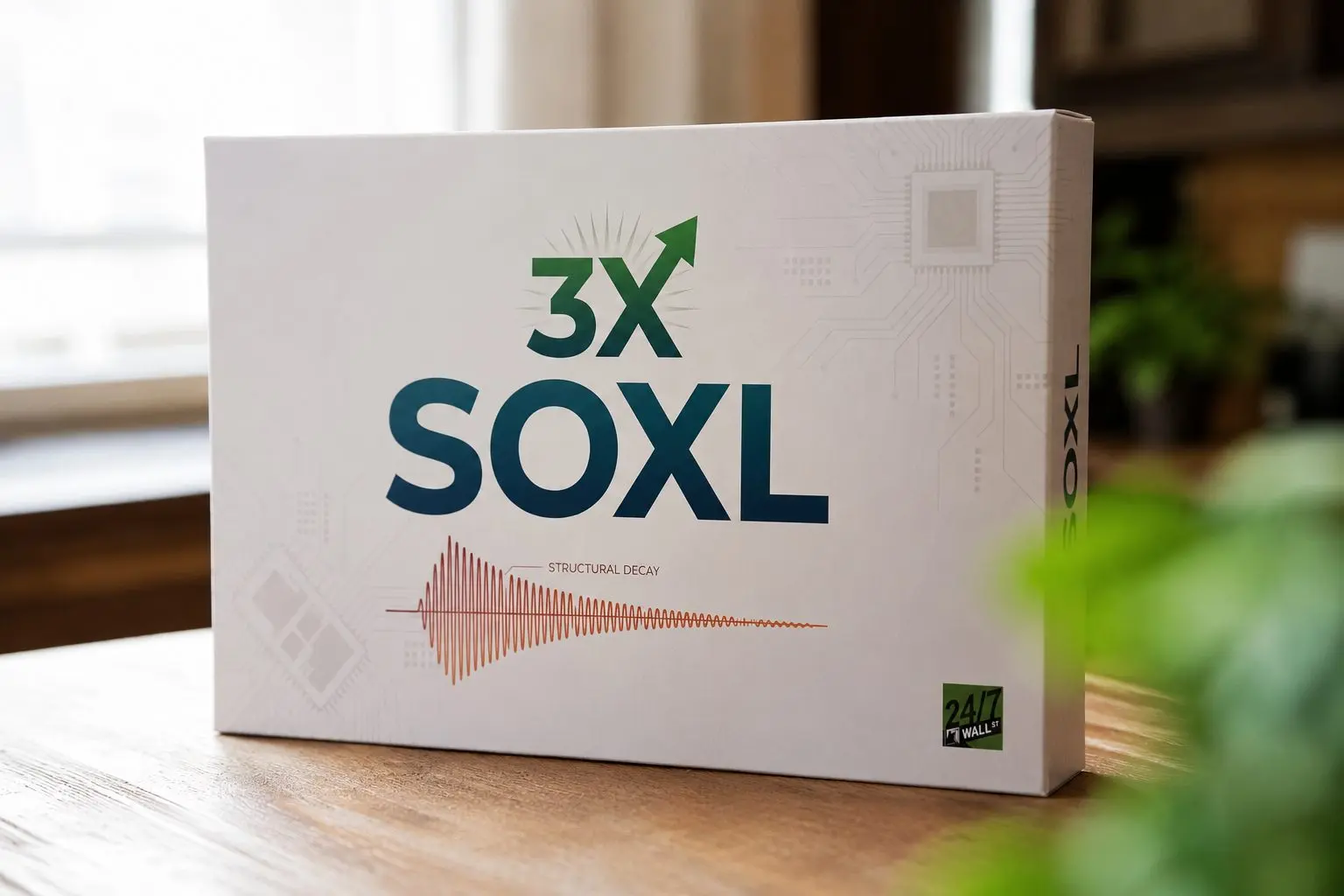
- SOXL, the leveraged 3x bullish semiconductor ETF, dropped around 14.6% in morning trading. Chip stocks were under heavy selling pressure.
- The move is notable since the fund had been among the more aggressive trades for the 2026 AI-chip rally.
- Daily leverage, which boosted gains before, is now moving the other way.
Direxion Daily Semiconductor Bull 3X Shares dropped 14.6% to $224.36 Friday morning, snapping a strong run for the leveraged chip ETF this year. The unleveraged funds also moved lower—iShares Semiconductor ETF slid 4.9%, VanEck Semiconductor ETF gave up 4.6%. The bearish 3x Direxion Semiconductor ETF gained about 14.8%.
SOXL grabbing attention now as it was seen as a go-to play for risk-on bets in AI chips. Direxion numbers showed SOXL up 433.76% for the year and 1,291.60% over twelve months through June 4, before losses on Friday pushed traders to rethink the leverage moves.
Chip stocks dragged Wall Street lower as investors reacted to stronger-than-expected U.S. jobs numbers, raising worries that rates could stay higher. The Philadelphia Semiconductor Index dropped more than 5%, Reuters said. Nvidia slipped 2.5% and Intel, Micron, AMD and Broadcom fell between 4.2% and 6.2%. Mark Malek, chief investment officer at Siebert Financial, called the decline “healthy” after the sharp rally. Reuters
SOXL isn’t a standard semiconductor ETF. It’s a leveraged product, set up to deliver three times the daily return of its benchmark. Direxion says the fund aims for 300% of the NYSE Semiconductor Index in a single day, not over longer periods.
During the rally, it was easy to overlook that. Yahoo Finance pointed out earlier this week that $10,000 in SOXL had turned into $131,000 over 13 months. The fund had climbed 377.96% through May 26 after starting 2026 at $47.24.
Recent stories have started to sound more cautious. Yahoo Finance, in a May 26 article, pointed out that SOXL dropped 90% in 2022 because daily resets worsened losses, showing how triple leverage can hit investors even if the sector doesn’t fall as much.
SOXL picked up 3.29% on May 28 and finished at $224.79, according to a linked May 29 ECIKS.org article, as chip stocks kept moving higher. The story called SOXL a tactical fund, not a buy-and-hold play—something that’s now taking center stage instead of sitting in the fine print.
The setup is simple. SOXX and SMH cover the semiconductor sector for investors looking for straight exposure, no triple daily leverage. SOXS, from Direxion, is the bearish 3x play for those shorting the same chip index. Moves like Friday can send those picks in opposite directions.
SOXL tracks a benchmark heavy on AI-focused chip stocks. Top holdings listed by Direxion include Nvidia, Broadcom, Micron, Advanced Micro Devices and Applied Materials. That’s part of why SOXL reacts fast when chips get hit.
Regulators have been warning about leveraged and inverse ETFs for years, saying these funds can stray far from their stated multiples if investors hold them longer than a day. The SEC cautions that performance over weeks or months can be nowhere near the daily goal and could mean steep losses. FINRA says daily-reset ETFs are usually not a fit for holding longer than a day.
ETF risk isn’t always one way. If money keeps moving into Nvidia, Broadcom, Micron and other AI chip names, SOXL could bounce back more quickly than vanilla semiconductor ETFs. But another down move or even a stretch of sideways trading can drag on returns, since the fund resets exposure daily.
Direxion warns that leverage can boost both losses and volatility, and a total wipeout is possible in a day if markets go the wrong way. SOXL’s sharp move Friday hasn’t ended the AI-chip bet. What it does, though, is put timing, leverage, and nerve on the line—SOXL is turning into a test of all three, not just a call on semis.
Related articles: NASDAQ:NVDA