
NEW YORK, August 12, 2026, 18:30 EDT
- Dell rose roughly 5% after positive AI-infrastructure projections boosted hardware suppliers.
- About 37% of Dell’s quarterly revenue now comes from AI servers.
- The main issue is a 3.5-point drop in gross margin, even though operating leverage has improved.
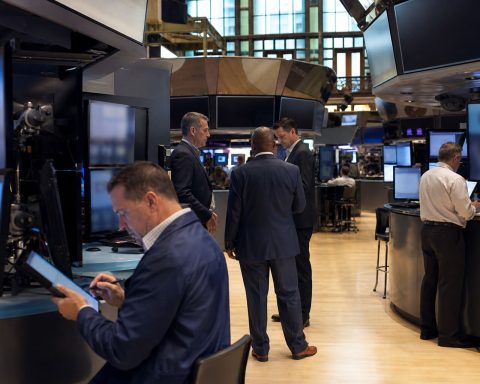
Dell Technologies NYSE:DELL climbed nearly 5% on Wednesday as optimistic outlooks from AI-infrastructure competitors boosted sentiment for server demand. The stock’s advance topped the S&P 500’s 0.3% gain.
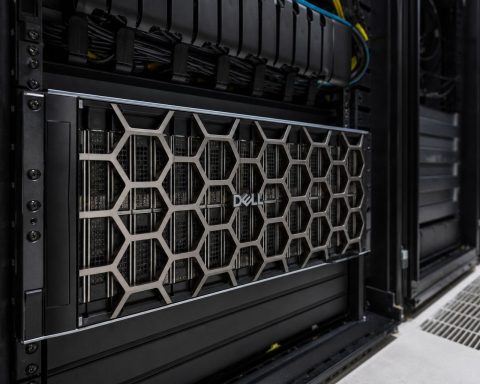
The rally is significant as Dell is no longer just a minor AI proxy. Last quarter, AI-optimized servers generated $16.1 billion, accounting for 36.8% of overall revenue, company data show.
| AI-infrastructure stock | Reported move | Fresh signal |
|---|---|---|
| Dell NYSE:DELL | Approximately +5% | Industry demand benefits |
| CoreWeave NASDAQ:CRWV | Up more than +19% | Q2 backlog hit $104.2 billion |
| Super Micro Computer NASDAQ:SMCI | Gained over +13% | Strong fiscal 2027 guidance; Q4 gross margin at 17.5% |
CoreWeave’s backlog and Super Micro’s margin surpassed investor expectations. Both point to stable pricing amid increasing capacity. This backs Dell’s $60 billion AI-server goal for fiscal 2027.
| Dell AI measure | Value | Investor read-through |
|---|---|---|
| Q1 AI-server orders | $24.4 billion | Equals 1.51x recognized Q1 AI-server revenue |
| Q1 AI-server revenue | $16.1 billion | Accounts for 36.8% of Q1 total revenue |
| Q1 ending AI backlog | $51.3 billion | Exceeding three times AI revenue for Q1 |
| FY2027 AI-server target | About $60 billion | Represents 35.9% of midpoint $167 billion revenue |
Dell posted an all-time high first-quarter revenue of $43.8 billion, an increase of 88%. AI bookings totaled $24.4 billion, and the company ended the quarter with a backlog of $51.3 billion. Dell also lifted its full-year revenue midpoint to $167 billion.
Chief Operating Officer Jeff Clarke stated the AI opportunity shows “no signs of slowing.” The assertion has recently been bolstered by two major industry peers. However, the issue of profitability remains unresolved.
| Margin measure | Q1 FY2027 | Q1 FY2026 | Change |
|---|---|---|---|
| Non-GAAP gross margin | 18.1% | 21.6% | down 3.5 points |
| Non-GAAP operating margin | 9.7% | 7.1% | up 2.6 points |
| Infrastructure operating margin | 10.5% | 9.7% | up 0.8 points |
The margin bridge is key for investors. Non-GAAP gross profit increased by 57%, at a slower pace than revenue. However, operating expenses dropped significantly as a percentage of sales, lifting the operating margin.
This means Dell’s AI expansion is significant, though its value varies across different areas. Servers offer reach and access to clients. Storage, services, and commercial systems have a greater impact on the quality of profits.
| Analyst rating | Total |
|---|---|
| Strong buy | 14 |
| Buy | 5 |
| Hold | 8 |
| Sell | 0 |
| Strong sell | 0 |
| Overall opinion | Buy |
Analyst sentiment is generally positive but not unanimous. Out of 27 ratings, 19 are buys or strong buys and 8 are holds. The consensus price target averages $487.26, spanning from $213 to $700.
Risks stay focused. Major AI clients have the ability to postpone rollouts. Rising component costs could impact server profitability. A limited pool of buyers further increases execution and credit risk.
The coming week will reveal if Wednesday’s peer-driven rally gains momentum or loses steam. Dell faces a more significant test on September 3, when it reports fiscal second-quarter results. Key metrics for investors include the conversion of the AI backlog, gross margin rate, and cash flow.
Related articles: NYSE:DELL