
New York, January 5, 2026, 09:23 EST
- U.S. stock markets are operating on a normal schedule Monday after closing for New Year’s Day on Jan. 1
- NYSE and Nasdaq list Jan. 19 as the next full-day closure, with planned early closes later in 2026
- The U.S. bond market followed an early close on Dec. 31 and a full shutdown on Jan. 1, based on an industry schedule
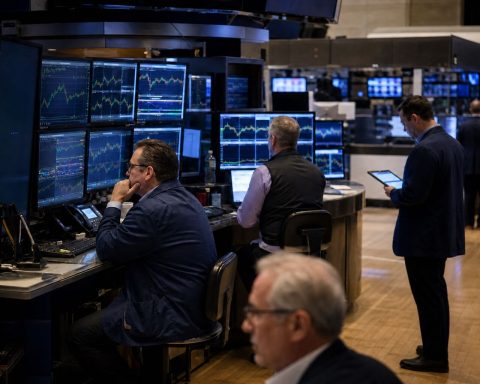
U.S. stock markets returned to a full schedule on Monday as Wall Street began its first complete trading week of 2026 after closing for the New Year’s Day holiday on Thursday. The NYSE and Nasdaq run their core equity sessions from 9:30 a.m. to 4:00 p.m. Eastern time, and both exchanges list Jan. 19 as the next holiday closure, with early closes at 1:00 p.m. on Nov. 27 and Dec. 24.
The reset matters for investors who step back around year-end holidays and return when staffing and liquidity normalize. With markets near record territory, the first full week often sets the tone for how much risk investors are willing to carry early in the year.
“The market is looking for direction,” said Matthew Maley, chief market strategist at Miller Tabak. Investors are watching a busy January calendar, including U.S. employment data due Jan. 9 and the consumer price index report scheduled for Jan. 13, after the first session of 2026 ended with a small gain on Friday. Reuters
The bond market ran on a different clock into the holiday. SIFMA, a securities industry trade group whose recommendations are widely followed in fixed income, said the U.S. market for U.S. dollar-denominated bonds would close early at 2:00 p.m. EST on Dec. 31 and shut fully on Jan. 1.
That split schedule can matter for rate-sensitive assets. When cash bond trading winds down early, price discovery in Treasuries and corporate debt can thin out, even as equity markets keep trading into the close.
The practical impact often shows up in wider bid-ask spreads — the gap between what buyers will pay and sellers will accept — particularly in bond exchange-traded funds and less liquid credit. Brokers can also impose their own cutoffs for certain order types and settlements around holidays.
There is also a key uncertainty: SIFMA’s timetable is a recommendation, not a rule, and trading venues can differ on how closely they follow it. That can leave investors facing uneven liquidity across cash bonds, bond ETFs and related derivatives.
Extended-hours trading adds another layer of risk. Fewer participants typically means faster price moves on smaller orders, which can amplify swings on headlines even when the main session is calm.