SAN JOSE, Calif., April 13, 2026, 06:11 PDT
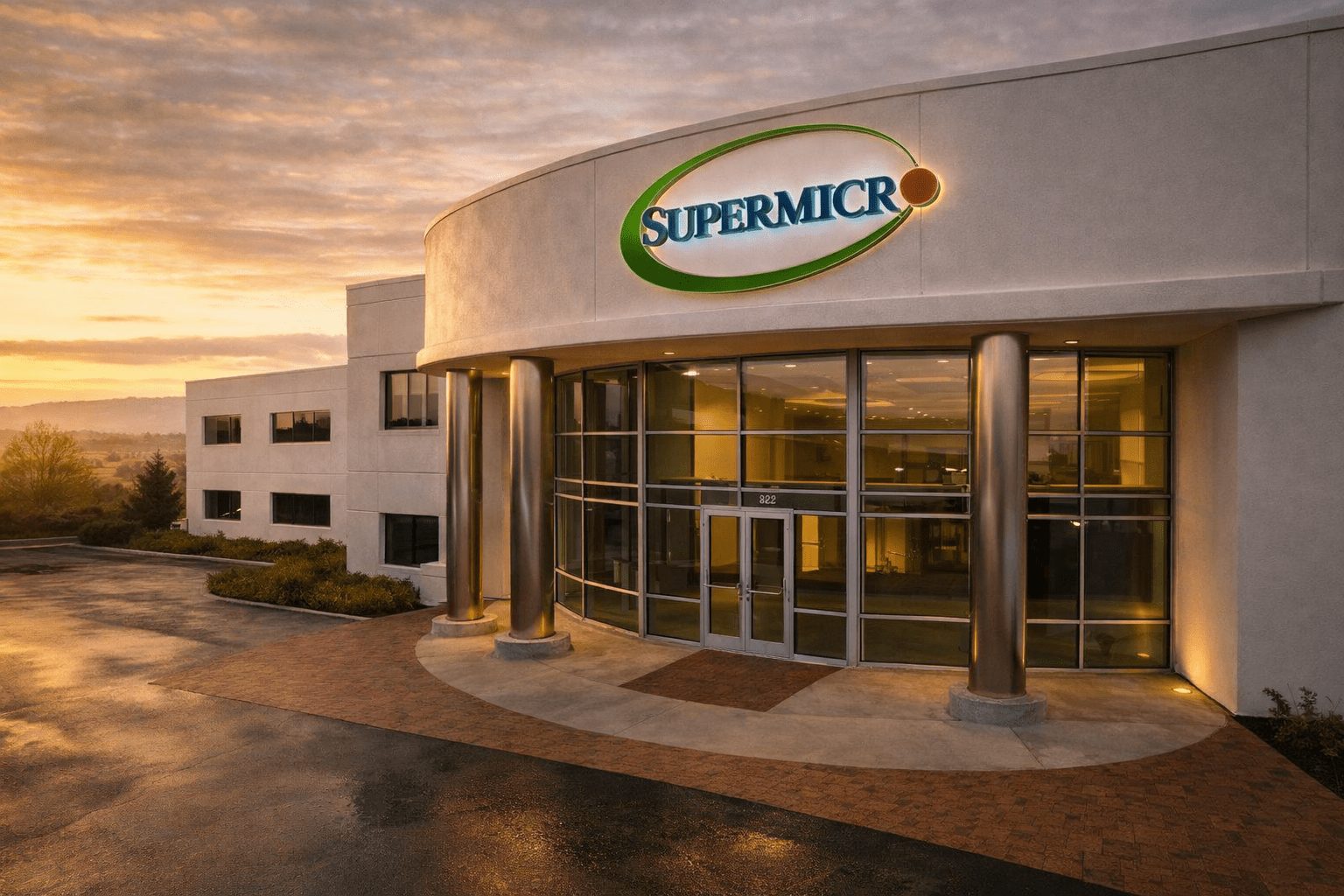
Super Micro Computer was trading at $25.26 early Monday, as the AI server maker confronts a board-driven investigation into claims servers were diverted to China. The company maintains it isn’t a defendant in the U.S. case, and so far there’s no timeline for when the review might wrap up.
Timing is key here. Super Micro, a standout among hardware names riding the AI wave, sees shareholders convene online April 15 to decide on board seats for CEO Charles Liang and Audit Committee Chair Tally Liu. Management’s fiscal 2026 revenue target remains at a minimum of $40 billion—a figure that underscores the stakes.
Back in March, U.S. prosecutors accused co-founder Yih-Shyan “Wally” Liaw, Ruei-Tsang Chang, who managed sales in Taiwan, and contractor Ting-Wei Sun of funneling at least $2.5 billion worth of American AI tech into China. Since 2022, U.S. export controls have specifically targeted high-end AI chips—meant to keep them away from China. Prosecutors say the group slipped servers through Taiwan and Southeast Asia, hiding shipments inside plain boxes, using dummy units, and slapping on new labels to throw off auditors. Reuters
Super Micro says the three individuals are no longer affiliated with the company, calling their alleged actions a breach of internal policies and compliance controls. In a letter dated March 24, Liang described Super Micro as “a victim” of what he called a sophisticated scheme. By April 7, Super Micro announced that Lead Independent Director Scott Angel and Audit Committee Chair Tally Liu had taken charge of the investigation, working alongside Munger, Tolles & Olson and AlixPartners. Super Micro Computer
Business remains robust. Back in February, Super Micro posted $12.68 billion in quarterly revenue and bumped its fiscal 2026 sales target up to a minimum of $40 billion. “Order strength remains strong” among major data-center and enterprise clients, CFO David Weigand said. Emarketer analyst Gadjo Sevilla told Reuters that Super Micro’s trajectory is tied to how well it supplies integrated systems for large cloud and AI buyers. Reuters
Nvidia sits at the center of this narrative. Super Micro’s surge owes much to its rapid rollout of systems powered by Nvidia chips, but if customers or suppliers hesitate, competitors like Dell, Hewlett Packard Enterprise, and Lenovo could quickly absorb that demand.
The case may draw more attention from Washington. Last month, Reuters reported that four Chinese universities—two tied to the People’s Liberation Army—purchased Super Micro servers outfitted with restricted Nvidia chips within the past year. Following the report, two U.S. senators called on Commerce Secretary Howard Lutnick to weigh a halt on export licenses covering advanced Nvidia chips and server systems to China or intermediaries in Southeast Asia.
The risks are stacking up. After shareholders filed suit over the China mess, the latest legal action follows a prior wave of governance pressure: Hindenburg Research’s short report hit in 2024, and Ernst & Young resigned as auditor before the year ended.
Shana Orczyk Sissel, founder and CEO at Banríon Capital Management, pointed to the indictment as just the latest in a run of “negative headlines” that investors have hammered. All eyes are now on Super Micro’s annual meeting, set for Wednesday. Reuters