Published: 9 December 2025
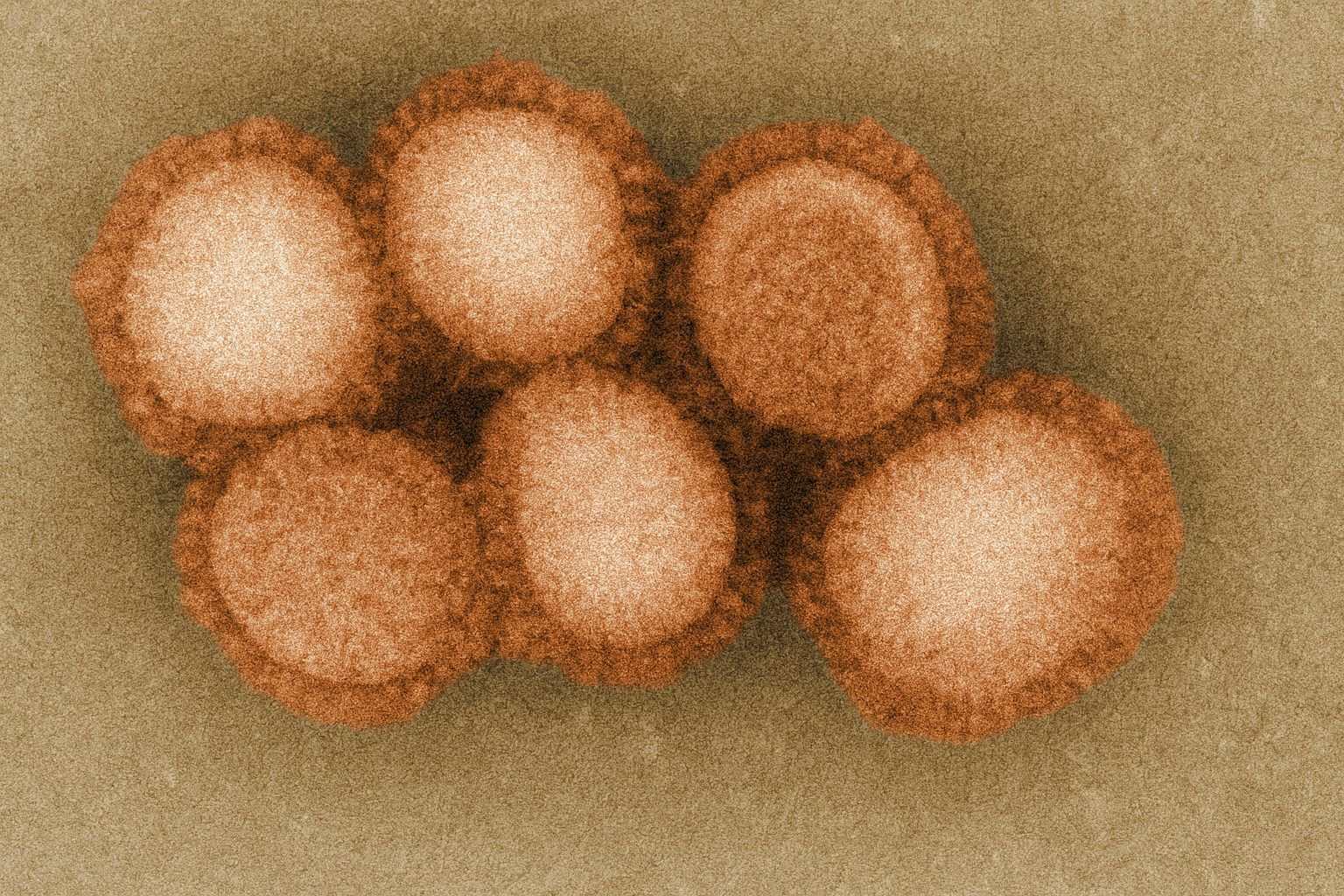
A heavily mutated flu strain — A/H3N2 subclade K, often dubbed the “K-strain” or “superflu” — is now dominating the 2025–26 flu season and driving record levels of illness in parts of the UK and beyond.
On Tuesday, new analysis showed that this K-strain now accounts for around 90% of flu samples in the UK and Japanand has been detected on every continent.The Independent+1 At the same time, NHS leaders in London warn of the “biggest flu wave ever” in the capital, with hospital flu admissions tripling compared with this time last year and “no peak yet in sight”.The Standard
Yet there is some good news: early real‑world data suggests this year’s flu vaccine is still strongly protective against severe disease, even though the K-strain is not a perfect match for the jab.GOV.UK+2The Independent+2
Here’s what we know today about the K-strain, how it’s affecting hospitals and schools, what symptoms to watch for, and what experts say you can do now.
What is the H3N2 K-strain – and why now?
The virus behind this wave is influenza A(H3N2), one of the two main influenza A subtypes that circulate in humans (the other is H1N1). H3N2 has been a regular cause of seasonal flu since the late 1960s, but within that subtype, viruses are constantly evolving into smaller branches called clades and subclades.The Independent+1
The current troublemaker is subclade K (also referred to as J.2.4.1), which:
- Emerged with at least seven new mutations identified in June 2025, after the World Health Organization had already selected an older H3N2 subclade (J.2) for this season’s vaccine.Wikipedia+1
- Rapidly became dominant in the UK, Japan and parts of Canada, now accounting for roughly 90% of flu samples in the UK and Japan and a large share of H3N2 viruses worldwide.The Independent+2Gavi+2
- Has been detected on all continents, making it the main global H3N2 lineage this season.The Independent+1
Scientists emphasise that this is not a brand‑new virus, but an evolution of the familiar human H3N2 lineage that has circulated since the 1968 “Hong Kong flu” pandemic.The Independent+1 Its mutations mainly tweak the virus’s outer proteins so it can better dodge existing immunity — a process called antigenic drift.
Preliminary modelling suggests the K-strain may spread slightly more efficiently than a typical seasonal flu virus, with an estimated basic reproduction number (R₀) roughly a bit higher than usual.Wikipedia But experts stress that this is still in the range of ordinary seasonal flu, not a completely new pandemic-level virus.
How bad is this flu season so far?
UK: early, steep and straining the NHS
Several indicators show the UK is in the middle of a sharp early-season flu wave:
- England: In week 48 (ending 30 November), influenza test positivity climbed to 17.1%, up from 11.6% the week before, with positivity in 5–14-year-olds at 43.6% — far higher than other age groups.GOV.UK
- Genetic typing at the UK Health Security Agency (UKHSA) found that between early October and late November, 420 out of 451 H3N2 viruses belonged to subclade K, confirming it as the overwhelmingly dominant strain.GOV.UK+1
- A separate analysis cited by The Independent and Gavi estimates that around 90% of flu samples in the UK are now A/H3N2 K, with similar dominance in Japan and rapidly rising proportions in North America.The Independent+2Gavi+2
Hospitals are feeling it:
- NHS England data, reported by The Independent, show an average of 1,717 daily flu admissions in England last week — 56% higher than the same week last year and around seven times the daily average seen in 2023.The Independent
- In London, NHS chiefs say the city is facing its “biggest flu wave ever”, with average daily flu bed occupancy at 259 patients, compared with 89 a year ago.The Standard
- Some hospital trusts have reintroduced mask rules in certain areas and warn that rising flu admissions will collide with planned junior doctor strikes in the run‑up to Christmas.The Standard+2The Times+2
Local surges are also being seen in schools and communities. Tabloid and regional outlets report temporary school closures and “firebreak” breaks at institutions such as St Martin’s in Wales and Congleton High in Cheshire because so many pupils and staff are off sick, drawing comparisons with mini Covid‑era shutdowns.The Sun+1
Scotland: cases more than doubling
Public Health Scotland reports that laboratory‑confirmed flu cases more than doubled in a single week, jumping from 845 to 1,759, while hospital admissions rose 70% from 426 to 724 over the same period.Public Health ScotlandOfficials there echo UKHSA in saying that the vaccine is still providing strong protection against severe disease, and are urging everyone eligible to get their jab.Public Health Scotland+1
International picture: US and beyond
The UK’s experience is being watched closely abroad:
- In the United States, flu activity has risen at least 7% in the last week, with an estimated 2 million illnesses, 19,000 hospitalisations and 730 deaths so far this season, according to CDC data reported by ABC News.ABC News
- American doctors say the same K-strain H3N2 variant has become the predominant circulating strain there too.ABC News+2FOX 29 Philadelphia+2
Globally, health agencies are concerned not because the K-strain is dramatically more lethal per infection, but because it is infecting more people earlier in the season, at a time when many countries still have lower vaccination coveragethan before the pandemic.Gavi+1
Is the K-strain more dangerous – or just more disruptive?
Current evidence points to a nuanced picture:
- Similar severity per case: Scientists analysing hospital data in East Asia and early UK datasets have not seen a clear increase in virulence or in the rate of severe complications among those infected with subclade K, compared with other recent H3N2 strains.The Independent+1
- But H3N2 seasons hit harder overall: Historically, seasons dominated by H3N2 tend to cause more hospitalisations and deaths, particularly in older adults, than H1N1‑dominated years. In the UK, for example, an H3N2‑heavy 2022–23 season was associated with around 16,000 flu‑related deaths, compared with about 8,000 last winter and 3,500 the year before.The Independent+1
Experts think three factors make this season feel especially brutal:
- Early start, long runway
Flu activity began several weeks earlier than usual in Japan, Spain and the UK, giving the virus more time to spread before many people had been vaccinated.The Independent+2Gavi+2 - Immunity gap
H3N2 hasn’t dominated recent northern hemisphere seasons, and pandemic-era distancing reduced exposure to flu in general — especially in children. That means fewer people have fresh natural immunity to H3N2, allowing the K-strain to find more susceptible hosts.The Independent+2Gavi+2 - Immune escape plus vaccine mismatch
Genetic changes in the K-strain are focused on the virus’s haemagglutinin “spike” protein, a key target for antibodies. Lab tests in ferrets and human serum show that antibodies generated by this season’s H3N2 vaccine strain don’t recognise K-strain viruses as well, indicating some degree of antigenic drift.GOV.UK+1
The result is a virus that is still “ordinary” flu in terms of severity, but that can infect more people more easily, especially children and older adults — and that alone is enough to put heavy pressure on health systems.
Symptoms of the H3N2 K-strain “superflu”
So far, doctors say the symptoms of K-strain flu look very similar to typical seasonal flu, with a few patterns worth noting.
Common symptoms
According to NHS and UKHSA guidance, and clinical descriptions from UK and US doctors, symptoms tend to come on suddenly and can include:LADbible+4The Independent+4The Independent…
- High temperature (often with chills)
- Aching muscles and joints
- Extreme tiredness or exhaustion
- Dry or persistent cough
- Sore throat
- Runny or blocked nose
- Headache
- Difficulty sleeping and general “washed out” feeling
- Loss of appetite
Gastrointestinal symptoms — such as nausea, vomiting, tummy pain or diarrhoea — are being reported in some patients and seem particularly common in children, something also seen in other H3N2 seasons.The Independent+2ABC News+2
How is it different from a cold?
Compared with the common cold, flu:
- Starts more abruptly (you can often pinpoint the day you became unwell)
- Causes more intense fever, body aches and fatigue
- Is more likely to knock you off your feet for several days, making normal activities very difficult
Colds, by contrast, usually come on gradually and are often dominated by a runny nose and mild sore throat.The Independent+1
Who is most at risk?
As with other flu strains, the people at highest risk of complications include:ABC News+3The Independent+3ukhsa.blog.gov.…
- Adults aged 65 and over
- Babies and young children (especially under 2)
- Pregnant people
- Those with long‑term conditions (e.g. heart, lung, kidney, liver or neurological diseases, diabetes)
- People with weakened immune systems
- Residents of care homes and other long‑stay facilities
In these groups, flu can progress to pneumonia, worsening of underlying conditions, or other severe complications.
How well is the 2025–26 flu vaccine working against the K-strain?
One of the biggest questions this season is whether the flu jab can keep up with the K-strain’s mutations.
The mismatch
- The 2025–26 northern hemisphere vaccine’s H3N2 component was chosen before subclade K took off; it targets an earlier J.2-lineage virus.GOV.UK+2Gavi+2
- Laboratory testing in England shows that most K-strain viruses are antigenically distant from the vaccine strain — i.e. antibodies from animals or people exposed to the vaccine don’t neutralise them as strongly.GOV.UK+1
On paper, that sounds worrying. But real‑world data paint a more reassuring picture.
Real‑world protection looks strong, especially in children
Early estimates from the UK Health Security Agency, published as a preprint and summarised in a government press release, find that this season’s flu vaccine is currently:ABC News+3GOV.UK+3Public Health Scotland+3
- 70–75% effective at preventing hospital attendance or admission for flu in children aged 2–17
- 30–40% effective at preventing hospital attendance or admission in adults
Public Health Scotland and multiple local NHS campaigns are quoting similar figures and emphasise that these levels are in line with, or better than, a typical flu year, especially for younger age groups.Public Health Scotland+2Stay Well Dorset+2
That means that even with a drifted K-strain, being vaccinated significantly reduces your chance of ending up in hospital — and, by reducing infections in children, can indirectly protect older and more vulnerable adults too.GOV.UK+1
International data so far are broadly consistent: US experts interviewed by ABC News and other outlets are advising that, although the vaccine is not a perfect match, it is still expected to cut the risk of severe illness, hospitalisation and complications.ABC News+2FOX 29 Philadelphia+2
Why this flu season feels so overwhelming
Put together, several trends are making this wave feel like the worst in years:
- The K-strain is everywhere
UKHSA data show that the vast majority of flu viruses being sequenced are now A(H3N2) K, with very little influenza B or H1N1 in circulation so far this season.GOV.UK+2The Independent+2 - Kids and teens are driving transmission
In both the UK and Scotland, the highest test positivity rates are in school‑aged children, and early increases were first seen in teenagers and young adults.GOV.UK+2Gavi+2 With schools acting as amplification hubs, outbreaks can quickly spill over into families, workplaces and care homes. - Flu is colliding with RSV, Covid and workforce pressures
Surveillance reports from UKHSA show rising RSV activity and continued Covid circulation on top of the flu surge.GOV.UK+1 NHS leaders warn that incoming doctor strikes during peak winter pressure could compound the strain.The Standard+1 - Vaccination coverage is patchy
Despite good overall protection from the vaccine, many regions are reporting lower uptake than before the pandemic, particularly among younger adults and some high‑risk groups, meaning more people remain vulnerable to severe illness.Public Health Scotland+2Gavi+2
All of this explains why so many people feel as if “everyone is sick at once” — and why hospitals, GP surgeries and ambulance services are under such intense pressure.
What you can do now: practical steps
Public health agencies across the UK, Europe and North America are all stressing the same basic message: this is serious, but there are clear, practical things you can do to lower your risk and protect others.
1. Get vaccinated if you’re eligible
Health authorities strongly recommend the flu jab for:ABC News+3ukhsa.blog.gov.uk+3Public Health…
- Adults aged 65+
- Pregnant people
- Young children (often via nasal spray in schools or GP surgeries)
- People with long‑term conditions or weakened immune systems
- Residents of care homes
- Many frontline health and social care workers
Even if you’ve already had flu‑like illness this season, vaccination may still be worthwhile, as you could be exposed to different strains later in winter. Always check the specific eligibility rules and booking options where you live (e.g. via NHS or your national health authority).
2. Stay home when you’re unwell
UKHSA and Public Health Scotland both advise that if you have flu‑like symptoms and a fever or feel too ill to carry out normal activities, you should:ukhsa.blog.gov.uk+1
- Stay off work, school or college until you feel better
- Avoid visiting hospitals, care homes or vulnerable relatives if you can
- Rest, drink plenty of fluids and use over‑the‑counter remedies (such as paracetamol) as advised on the label
3. Protect others with simple hygiene steps
The core prevention advice hasn’t changed, but it matters more when flu is surging:ukhsa.blog.gov.uk+2Public Health Scotland+…
- Wash hands regularly with soap and water or use hand sanitiser
- Cover coughs and sneezes with a tissue or your elbow and bin used tissues promptly
- Ventilate indoor spaces when meeting others
- Wear a mask if you’re unwell and need to go out, or in crowded indoor spaces, particularly around vulnerable people
4. Know when to seek urgent help
Because this is general information and not personal medical advice, you should always follow local guidance and contact a healthcare professional if you’re worried. In many countries that means calling services like NHS 111, your GP, or the equivalent hotline where you live.
In general, seek urgent medical attention if you or your child has flu symptoms plus any of the following:Michigan.gov+3ukhsa.blog.gov.uk+3Public He…
- Difficulty breathing, chest pain or shortness of breath
- Lips, face or fingertips turning blue or very pale
- Confusion, difficulty staying awake, or sudden severe drowsiness
- Not passing urine for many hours, or signs of severe dehydration
- A fever that doesn’t improve after a few days, or that returns after initially settling
- In children: fast or laboured breathing, not drinking or feeding, seizures, or a rash that doesn’t fade when pressed
If in doubt, it is safer to err on the side of caution and seek professional advice.
The bottom line
As of 9 December 2025, the A/H3N2 K-strain “superflu” is:
- Dominating flu cases across the UK and several other countries
- Driving an early, intense flu season that is putting hospitals and schools under pressure
- Not clearly more severe per infection than previous H3N2 strains, but spreading faster and infecting more people
- Partially mismatched to this year’s flu vaccine on paper, yet still showing strong real‑world protection against hospitalisation, especially in children and high‑risk adults
For governments, the task now is to boost vaccination, support overstretched health services and maintain clear messaging. For individuals, the priorities are simpler: get vaccinated if you’re eligible, stay home when you’re sick, practice good respiratory hygiene and seek help promptly if symptoms escalate.
Flu may be familiar, but this year’s wave is a reminder that “just flu” can still be a serious threat — and that the tools we already have can make a significant difference when we actually use them.