WASHINGTON — A busy Tuesday in U.S. politics and policy delivered fresh flashpoints for the Trump administration, from a major shift in federal student-loan collections to a new batch of Jeffrey Epstein-related records that reference President Donald Trump. At the same time, the administration’s aggressive moves on energy and diplomacy — pausing five large offshore wind projects and recalling nearly 30 ambassadors — signaled an end-of-year push to reshape government priorities heading into 2026.
Below is what’s driving the news on December 23, 2025 — and what Americans should watch next.
Student loan wage garnishment is coming back in early 2026
The U.S. Department of Education confirmed that administrative wage garnishment for defaulted federal student loans will resume in early 2026, ending a long enforcement pause that began during the pandemic era.
According to the department, the first round of notices is expected to go to about 1,000 borrowers during the week of January 7, with notices scaling up month by month through 2026.
This is not a new tool — it is one of the government’s most powerful collection mechanisms — but it is new again for millions of borrowers who have not faced paycheck withholding since COVID-era protections began.
Who is at risk?
A borrower is typically considered in default after more than 270 days without payments on federal student loans, a threshold that opens the door to involuntary collection tactics.
The scale of potential impact is enormous:
- About 5.5 million borrowers are currently in default, according to an analysis of federal student-loan data cited by NPR.
- Another 3.7 million are more than 270 days late, and 2.7 million are in earlier stages of delinquency — pushing the total of borrowers “delinquent or in default” to around 12 million, per the same reporting and analysis. KPBS Public Media+1
That’s more than one in four federal student-loan borrowers in trouble, a level of distress that experts warn could become a “default cliff” if borrowers don’t find workable repayment paths in 2026. KPBS Public Media+1
How wage garnishment works — and why January matters
Under federal rules, the government can direct an employer to withhold money from a worker’s pay to collect on defaulted federal student loans. Borrowers are supposed to receive advance notice (often described as a 30-day notice window) before withholding begins.
How much can be taken from a paycheck?
For non-tax debts owed to the federal government — including defaulted federal student loans — federal law authorizes garnishment up to 15% of disposable earnings, and that withholding must still operate within broader wage-garnishment protections.
The U.S. Department of Labor’s guidance also explains an important baseline protection used in garnishment calculations: in many cases, the weekly amount subject to garnishment cannot exceed the lesser of 25% of disposable earnings or the amount by which disposable earnings exceed 30 times the federal minimum wage.
Why borrowers and advocates are worried about the timing
Borrower advocates have long expected garnishments to restart once pandemic-era pauses ended — but timing is now the issue. Betsy Mayotte, president and founder of the Institute of Student Loan Advisors, told NPR she expects the restart to collide with higher 2026 health-care costs, increasing pressure on low- and middle-income households already struggling with delinquent debt.
What borrowers can do now to avoid garnishment
With notices slated to begin in the week of January 7, the window for action is immediate — especially for borrowers who have moved or changed contact information since the pandemic.
Federal student-aid guidance points borrowers to several ways to avoid or stop wage garnishment, including resolving the default through payment arrangements or other options.
Common “off-ramps” from default include:
- Loan rehabilitation, typically requiring a series of on-time payments to restore good standing.
- Loan consolidation into a new federal Direct Consolidation Loan (with important credit-history tradeoffs).
- Negotiating repayment or settlement options and responding promptly to any garnishment notice.
The Education Department previously signaled that federal collections were restarting broadly — including through the Treasury Offset Program — as part of a broader return to enforcement after the pandemic-era pause.
The bigger context: the student-loan system is being rewritten for 2026
Wage garnishment is landing amid a wider restructuring of federal student loans. NPR reports that the administration and Congress are overhauling major elements of the system — from repayment plans to borrowing limits — including the phaseout of the Biden-era SAVE plan and the creation of new repayment options scheduled for 2026.
That broader churn matters because borrowers facing delinquency often need clear, stable repayment options — and confusion or administrative friction can push struggling accounts from “late” into “default.” VPM
DOJ releases new Epstein records; Reuters reports an email claims Trump flew on Epstein’s jet eight times
On Tuesday, the Justice Department released another tranche of records related to the late financier Jeffrey Epstein, including an email that stated flight records showed Trump flew on Epstein’s private jet eight times in the 1990s, with Ghislaine Maxwell aboard on at least four of those flights.
Reuters reported that the email does not allege Trump committed a crime, but the details conflict with Trump’s prior public denial that he had been on Epstein’s plane.
The Justice Department also posted a statement emphasizing that some materials contain “untrue and sensationalist claims” and said those claims were “unfounded and false,” while still releasing records in keeping with legal transparency requirements and victim protections. Reuters
Political fallout: pressure over a “partial” release
Separately, Senate Democratic leader Chuck Schumer said he would push the Senate to authorize legal action to compel fuller disclosure, arguing the administration failed to meet the law’s deadline for releasing all Epstein-related files.
Trump administration pauses five major offshore wind projects, citing national security concerns
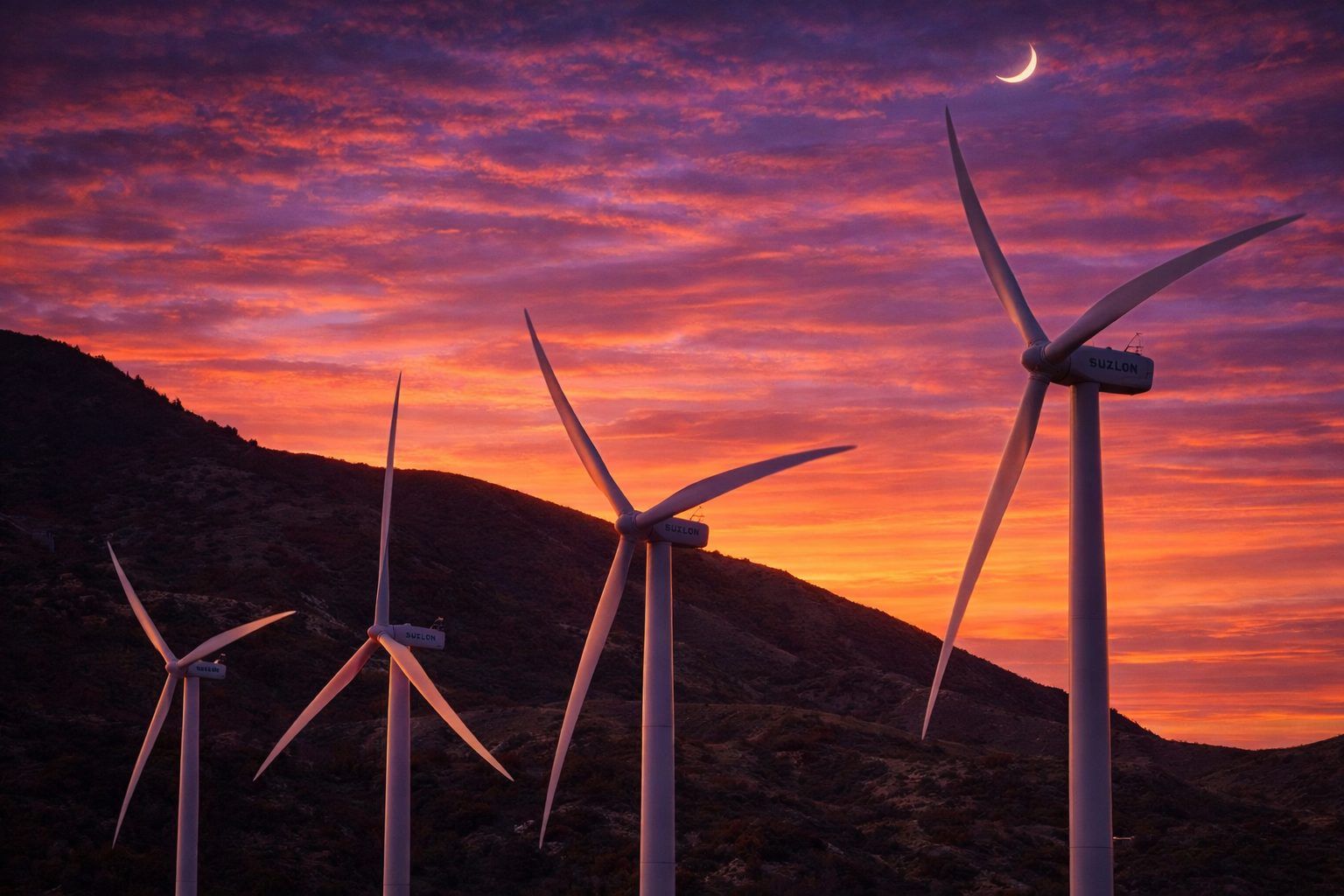
Energy policy also broke into the headlines after the Trump administration suspended leases for five large offshore wind projects under construction off the U.S. East Coast, saying the move was tied to national security concerns.
Reuters reported that the Interior Department framed the pause around Pentagon concerns that turbine blades and reflective towers could create radar interference, complicating threat detection.
The affected projects include major developments tied to Orsted, Avangrid/Copenhagen Infrastructure Partners, Dominion Energy, and Equinor, and the decision sent company shares lower.
State officials in affected areas signaled they were reviewing options, and industry groups argued that national-security reviews were already part of prior permitting processes.
Nearly 30 U.S. ambassadors recalled in an “America First” shakeup
In diplomacy, the administration is recalling nearly 30 career diplomats serving as ambassadors or in other senior embassy leadership roles, part of a broader effort to install personnel aligned with Trump’s “America First” priorities. AP News
The Associated Press reported that:
- Chiefs of mission in at least 29 countries were informed their tenures would end in January.
- While ambassadors serve at the pleasure of the president, many typically serve three to four years; officials said affected diplomats are expected to return to Washington and are not necessarily being removed from the Foreign Service.
- The State Department defended the changes as a standard process, emphasizing ambassadors are personal representatives of the president.
The move has raised concerns among some lawmakers and the union representing U.S. diplomats about politicization and the impact on continuity in sensitive regions.
“Trump-class” battleships: a new “Golden Fleet” plan takes shape
On the national security front, Trump also announced plans to develop a new class of Navy warships dubbed the “Trump-class” battleships, describing them as larger, faster, and dramatically more powerful than prior vessels, beginning with construction of two ships and a longer-term vision of 20 to 25. Reuters+1
Reuters reported the first ship would be named the USS Defiant, and that the Navy secretary said the plan would produce unprecedented tonnage and firepower under construction.
As with any major shipbuilding push, the proposal’s future will hinge on budgets, timelines, and congressional approval — but the announcement is already shaping the political and strategic narrative the administration wants heading into the new year.
What happens next
Several of Tuesday’s developments have near-term deadlines:
- Student-loan garnishment notices are expected to start the week of January 7, making the next two weeks critical for defaulted borrowers to update contact information and pursue default-resolution options.
- The Epstein files rollout is likely to remain politically volatile, with lawmakers pressing for more disclosure and the Justice Department continuing to defend victim protections and redactions.
- Lawsuits and state pushback could shape how long the offshore wind pause lasts and whether projects resume on revised terms.
- The State Department’s ambassador recall orders and backfilling process will determine how quickly embassies stabilize — particularly in regions already experiencing heightened geopolitical competition.
Together, the stories underscore a theme that is increasingly defining this administration’s second term: rapid, high-impact executive action — and the equally rapid legal, political, and economic consequences that follow.