NEW YORK, December 31, 2025, 14:45 ET
A U.S. federal judge in Virginia has delayed Dominion Energy’s bid to quickly restart offshore construction on its Coastal Virginia Offshore Wind project, as the court seeks access to classified material the Trump administration says underpins its stop-work order. The next hearing is set for Jan. 16, after the judge directed the government to submit the classified information to the court by Jan. 9 and to say by Dec. 31 whether it would share that material with Dominion’s security-cleared lawyers.
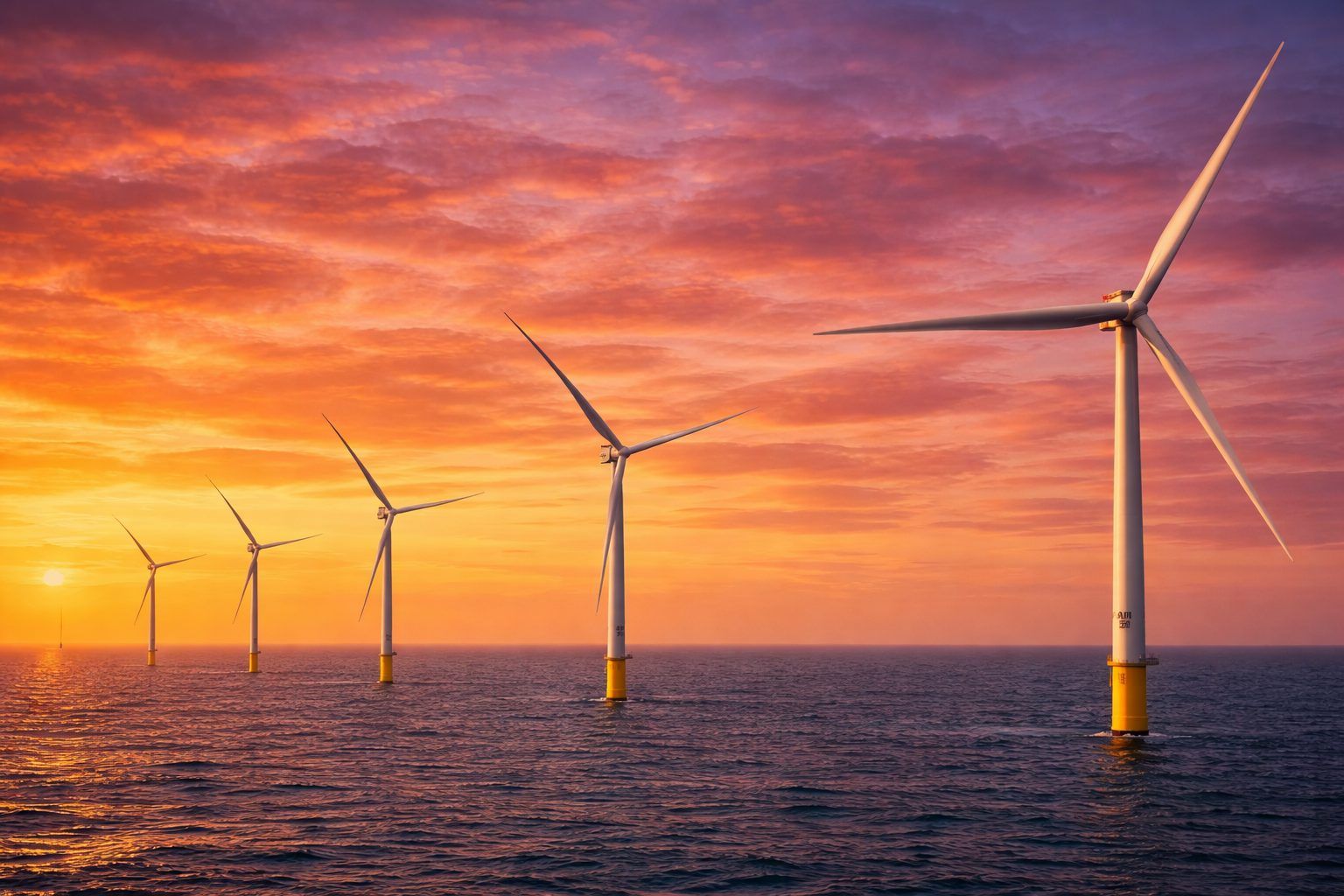
The case has become an early legal test of President Donald Trump’s crackdown on offshore wind, after the administration suspended leases on Dec. 22 for five major projects under construction along the U.S. East Coast. The Interior Department said turbine blades and towers can interfere with radar systems and create national security risks, and the freeze hit projects tied to developers including Orsted, Avangrid and Copenhagen Infrastructure Partners, Dominion Energy and Equinor.
Why it matters now is the scale of work already underway and the cost of stopping it midstream. Dominion has said the pause is costing it more than $5 million a day for construction ships and threatens schedules for a project the company says is needed to meet fast-rising electricity demand tied to data centers.
Judge Jamar Walker shifted Dominion’s emergency request for a temporary restraining order — a short-term, rapid court halt often sought in fast-moving disputes — into a push for a preliminary injunction, which typically sets a longer timetable. A preliminary injunction, if granted, can let work resume while the broader lawsuit plays out.
The administration’s reliance on classified information adds a procedural hurdle for both sides. Classified evidence is material the government says cannot be publicly disclosed, and judges often review it “in camera,” meaning privately, to weigh the claims without releasing details.
The pause has left developers trying to protect equipment and crews while reassessing construction windows that depend on weather and vessel schedules. With installation ships contracted months in advance, delays can ripple through supply chains and financing.
In New York, Equinor’s Empire Wind project has also been caught up in the administration’s actions, and the company’s top executive has described the repeated disruptions as wearing. Equinor CEO Anders Opedal said the latest episode left him with “shorter nails, so to speak,” according to Recharge. Recharge News
State officials have also stepped up pressure on Washington as the projects sit in limbo. New York Governor Kathy Hochul and the governors of Connecticut, Massachusetts and Rhode Island wrote to Interior Secretary Doug Burgum last week urging the administration to lift the halt, arguing the projects had already undergone extensive federal review, including national security assessments.
The outcome in Dominion’s case is being watched closely because the Interior Department’s Dec. 22 action hit multiple developers at once. A ruling that orders work to resume could raise the bar for using national security claims to stop already-permitted construction.
A ruling that upholds the stop-work order could instead force developers and state partners into a longer pause while federal agencies review whether the risks can be mitigated. That could also shape how future offshore projects are permitted and financed.