New York, Jan 13, 2026, 04:52 EST
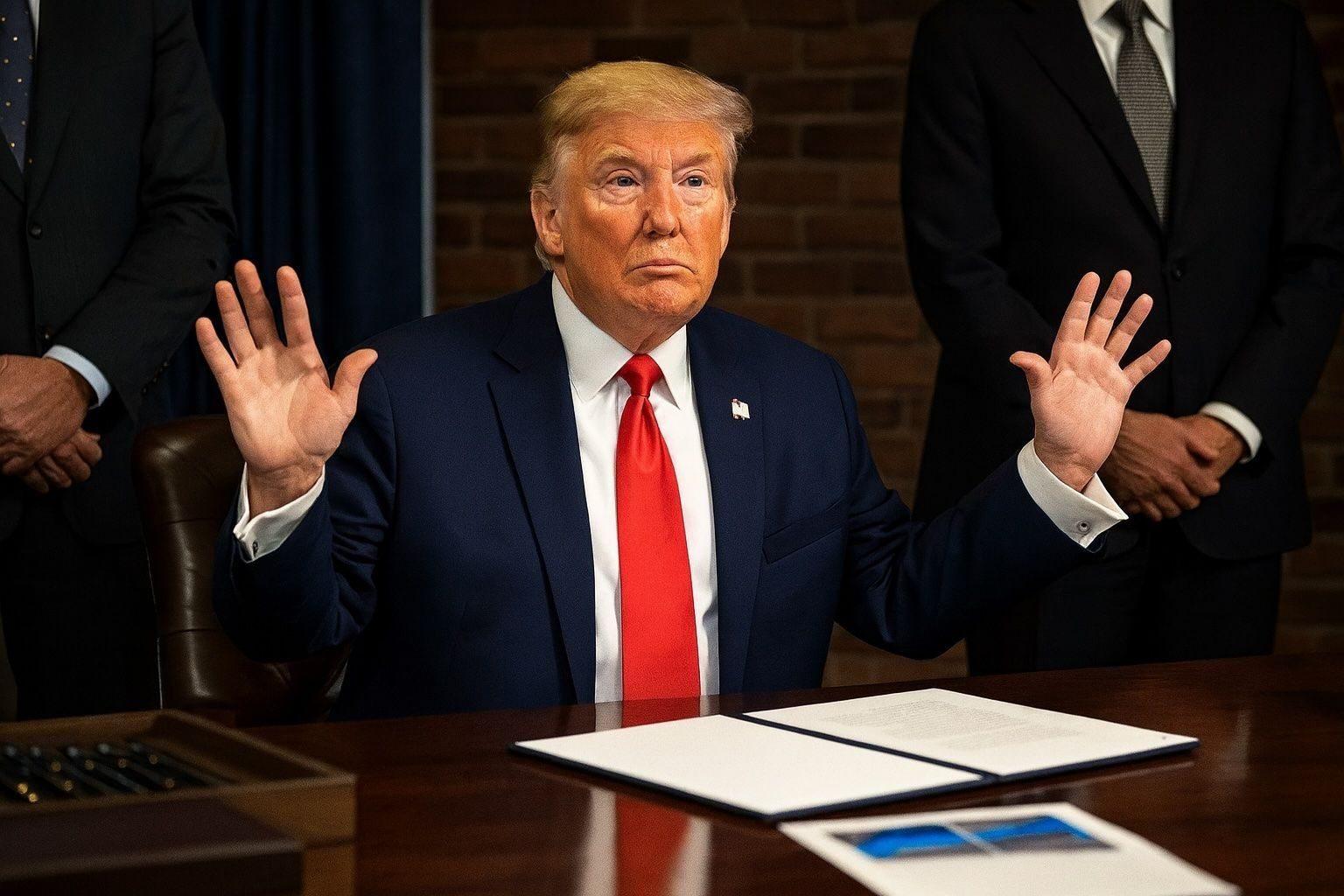
- Shares of U.S. banks and card-linked companies dropped following President Donald Trump’s proposal to cap credit card interest rates at 10% for one year
- Analysts and industry groups cautioned that the cap might squeeze profits, resulting in tighter credit and increased fees
- The proposal arrives just as major banks kick off earnings season and get ready to tackle credit trends alongside political risks
U.S. financial stocks tumbled Monday after President Donald Trump proposed a one-year cap on credit card interest rates, sparking concerns over a major profit driver. JPMorgan Chase (JPM.N) slid 2.5%, Bank of America (BAC.N) lost 1.6%, Citigroup (C.N) dropped 3.7%, and Wells Fargo (WFC.N) dipped 1.5% in early trading. UK-listed lenders also declined.
The proposal comes as bank earnings season kicks off, adding to market jitters over political risks tied to consumer borrowing costs. Raymond James Washington policy analyst Ed Mills noted that “legislative risk remains relatively low.” Wolfe Research’s Tobin Marcus added he was “not aware of an authority” that could unilaterally impose a wide-reaching cap. InvestmentNews
Banks and trade groups swiftly painted the cap as a major hit to credit access, particularly for riskier borrowers. The Electronic Payments Coalition flagged that credit card accounts linked to scores under 740 — covering 82% to 88% of open cards — would face closure or severe limits under a 10% cap. Its executive chairman, Richard Hunt, cautioned against a “one-size-fits-all government price cap.” Reuters
The debate crossed into Europe as investors reacted to the same headline risk hitting banks. Hargreaves Lansdown senior equity analyst Matt Britzman warned a 10% cap on credit-card rates would “upend the basic economics of the industry.” Reuters
Not everyone in finance took the headline alike. SoFi CEO Anthony Noto said a cap might open up “a large void” in credit card lending, one personal-loan providers could step into. Bill Ackman fired back, calling it “a mistake President,” warning issuers would yank cards from millions of borrowers. Banking groups also cautioned this could shove people toward “less regulated, more costly alternatives.” Business Insider
Trump left unclear how the cap would actually be enforced. That lack of detail is just as significant as the headline in markets already scrambling to gauge policy risk on the fly.
A rate cap is just what it sounds like: a legal ceiling on the interest charged. For credit cards, that interest is shown as an annual percentage rate, or APR, and it tends to run higher than other consumer loans since the debt is unsecured—there’s no collateral if the borrower defaults.
Card-heavy lenders faced the sharpest losses Monday as investors zeroed in on those reliant on interest income and fees. Payment networks also dipped, reflecting concerns the market is bracing for a wider pullback in credit card spending if issuers clamp down.
The industry’s core worry is clear: if returns hit a ceiling but credit losses remain volatile, lenders will tweak the product. That could lead to reduced credit limits, fewer approvals, cutback rewards, and fresh fees designed to move costs off interest and onto consumers.
Consumers who still qualify for cards and carry balances could benefit from lower borrowing costs. But the market’s reaction points to investors focusing more on the tradeoffs and battles over how this will be implemented first.
The policy route remains the largest wild card. Even those backing lower rates admit the practical snag: broad caps usually need legislative approval, and trying to bypass that with executive orders would almost certainly face legal battles and lengthy delays.
Investors are now grappling with a headline landing just as bank execs take questions from analysts and investors during earnings calls. Expect comments on card delinquencies, credit standards, and political risk strategies to shake up prices as much as the initial news.