London, Jan 21, 2026, 09:27 GMT
European shares edged down Wednesday as worries lingered over U.S. President Donald Trump’s tariff threats related to Greenland. By 0810 GMT, the STOXX 600 had fallen 0.1%, with financials, especially banks, leading the losses. London’s FTSE 100 remained flat. Meanwhile, miner Rio Tinto gained after surpassing full-year iron ore shipment forecasts. Reuters
The FTSE 100 slid 0.72% Tuesday, hit by Trump’s threat to impose a 10% tariff on imports from eight European countries including Britain, starting Feb. 1—unless the U.S. can buy Greenland. Laura Cooper, strategist at Nuveen, said, “Geopolitical tensions have dented sentiment and cooled early-year exuberance.” AstraZeneca shares dropped after it announced plans to delist its American Depositary Shares and debt securities from Nasdaq. Reuters
Bond markets picked up speed sharply. Japan’s 10-year government bond yields jumped almost 19 basis points over just two sessions. At the same time, long-dated U.S. yields hit their highest point since late August, reflecting concerns about rising borrowing and political uncertainty. Seema Shah, chief global strategist at Principal Asset Management, said, “If there is a strong mandate following the election, that could open the door to more fiscal spending.” Reuters
Bloomberg noted that worries about tariffs and a selloff in Japanese bonds have revived a “sell America” mood, pushing investors toward safe havens like gold and the Swiss franc. Bloomberg.com
UK labour-market figures did little to ease concerns. Unemployment held firm at 5.1% for the quarter ending November, while wage growth excluding bonuses slipped to 4.5%, official data showed, cited by interactive investor. Meanwhile, shares in French drinks firm Remy Cointreau tumbled more than 4% after Trump threatened a 200% tariff on French wine and champagne. Interactive Investor
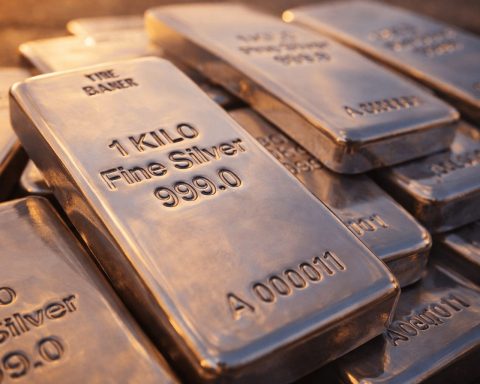
Risk assets took a hit on Tuesday. The S&P 500 slid 2.06%, the Nasdaq fell 2.39%, and Europe’s STOXX 600 eased 0.7%. Gold, by contrast, shot up to a fresh peak of $4,757.78 an ounce. “This is a pretty significant risk-off day,” said Wasif Latif, chief investment officer at Sarmaya Partners—traders’ shorthand for a shift from stocks to safer havens. Reuters
The S&P 500 closed at 6,101.26, with the Dow ending the day at 43,487.83, the Associated Press reported, as traders weighed Trump’s tariff warning linked to Greenland. AP News
Japan’s selloff hit hardest at the long end. Twenty-year yields surged 28 basis points in just two days, climbing past 3.4%. Meanwhile, 30- and 40-year yields jumped about 40 basis points, breaking above 3.8% and 4%, respectively. Traders are labeling this a debt shock that recalls previous bouts of turmoil. “Markets are digesting the idea that all parties in Japan are in a race to see who can promise to spend more money,” said Ales Koutny, head of international rates at Vanguard in London. Reuters
Opposition leader Yuichiro Tamaki told Reuters the government and Bank of Japan need to act “decisively” to counter what he called abnormal market moves. He floated options like buying back bonds or cutting issuance of ultra-long debt, which typically matures in 30 to 40 years. Tamaki didn’t rule out currency intervention either, aiming to support the yen. Reuters
Investors are staying cautious ahead of the Bank of Japan’s policy meeting this Friday. Fred Neumann, HSBC’s chief Asia economist, flagged the Governor’s press conference as a critical event. He warned that a dovish tilt could trigger heightened market swings just before the election. Reuters
Higher yields are squeezing stocks by driving up borrowing costs across the board—from mortgages to corporate bonds. Ian Lyngen, BMO Capital Markets’ head of U.S. rates strategy, flagged Trump’s warning on tariffs targeting wine as “just the start of a tariff escalation.” Investopedia
A Reuters Morning Bid column highlighted that investors are focused on Thursday’s emergency meeting of EU leaders to gauge Europe’s next steps. At the same time, Citi downgraded European equities, citing rising earnings uncertainty. Attention is also turning to the World Economic Forum in Davos, where policymakers and business leaders will weigh the likelihood of fresh trade measures. Reuters
The key danger now is that policy risks materialize quickly, pushing markets to rethink growth and interest rates at once. Axel Rudolph, senior technical analyst at IG, said, “Markets have slipped back into a risk-off mood,” pointing to persistent geopolitical and trade tensions as factors likely to keep volatility elevated. proactiveinvestors.com