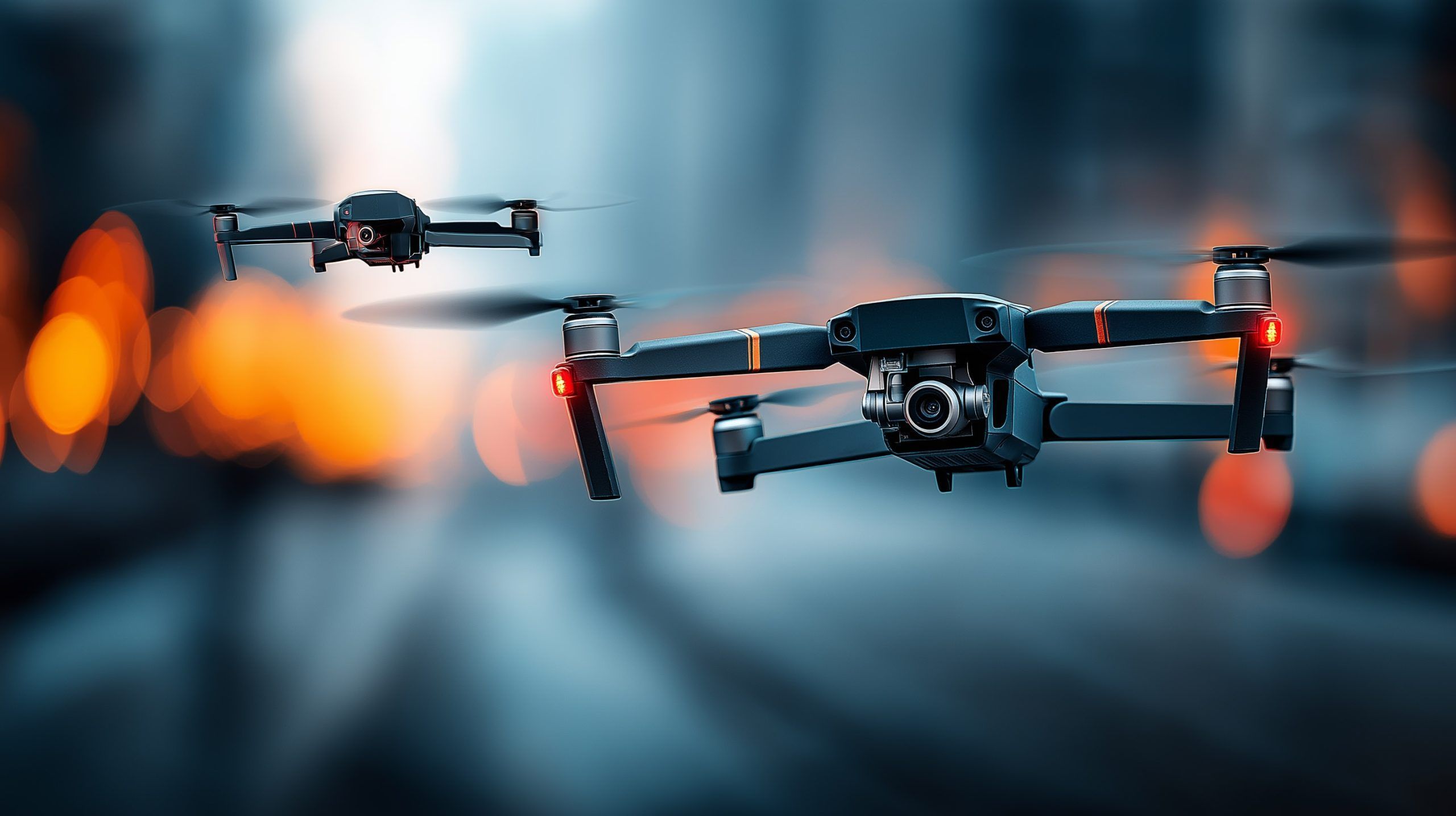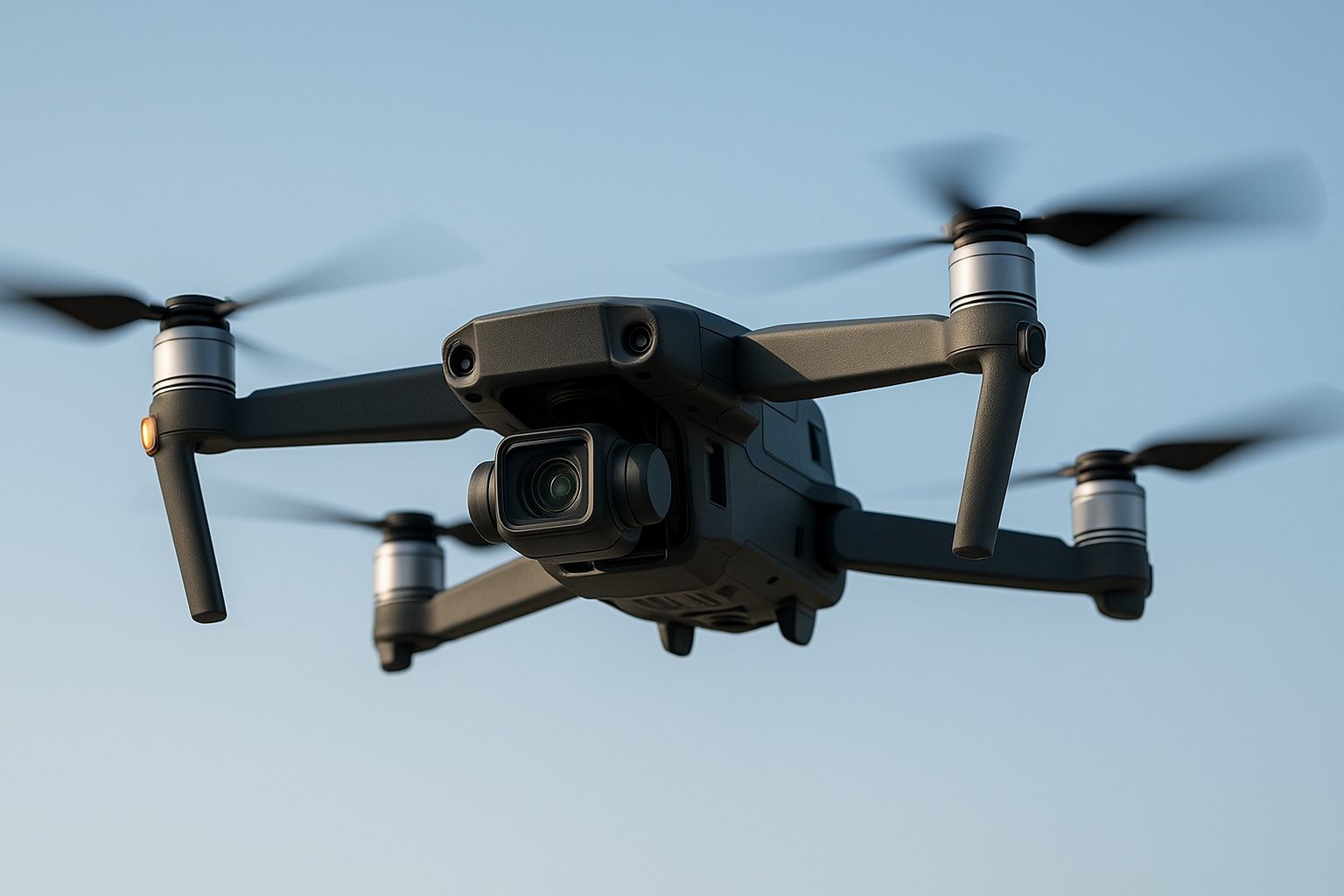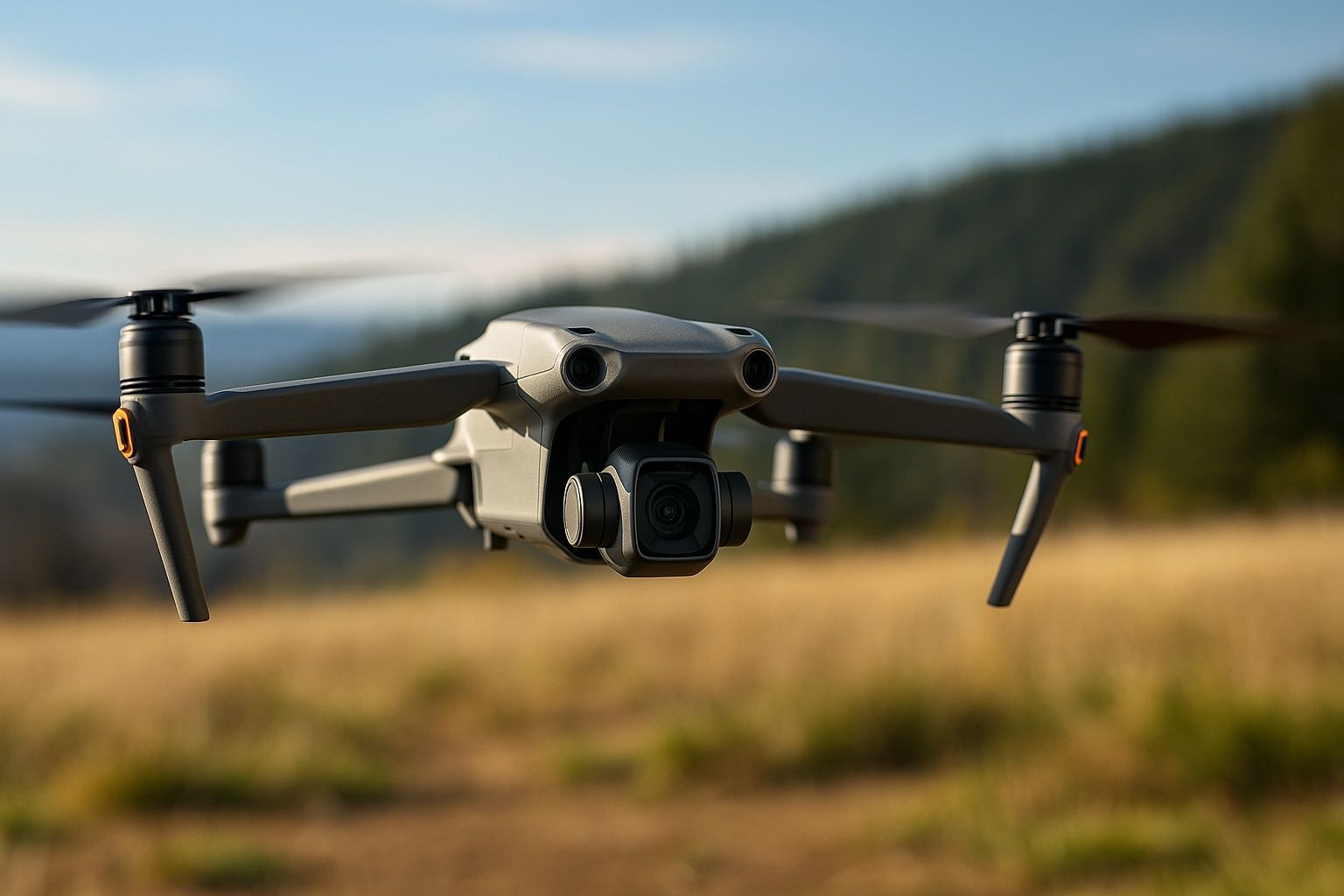

- Court Decision: On Sept. 26, 2025, U.S. District Judge Paul Friedman rejected Shenzhen-based DJI’s lawsuit and upheld the Pentagon’s designation of DJI as a “Chinese military company” suasnews.com reuters.com. This means DJI will remain on the Defense Department’s blacklist (Section 1260H list) for alleged ties to China’s military-industrial base.
- Key Evidence: The court found that DJI’s status as a National Enterprise Technology Center (NETC) – a Chinese government award that brings subsidies and tax breaks – plus its drones’ dual-use military/civilian capabilities, constituted “receiving assistance” from China’s defense apparatus suasnews.com dronedj.com. Other DoD claims (like state ownership or fusion zones) were largely rejected by the judge.
- Impacts on DJI: Being branded a military-linked company bars DJI from new U.S. federal contracts and stigmatizes its brand dronedj.com reuters.com. DJI already reported losing “hundreds of millions” as customers drop contracts dronexl.co. U.S. Customs is also impounding DJI drones under labor-sanctions rules. As a result, Federal agencies (DoD, Homeland Security, etc.) can’t use DJI drones beginning 2026 dronedj.com reuters.com, and new product approvals face uncertainty.
- Market Share: DJI dominates U.S. and global drone markets (roughly 50%+ of U.S. drones, 70–90% of consumer drones worldwide) dronexl.co timesunion.com. Most state/local agencies (about 88%) still rely on DJI or other Chinese drones timesunion.com. The ruling forces millions of American drone users – from hobbyists to police and businesses – to consider alternatives.
- Alternatives Rising: U.S. drone firms like Skydio (0.5% U.S. share) and Parrot (France) are touted as replacements, but experts warn these are more expensive and less mature. For example, BRINC police drones cost ~3× a DJI model dronexl.co timesunion.com. Industry pros say flying American drones “will set us back” due to cost and capability gaps timesunion.com.
- Security Context: Cybersecurity experts highlight national-security risks. Georgia Tech’s Annie Anton warns there are “clear national security risks” from relying on Chinese-made drones, since Chinese law can compel companies like DJI to aid state intelligence timesunion.com. Indeed, DJI is already banned from syncing U.S. data to China, and some officials liken a drone market without DJI to “the internet without Google” timesunion.com dronexl.co.
Case Background: Pentagon’s 1260H Blacklist
Since 2022, the Pentagon has kept a running “1260H list” of foreign firms linked to China’s defense sector. Companies on this list aren’t outright banned from sales, but they lose government contracts and gain a stigma of being national-security risks dronedj.com dronedj.com. DJI – the world’s largest drone maker – was added in 2022 under the National Defense Authorization Act (NDAA) after the DoD decided it met criteria for a “military-civil fusion” company. DJI immediately suited up in court (October 2024) to clear its name, arguing it wasn’t owned/controlled by China’s military and only makes commercial drones dronedj.com dronedj.com.
The Lawsuit and Ruling
In October 2024 DJI sued the U.S., calling the Pentagon’s decision “unlawful and misguided” dronedj.com. Its suit claimed DJI’s label caused “lost business deals” and blocked federal contracts dronedj.com reuters.com. The trial focused on two legal tests: whether DJI is (1) owned/controlled by the Chinese state, or (2) a “military-civil fusion contributor” to China’s defense base suasnews.com.
In a detailed 49-page opinion released Sept. 26, Judge Friedman examined the Pentagon’s evidence. He threw out most claims: state investors held only ~4% of DJI stock, no proof they controlled DJI suasnews.com; alleged “fusion zones” were based on confusion or unbuilt projects suasnews.com; a former DJI engineer’s past government links had “little probative value” suasnews.com. Instead, the court zeroed in on one factor: DJI’s NETC designation by China’s National Development and Reform Commission suasnews.com theverge.com.
Because the NETC award gives DJI subsidies, grants and tax breaks, the judge treated that as evidence DJI was “receiving assistance from the Chinese government” suasnews.com theverge.com. Under the NDAA rules, even this alone makes DJI a “military-civil fusion contributor” (a term for dual-use companies). The court noted DJI’s drones have “substantial” military applications (since they can be adapted for combat even if DJI says they’re for civilians dronedj.com), so the NETC + dual-use evidence satisfied the label. In short, Friedman agreed DJI had “sufficient evidence” of contributing to China’s defense base reuters.com, and thus upheld the Pentagon listing on those narrow grounds suasnews.com theverge.com.
Judge Friedman also rejected DJI’s due-process claims – basically ruling that the reputational and business harm DJI suffered was not a violation requiring more government procedure suasnews.com. In sum, the court acknowledged its evidence was not “bulletproof,” but said the DoD has broad discretion in national-security designations theverge.com dronexl.co, so it deferred to the Pentagon’s conclusion.
Consequences for DJI and U.S. Drone Users
For DJI: The ruling cements DJI’s exclusion from future U.S. federal programs. From 2026 on, no federal agency can use DJI drones dronedj.com. DJI has already lost major government clients and says it lost “hundreds of millions” as businesses walk away dronexl.co. U.S. drone retailers report shortages: Customs is holding DJI shipments under the Uyghur Forced Labor Act, depleting stock dronexl.co timesunion.com. Even a planned ban on new DJI imports (late 2025) looms unless the Pentagon’s mandated security review is passed. DJI has signaled it will appeal the decision theverge.com, but judges normally give leeway in security matters.
For Drone Pilots and Agencies: Consumers and hobbyists can still buy and fly DJI drones today (there’s no consumer sales ban yet) dronedj.com, but costs may rise. Many training programs and operations are built around DJI’s user-friendly drones. Switching is painful: as one New York farmer put it, “[We’re] so far behind” on U.S. alternatives that flying American drones is “a huge upfront cost” timesunion.com. Emergency services worry too: an Albany sheriff said losing DJI would “eliminate” his search-and-rescue unit timesunion.com.
Crucially, nearly all state and local agencies rely on DJI or similar Chinese models. A New York Civil Liberties Union analysis found ~88% of drones registered to state/local agencies were made by DJI or fellow Chinese firm Autel timesunion.com. A drone consultant warns: a U.S. market without DJI “is like the internet without Google or electric vehicles without Tesla” timesunion.com. Law enforcement already spent ~$150K on DJI gear, and replacing it would be slow and costly timesunion.com.
Industry and Competitor Dynamics
DJI’s downfall has put the spotlight on other drone makers. Skydio, a California company, has raced to scale up, touting Made-in-USA security. Autel Robotics (Chinese-owned, with U.S. HQ) and Parrot (France) also vie for customers. But all these have far smaller footprints: Skydio sells <1% of U.S. drones, Autel ~8–9% dronexl.co. Tech analysts note Western firms lack DJI’s vast supply chain and R&D ecosystem timesunion.com.
U.S. alternatives come at a premium. For example, police in New York paid triple the price for BRINC drones compared to DJI dronexl.co timesunion.com. A videographer turned to Anzu, an Austin drone brand partnered with DJI; but its “Raptor” model – essentially a re-skinned DJI Mavic 3 – sells for $1,500 more timesunion.com, sparking concerns it’s just a workaround to avoid bans. Many experts now say the U.S. may need years (and lots of funding) to catch up in drone tech.
National Security Debate
Beyond economics, the case highlights deep U.S.-China tech tensions. Security officials argue China’s laws allow it to compel any domestic company to spy for the state. Prof. Annie Anton (Georgia Tech) warns there are “clear national security risks from relying on Chinese-built drones,” pointing out DJI “is obligated to support People’s Republic of China state intelligence work, no matter where [its products] are used” timesunion.com. The Department of Homeland Security’s CISA agency has similarly warned Chinese electronics can be commandeered for spying.
DJI counters that it has cut off Chinese data sync for U.S. users, and its drones can fly offline. But skeptics note the ubiquity of DJI gear means Chinese influence is pervasive. In 2021, the U.S. Treasury even branded DJI part of China’s “military-industrial complex” for alleged surveillance abuses, a charge DJI calls “entirely unfounded” timesunion.com.
Lawmakers on both sides have pushed for drone restrictions. The 2023 NDAA banned most government drone buys from China; Congress is discussing broader bans on all new Chinese-made drones. With this court ruling, the legislative pressure may intensify.
Looking Ahead
DJI says it’s “disappointed” but evaluating options theverge.com. It faces a December 2025 deadline: a mandated Pentagon security review could automatically ban all DJI products if not cleared. So far, agencies have not triggered that review, but if they do, new DJI imports could halt entirely.
Meanwhile, the U.S. drone ecosystem braces for change. Industry consultants expect more consolidation and possibly a surge in domestic R&D funding. “My responsibility…is to get [clients] the best technology,” says videographer Edward Kostakis – and currently “that’s DJI” timesunion.com. That hard truth underlines the challenge: balancing innovation and security is now a central conflict in the skies.
Sources: Recent court filings and news reports suasnews.com reuters.com dronedj.com timesunion.com; industry analysis and expert commentary dronexl.co timesunion.com.