
NEW YORK, May 6, 2026, 07:09 (EDT)
- Uber missed on first-quarter revenue, but its outlook for second-quarter gross bookings topped Wall Street forecasts.
- Shares climbed roughly 8% ahead of the bell—topping the near-7% swing options traders had anticipated earlier this week.
- Lyft is set to report after Thursday’s close. Investors are zeroing in on rides, bookings, and margins, tracking whether the company can keep up.
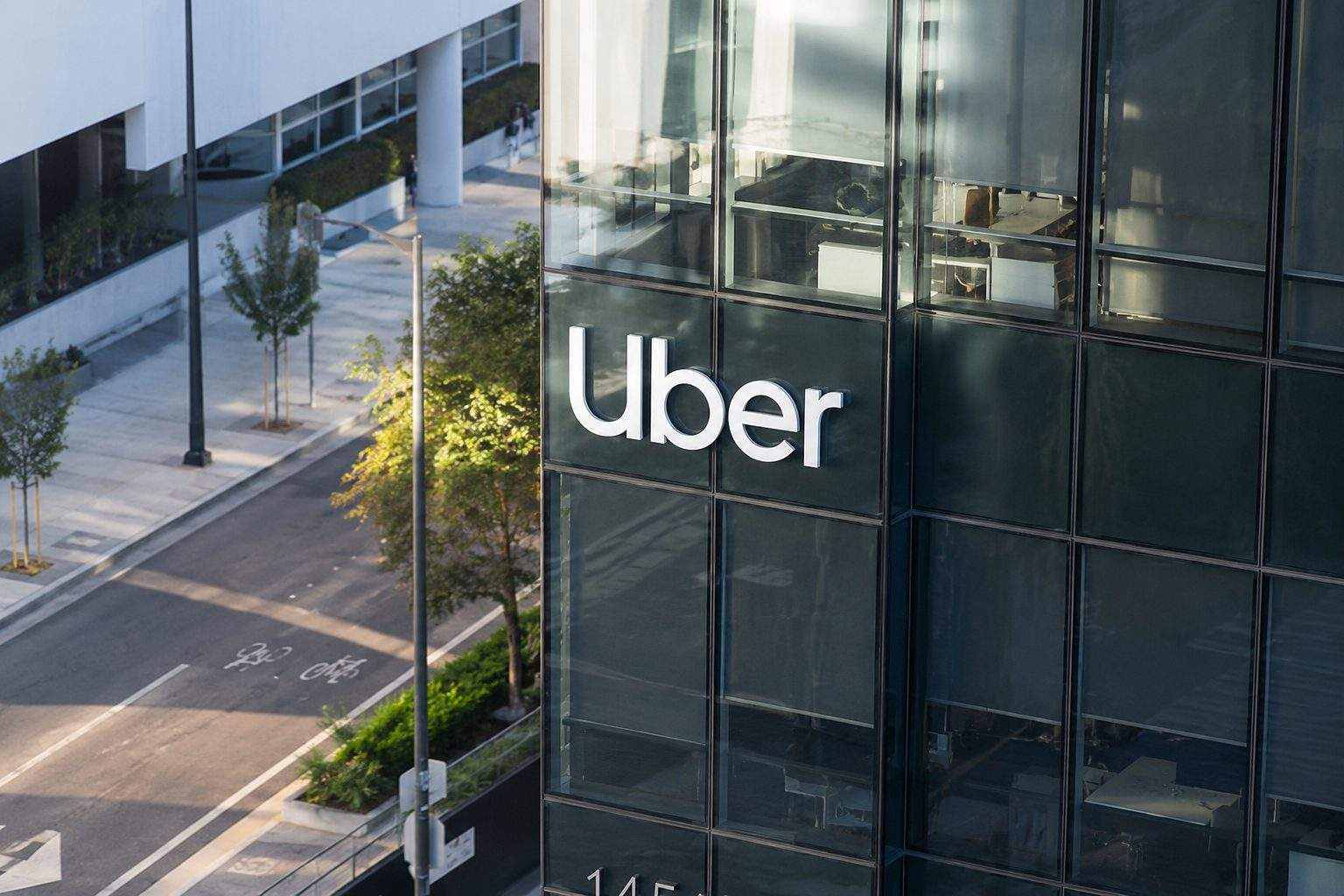
Uber Technologies sent shares up roughly 8% premarket Wednesday after projecting second-quarter bookings that topped Wall Street forecasts. The San Francisco company’s ride-hailing and delivery units showed solid demand, a contrast to its first-quarter revenue miss.
Timing is key here. Uber and Lyft headed into earnings week with Wall Street zeroed in on ride volume, delivery momentum, and how their tie-ups on self-driving tech might counteract rising fuel costs, weather snags, and mounting pressure from the likes of DoorDash and Waymo.
Gross bookings climbed to $53.7 billion in the first quarter, topping the consensus estimate of $52.84 billion. Revenue came in at $13.2 billion, up 14%, but still short of the $13.62 billion figure analysts were looking for, LSEG data showed, according to Reuters.
Uber is projecting gross bookings for the second quarter between $56.25 billion and $57.75 billion, topping the average estimate of $56.07 billion. The company also sees non-GAAP earnings per share coming in at 78 to 82 cents—numbers that exclude certain items under standard accounting.
Uber’s ride-hailing business posted $6.8 billion in revenue, coming up short of the $7.11 billion consensus. Delivery and freight, though, both landed above estimates. The company pointed to U.S. winter storms, turbulence in the Middle East and pricier gasoline as reasons for the quarter’s underperformance.
Uber CEO Dara Khosrowshahi said the company is “continuing to deepen the role Uber plays in daily life.” Meanwhile, Chief Financial Officer Balaji Krishnamurthy pointed out that earnings are scaling “at more than twice our topline.” The company also announced that its Uber One membership program has surpassed 50 million users, now generating about half of gross bookings in both mobility and delivery. Uber Investor Relations
Uber shares reacted after a stretch of unusually active positioning. According to Investopedia, options were pricing in a move close to 7% by week’s end, starting from around $74. Visible Alpha, meanwhile, showed Wall Street was looking for first-quarter gross bookings of $52.89 billion, revenue at $13.29 billion, and adjusted earnings coming in at 70 cents per share.
Prediction-market traders weren’t betting big on Uber’s bottom line. As Benzinga pointed out Tuesday, Polymarket odds had Uber at just a 13% shot to beat consensus GAAP EPS of 71 cents. Actual results? Uber posted GAAP diluted earnings of 13 cents per share—dragged down by a $1.5 billion pre-tax hit from marking down equity investments.
Autonomous vehicles are still a tough nut for Uber. The company says it’s teamed up with over 20 firms working on self-driving tech, aiming to roll out rides using these partnerships—not its own systems—in up to 15 cities around the world by the close of 2026.
Lyft’s earnings are set to hit after Thursday’s closing bell, with the call scheduled for 5 p.m. Eastern. The company’s previous outlook had first-quarter gross bookings pegged between $4.86 billion and $5.00 billion, and adjusted EBITDA coming in at $120 million to $140 million. Adjusted EBITDA, here, leaves out interest, taxes, depreciation, amortization, plus other items.
Lyft’s challenge isn’t as broad. Without Uber’s delivery muscle, it’s more exposed to shifts in ride demand, price moves, and how tightly it manages costs—even with its recent push into taxis, premium rides, and some international expansion. Back in February, CFO Erin Brewer told investors the company was “right on track to hit our long-term targets.” Now, with Thursday’s results looming, those claims get measured directly against Uber’s rosier guidance. Lyft, Inc.
Related articles: Technology