
LONDON, April 20, 2026, 09:34 BST
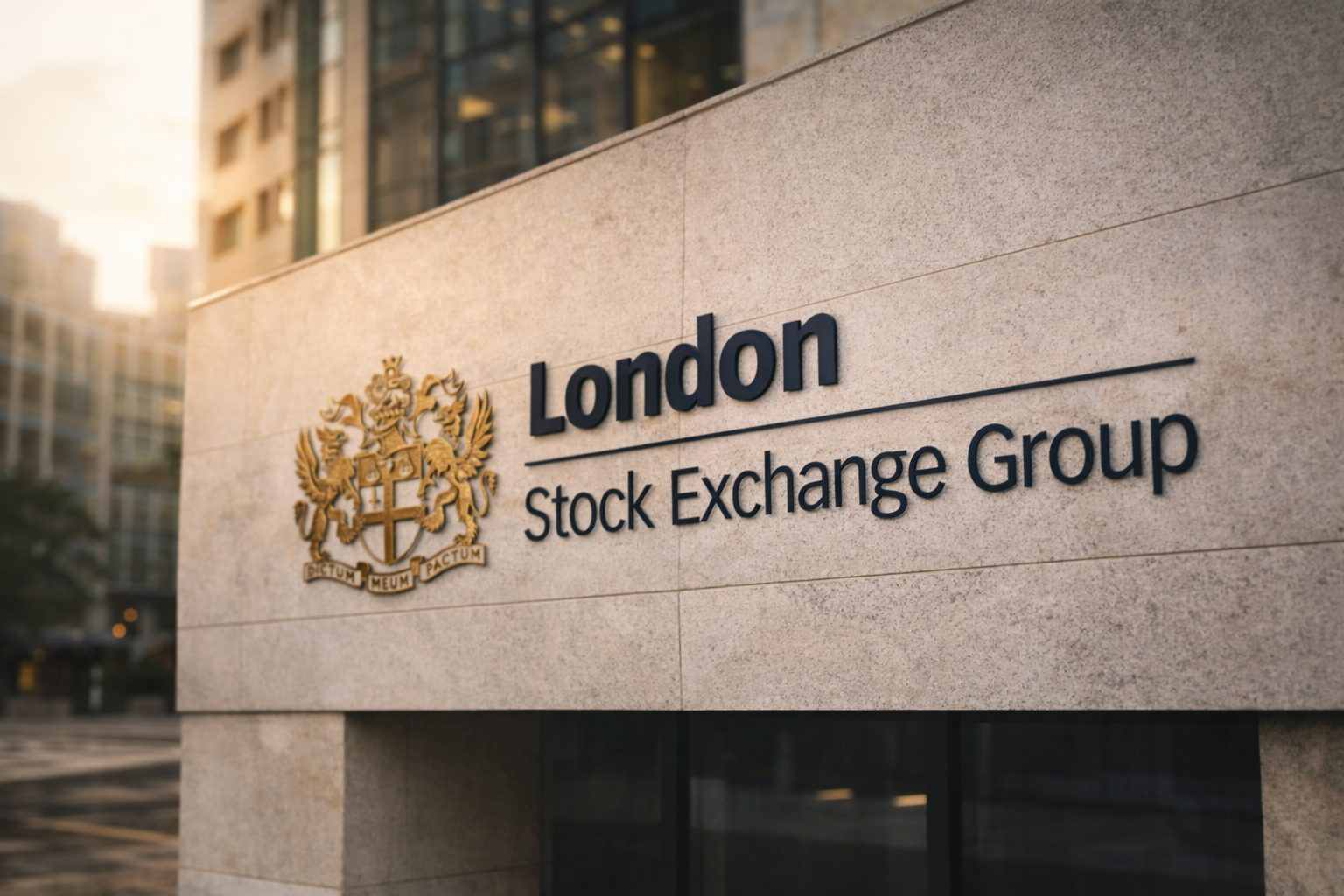
The FTSE 100 opened in the red on Monday, dragged down by renewed U.S.-Iran tensions that sent oil prices climbing and unsettled risk appetite in Europe. Energy names did provide a partial offset. LSEG’s delayed data showed the UK benchmark off roughly 0.6%, hovering near 10,606. Over in Paris, the CAC 40 dropped 1.3%. Germany’s DAX lost 1.5%.
Because energy stocks carry so much weight in the FTSE 100, sharp swings in oil prices can lift the whole index—even if rising fuel costs squeeze other sectors. On Monday, European energy shares rose 1.9%. Travel and leisure names lost 2%. Banks shed 1.8% as traders digested fresh inflation fears and concerns about tighter credit.
Friday’s action flipped fast. The FTSE 100 closed up 0.7% at 10,667.63 after Iran signaled it would keep the Strait of Hormuz open during the ceasefire, knocking oil prices below $90 a barrel. But the mood soured just as quickly: news broke that Washington had seized an Iranian cargo ship, and Tehran ruled out more talks before the truce ends, wiping out those early gains.
Brent crude jumped $5.51, trading at $95.89 a barrel as of 0752 GMT, clawing back ground after Friday’s steep 9% plunge. Attention is zeroed in once more on the Strait of Hormuz, a key chokepoint moving about a fifth of the world’s oil—now firmly under the market’s microscope.
Saxo chief investment strategist Charu Chanana said the flare-up over the weekend has brought a conflict premium back into play, with oil prices now caught up in what she terms a “growth-and-rates story.” Chris Weston, head of research at Pepperstone, called the early selling “orderly rather than indicative of a major volatility shock.” Reuters
Britain’s facing this head-on. Just last week, IMF chief economist Pierre-Olivier Gourinchas bumped up the UK’s core inflation forecast, now pegging it at 2.7% for 2026—higher than January’s 2.2% call. He also highlighted how stubbornly exposed the UK remains to any spike in gas prices.
Britain’s economy expanded 0.5% in February, beating expectations, official data showed Thursday. But the outlook is shaky. Fergus Jiminez-England at the National Institute of Economic and Social Research called out the recent energy shock, which he said had “pulled the rug on this momentum.” He pointed to the risk of another year with inflation stuck above target and a softer jobs market. Reuters
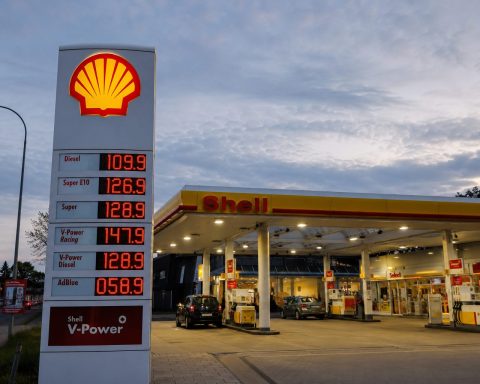
Investors know this pattern well. BP flagged “exceptional” first-quarter trading results on April 14, while Shell—per Reuters—highlighted strong oil trading. Those sorts of updates usually prop up London’s two energy heavyweights, and with them, give the FTSE some insulation when crude prices surge. Reuters
The hedge isn’t bulletproof. Europe’s travel sector dropped 2% on Monday, while banks were down 1.8%. UK 10-year yields added around 4 basis points, Reuters market data showed. Should the Strait stay shuttered or talks break down ahead of Tuesday’s ceasefire deadline, that could keep oil firm—and consumers feeling it, not to mention continued pressure on rate-sensitive stocks. “The immediate focus was on oil and supply shortages driving inflation,” said Bob Savage, head of markets macro strategy at BNY. Reuters
UPDATE: April 20, 2026, 12:45 CET – UK stocks slipped further, with the FTSE 100 down about 0.6%, as oil blasted past $95 a barrel after the U.S. seized an Iranian cargo ship and clashes flared up again near the Strait of Hormuz, unsettling investors and hammering travel shares on fresh fuel worries. Energy majors moved the other way, tracking crude’s more than 5% jump Reuters. European trading grew jittery as the latest tensions “disrupted global oil flows,” sending airline stocks into a tailspin, according to market coverage The Guardian. Analysts flagged the risk of tighter supplies, with one update highlighting ongoing uncertainty around the Strait—a key artery for world oil—which has kept prices “on edge” as ceasefire talks remain unresolved The Economic Times. “Markets are increasingly sensitive to any disruption in Hormuz,” strategists at major firms said, warning that oil near $100 could prolong inflation. Sentiment was already under strain, with UK consumer confidence at multi-year lows and growing fears of recession adding to the pressure from pricier energy and geopolitical shocks The Guardian.