LONDON, Jan 8, 2026, 00:03 GMT
- UK drinking water inspectorate told MPs Kent plant was “flying blind” before supply collapse
- South East Water chief blamed an “unexpected failure” and scored his response 8/10
- Regulator is seeking tougher enforcement after a two-week boil-water crisis hit Tunbridge Wells
Britain’s drinking water watchdog told lawmakers this week that South East Water’s Pembury treatment works showed weeks of worsening performance before supplies to Tunbridge Wells failed, leaving the site “flying blind” without proper electronic monitoring, and that the incident “should not have been a surprise.” UK Parliament Committees
The warning comes as MPs take evidence for an inquiry into reforming the water sector, after residents were told on Nov. 29 that tap water was unsafe for drinking and other uses and that advice remained in place until Dec. 12, parliament’s committees service said. UK Parliament Committees
About 24,000 homes in the Tunbridge Wells area were left without drinking water for two weeks from late November after treatment problems at Pembury, and the inspectorate said the company failed to install filtration meant to block dangerous metals and relied on manual data rather than real-time systems. The Guardian
South East Water chief executive David Hinton apologised to customers, but told MPs the outage stemmed from “an unexpected failure” of treatment chemicals and said changing conditions — including higher demand as more people spend time at home — were putting pressure on the network. Asked to rate the response, he gave “eight out of 10” for response and “six out of 10” for communications and prevention, ITV reported. ITVX
In a separate notice, the Drinking Water Inspectorate said South East Water relied on an emergency provision to supply potentially inadequately disinfected water alongside boil-water advice, and missed a Dec. 17 deadline to install and commission a microfiltration stage intended to prevent a repeat. It said the company later cited installation complications and gave timelines of four to eight weeks. Drinking Water Inspectorate
Coagulants are chemicals used to make fine particles clump together so filters can remove them; when they do not work, water can turn cloudy and treatment can falter quickly. SCADA, the control software used at industrial plants to track performance, can flag those shifts early — if the sensors and data feeds are in place.
The episode also lands on a company already under financial strain. Moody’s eased a key downgrade warning last year after South East Water secured a 200 million pound cash injection, but said its rating still depended on progress fixing operations and on the outcome of an appeal to Ofwat over permitted customer bill rises. Reuters
But there is a harder near-term risk: the inspectorate told MPs the Pembury site has ageing filters, limited remote oversight and gaps that could allow problems to build overnight, making another disruption possible before upgrades are finished.
Hinton told MPs the company had drawn up a resilience plan including 300 million pounds of investment and said it would reduce the number of customers dependent on a single source, but that spending hinges on regulatory approval and delivery on the ground.
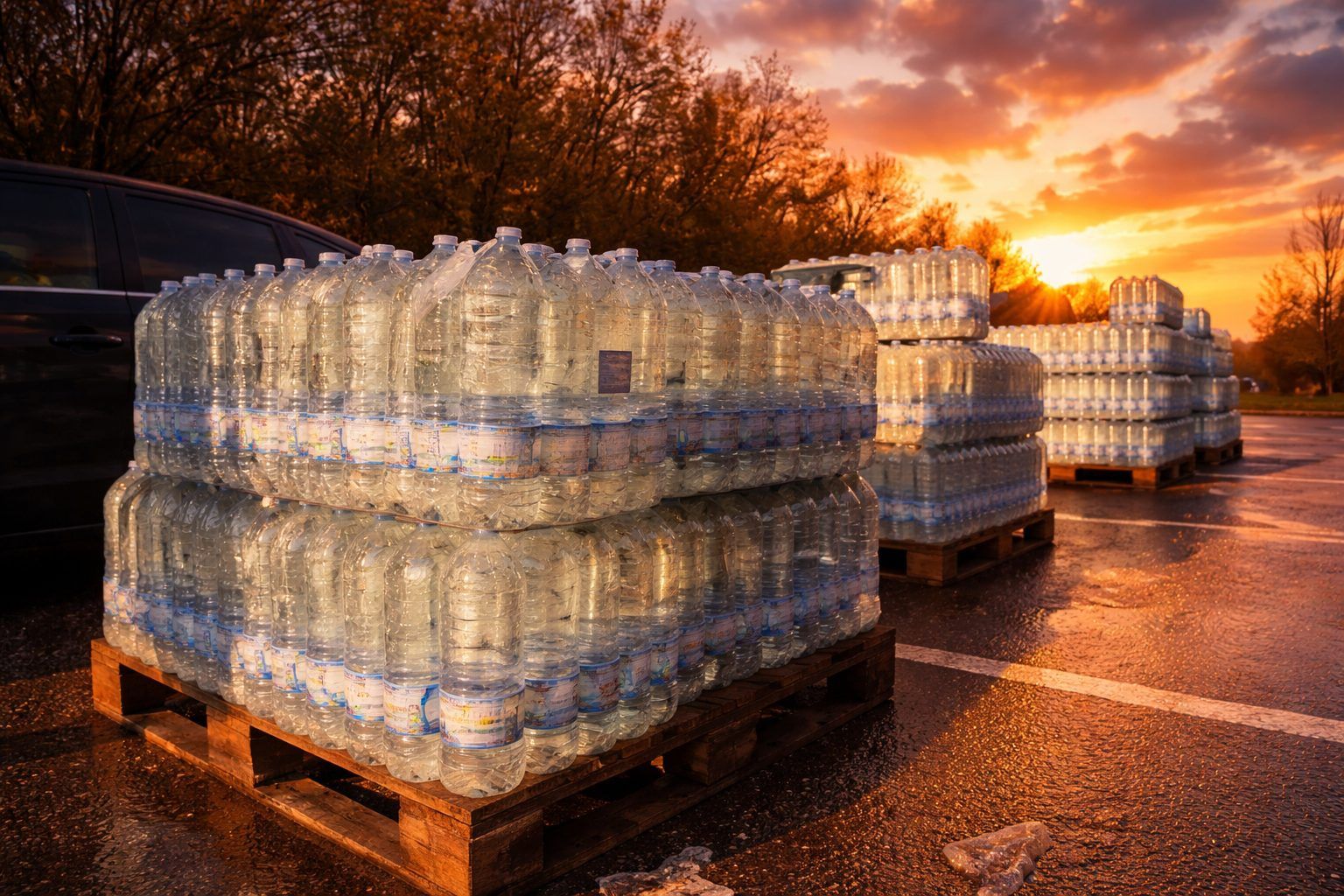
For Tunbridge Wells, the immediate question is whether promised fixes arrive before the next test — and whether tougher enforcement powers follow, after a crisis that forced families and businesses to rely on bottled water in one of the UK’s fastest-growing regions.