
NEW YORK, May 14, 2026, 20:03 EDT
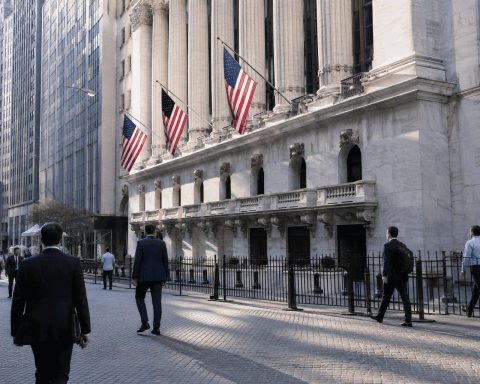
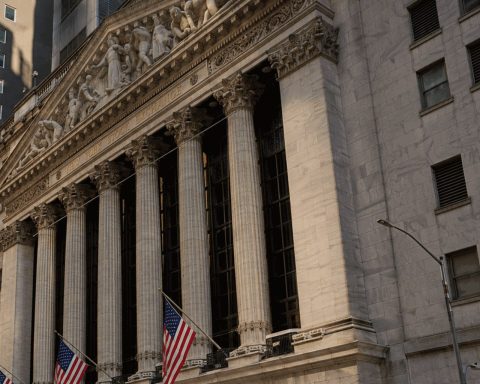
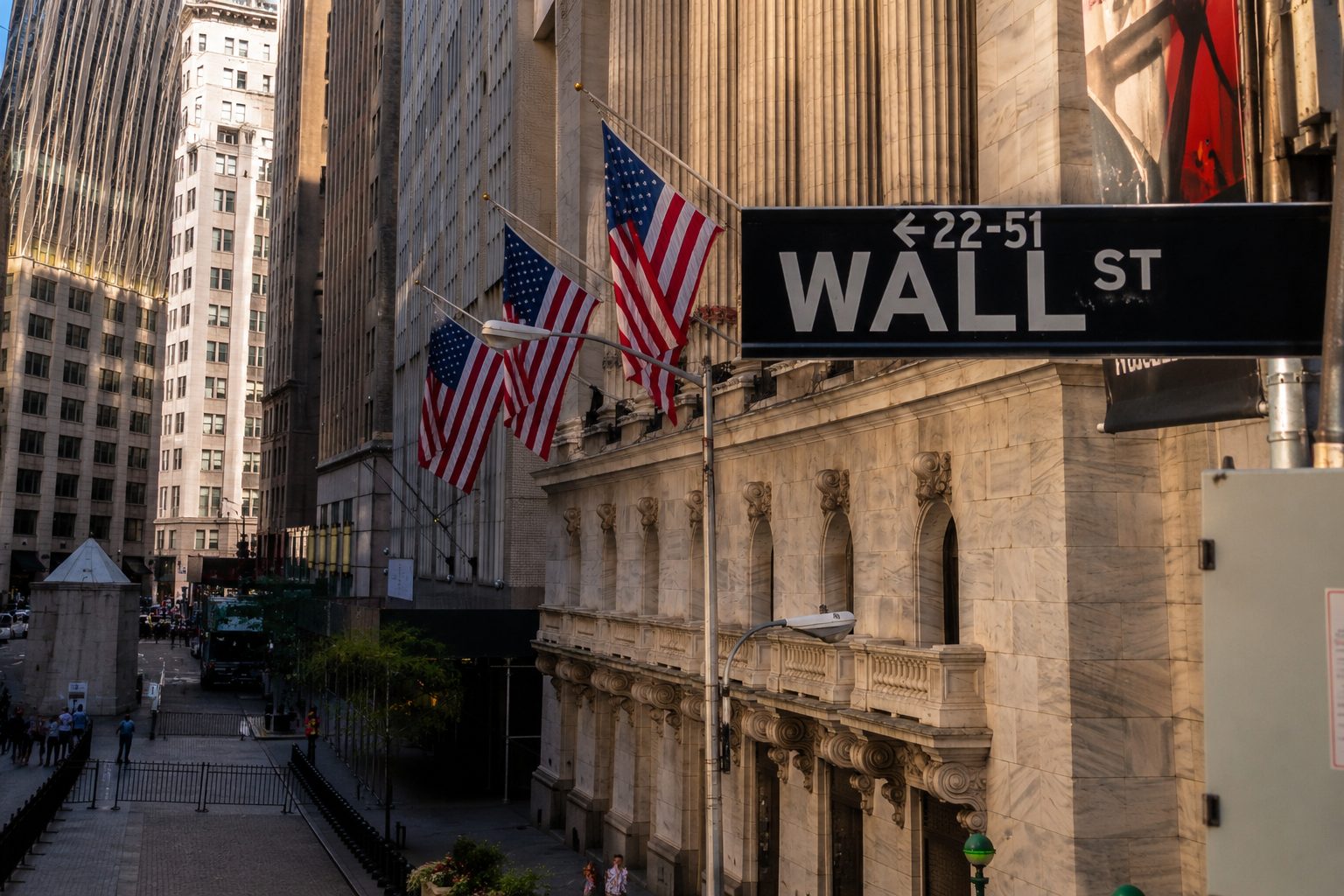
Late Thursday, U.S. stocks hovered close to record levels. The artificial-intelligence surge had already sent the S&P 500 and Nasdaq to new closing highs, while the Dow Jones Industrial Average reclaimed 50,000. In after-hours action, the SPDR S&P 500 ETF Trust, Invesco QQQ Trust, and SPDR Dow Jones Industrial Average ETF all kept their session gains—a signal that momentum stuck around past the bell.
Why this matters right now comes down to this: Wall Street keeps bidding up stocks for AI-related earnings, despite oil-fueled inflation making it tough for the Federal Reserve to defend any rate cuts. Fresh economic data on Thursday propped up the “growth is holding up” narrative, yet it also firmed up bets that rates could remain elevated longer than investors would like.
The Dow finished up 370.26 points, or 0.75%, closing at 50,063.46. The S&P 500 picked up 56.99 points to 7,501.24, up 0.77%. The Nasdaq Composite climbed 232.88 points, or 0.88%, ending at 26,635.22. Tech names led gains across the S&P sectors, while materials ended at the bottom.
Cisco lit up the session, shares moving higher on the back of an upbeat annual revenue outlook. Orders for AI infrastructure from hyperscalers are now forecast to hit $9 billion this fiscal year, well ahead of the earlier $5 billion target. The networking giant also detailed plans to cut almost 4,000 jobs, redirecting spending toward silicon, optics, security, and AI.
Cisco CEO Chuck Robbins told AP the company faces “very strong, broad-based demand.” Shares took off, adding heft to the Dow—where large, price-weighted names like Cisco can swing the index. AP News
Nvidia jumped 4.4% after the U.S. gave the green light for its H200 chips to be sold to Chinese companies. But the move didn’t lift the whole sector—shares of Qualcomm, Intel, Sandisk, and Micron dropped between 3.4% and 6.1%, as traders picked through the AI chip pack, weighing who might come out ahead.
Cerebras Systems surged 68.2% out of the gate in its U.S. trading debut, putting another big AI stamp on the session. “This remains an ‘AI-led market,’” BlackRock strategist Gargi Pal Chaudhuri said, highlighting that earnings have underscored the trend. She pointed to the momentum filtering into semiconductors, infrastructure, and even segments of the industrial economy. AP News
Robert Pavlik, senior portfolio manager over at Dakota Wealth, summed it up bluntly: “You have to be in it to win it.” But even with the rally lifting spirits, he pointed out, investors can’t shake some nerves about just how much higher things have climbed. Reuters
Beijing’s influence loomed large. President Donald Trump sat down with Chinese President Xi Jinping, with trade, Taiwan, and the Strait of Hormuz all on the table. Michael Monaghan, portfolio manager at Founder ETFs, described the talks as “very high stakes meetings,” and said both economies would benefit from cooperation. Reuters
Macro numbers came in all over the map, but nothing there knocked stocks off course. April retail sales were up 0.5%. Jobless claims ticked higher to 211,000—still on the low side. Import prices spiked 1.9%, a move not seen since March 2022. Fuel imports were the standout, soaring 16.3% and keeping inflation conversations focused on energy and disruptions near the Strait of Hormuz.
There’s the rub for markets. Richard de Chazal, macro analyst at William Blair, points to steady consumer spending and a solid labor market—both pressuring the Fed to keep its focus on inflation. That means rates likely stay “higher for longer,” he said. Reuters
Traders in prediction markets weren’t buying the idea of a Fed cut any time soon. Kalshi’s contract for the June Fed meeting pegged “maintain rate” at 97%. Over on Polymarket, “No change” for June sat even higher, at 98%. Polymarket also reflected a 72% probability of no Fed cuts at all in 2026. A basis point equals one-hundredth of a percentage point. Kalshi
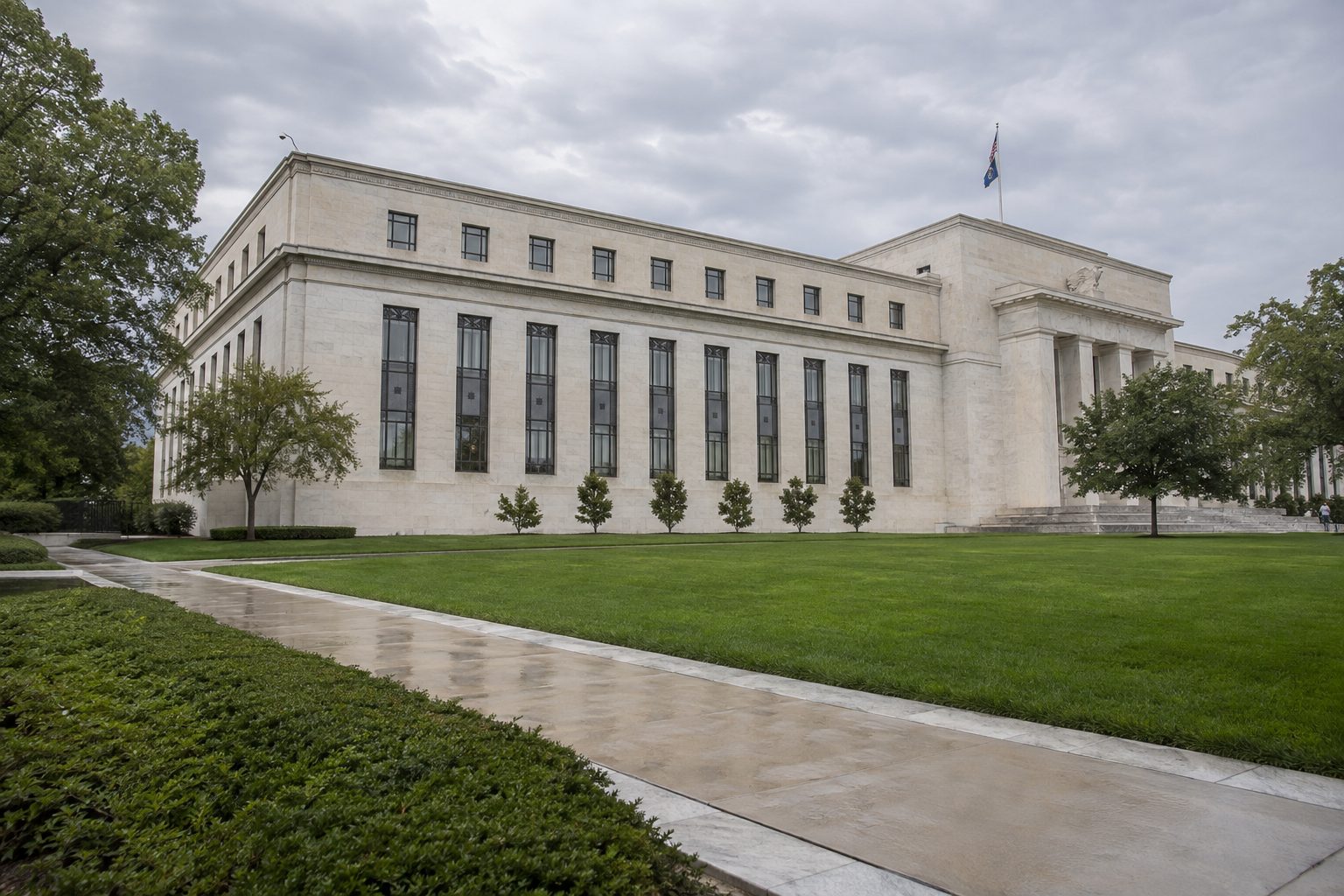
Kansas City Fed President Jeffrey Schmid called inflation the “pressing risk” still facing the economy, despite steady growth and a resilient labor market. Schmid isn’t voting on policy this year, but his comments echoed the Fed’s hawkish wing. Stocks climbed regardless. Reuters
Stocks face a triple whammy if oil, yields, and inflation expectations all tilt the wrong way at once. Plenty of investors are bracing for Treasury yields to stay elevated. Byron Anderson, who runs fixed income at Laffer Tengler Investments, didn’t mince words: “Whatever oil does is where yields are going.” High yields, of course, make pricey equities a tougher sell and push bonds into closer competition with stocks. Reuters
After hours, the tape signaled consolidation—not a pullback. Investors stuck with their bets on AI-driven earnings and a resilient consumer economy. The risk side of the ledger? Still looks the same: renewed energy shocks, a more aggressive Fed, or China talks that don’t move the needle on oil and trade tensions.
Related articles: NASDAQ:CSCO